When eyeing a predator, horses keep a poker face as their hearts race
A study shows that horses can experience high physiological stress during predator encounters without displaying common outward signs of agitation. This disconnect suggests handlers must look beyond physical behavior to accurately assess a horse's internal welfare.
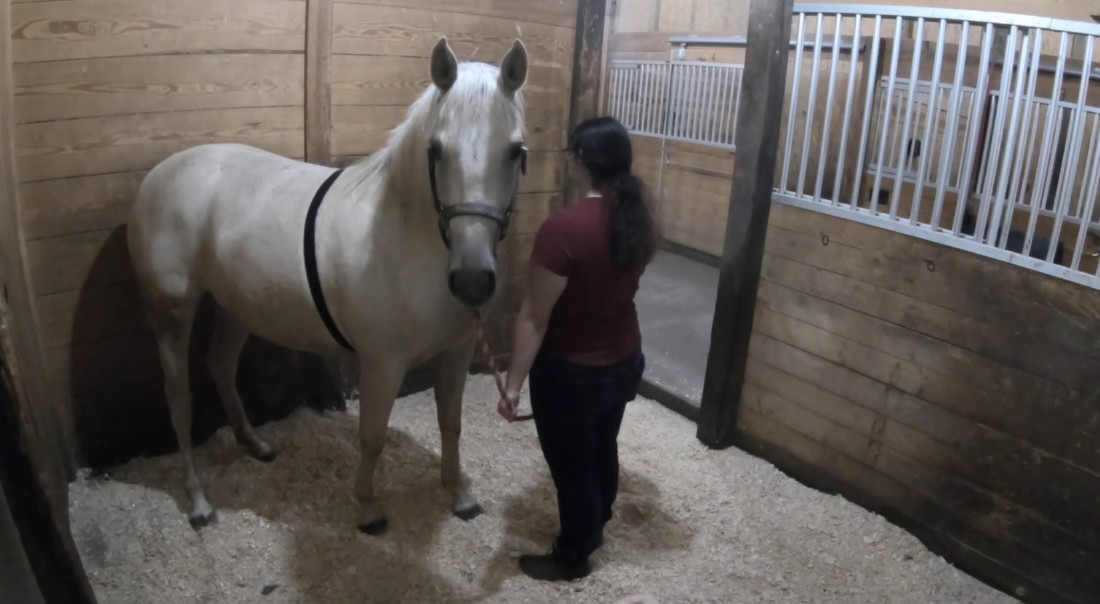
Horses possess an internal mechanism for threat assessment that operates independently of their outward physical behavior, according to new research published in the journal PLOS One. While these animals are recognized for a well-developed fight-or-flight response — often characterized by behaviors such as rearing, bucking, or fleeing — the study reveals that horses can maintain a poker face
while their hearts race during moments of high-stakes evaluation.
The study, conducted at the Ohio State Equine Center, involved observing eighteen horses as they watched silent, short videos of potential threats. When presented with footage of wolves, the horses displayed significant physiological arousal, specifically marked by elevated heart rates. Crucially, these increases occurred whether the wolves were filmed interacting aggressively or simply grooming. Despite this internal stress, the horses remained outwardly still, showing no signs of tail-swishing, head-bobbing, or other common indicators of agitation.
Related media
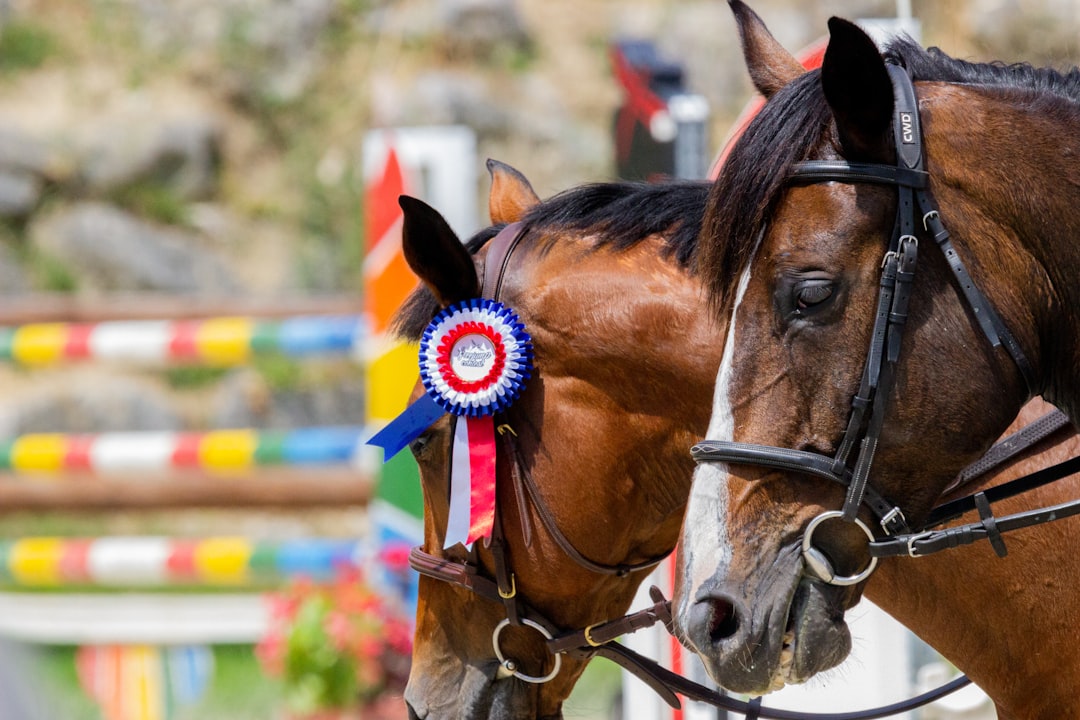
This cognitive restraint
suggests that horses are capable of evaluating a potential danger without immediately triggering a physical fight-or-flight response. Lead author Zeynep Benderlioglu, of The Ohio State University, notes that this disconnect between physiological state and behavior is vital for handlers to understand. Understanding this disconnect is vital for ensuring both rider safety and the welfare of a horse that is processing a threat,
Benderlioglu explained. The study indicates that, particularly for horses of higher social status or male horses, which often play key roles in collective herd decision-making, the internal reaction to perceived danger is more pronounced.
These findings contrast with traditional understandings of horse behavior, where human observers often rely on visible cues to gauge a horse's comfort level. Experts have long debated how to identify when a horse is stressed, especially because some horses exhibit passive
coping strategies. According to Renate Larssen, The Equine Ethologist, the difficulty in identifying these passive stress responses can lead to misunderstandings, where horses are wrongly labeled as stubborn
or lazy
when they are actually experiencing high levels of internal distress.
Interestingly, the recent study found that while viewing neutral control images of wombats, the horses utilized binocular vision to investigate the scene. However, when viewing wolves, they did not display the expected gaze preference often associated with right-brain cognitive assessment, suggesting they were engaging in a rapid, highly focused evaluation.
Key Factors in Horse Threat Assessment
| Observation Category | Behavioral Findings |
|---|---|
| Wolf Stimuli | Heart rate increased; no overt behavioral signs (poker face). |
| Control (Wombat) | Heart rate at baseline; intent, binocular-focused gazing. |
| High-Status Horses | More pronounced heart rate response to predators. |
| Male Horses | Heightened physiological arousal compared to females. |
The implications of this research are significant for the science of animal welfare. Because horses do not always broadcast their stress through movement, riders and handlers may be unaware of the intensity of a horse's internal state. Moving forward, the research suggests that interpreting subtle cues, such as tension in eye muscles, nostril wrinkling, or changes in blink rate, may be more accurate than waiting for larger, more obvious physical manifestations of fear. As the scientific community continues to explore the cognitive capacities of prey animals, this study reinforces the notion that horses are constantly assessing their surroundings with a level of discernment that is often hidden behind a composed exterior.
Archypedia is dedicated to independent, evidence-backed reporting. This briefing was synthesized from primary source reporting, corroborated across independent newsrooms, and verified against our Editorial Standards.
Transparency record
Evidence behind this report
This report synthesizes 6 distinct sources. Open the source ledger below to compare the underlying coverage.
- news.osu.edu
- brightsurf.com
- theequineethologist.substack.com
- en.wikipedia.org
- sciencealert.com
- popsci.com
Prepared under the Archypedia Editorial Policy by the Niko Vale editorial desk profile. AI-assisted tools may support drafting and verification; public accountability remains with Archypedia. Report an error.