Bacteria convert uranium into stable compound
Bacteria convert uranium into stable compound
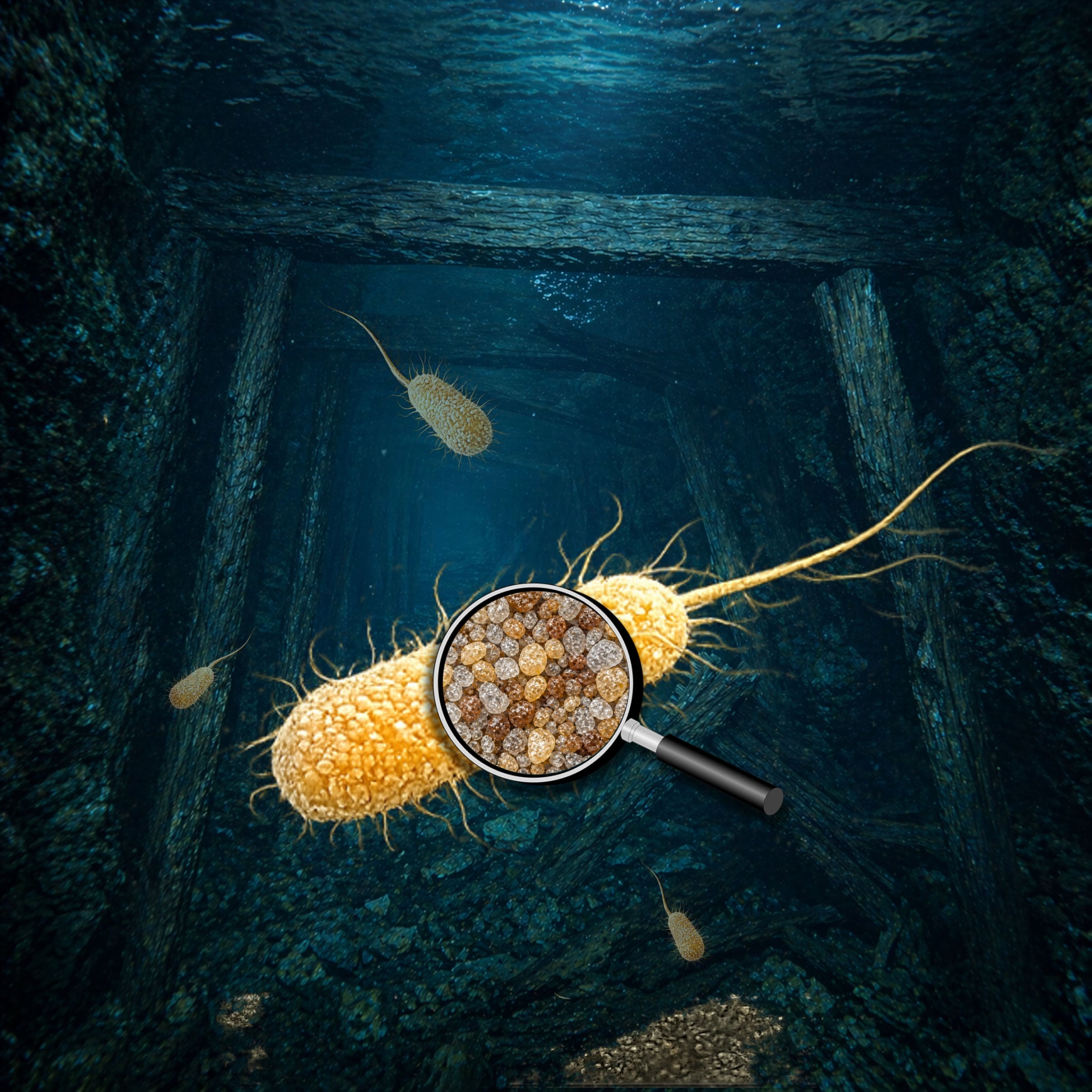
A novel discovery has been made by researchers at the Helmholtz-Zentrum Dresden-Rossendorf (HZDR), in collaboration with Wismut GmbH and scientists from the University of Granada in Spain. They have successfully demonstrated that certain bacteria possess the remarkable ability to convert uranium dissolved in water into a stable chemical compound. This transformation occurs when the bacteria are provided with glycerol as a food source, marking a significant advancement in our understanding of bioremediation processes.
According to Scitechdaily, the researchers used mine water from a flooded uranium mine in the Ore Mountains belonging to Wismut GmbH. In laboratory experiments conducted in an oxygen-free environment, the research team added a specific amount of glycerol to the water samples. Under conditions favorable for bacterial growth, the bacteria accepted glycerol as a source of food. After 130 days, only around five percent of the uranium dissolved in the water remained in the samples.
Related media

The team used advanced microscopic and spectroscopic methods to establish which chemical compounds were involved. The studies comprised experiments at the European Synchrotron Radiation Facility (ESRF) in Grenoble, France, as well as complementary studies at the University of Granada. Initially, the scientists explored the bacterial membrane to establish in which chemical states the uranium was present. In chemical terminology, the term "valency" is used to describe how many "hands" an atom has to hold onto other atoms within a chemical compound.
As reported by Bionity, the researchers found that the pentavalent uranium formed the compound FeU(V)O4 with iron and oxygen. This uranium compound doesn't have a name yet as it is comparatively new. It was first demonstrated in a study in 2020 in which soil samples from parts of Croatia contaminated by uranium ammunition were analyzed. The compound had remained stable for more than 25 years, even under the influence of atmospheric oxygen.
The discovery of bacteria that can convert uranium into a stable compound has significant implications for environmental remediation. As noted by Nachrichten.idw Online, the use of bacteria for bioremediation purposes could provide a cost-effective and eco-friendly solution to mitigate the adverse effects of uranium contamination on ecosystems and human health.
The research team aims to gain further insights into uranium-binding bacteria as well as to better understand the underlying biochemical and geochemical processes. Future studies will focus on the potential of harnessing microbial activity to remediate uranium pollution effectively and sustainably.
The process of converting uranium into a stable compound involves the bacteria using glycerol as a source of carbon and energy. The bacteria then incorporate the uranium into their cell walls, reducing the amount of dissolved uranium in the water. The researchers found that the amount of FeU(V)O4 increased when the dried biomass was exposed to oxygen, suggesting that oxygen did not simply destroy the compound and may instead have supported further formation under those conditions.
The findings of this study have been published in the journal Nature Communications and are relevant to future research on the use of bacteria for environmental remediation. The study's results provide new insights into the potential of bacteria to convert toxic uranium into a stable chemical compound, and highlight the importance of further research into the mechanisms underlying this process.
Archypedia is dedicated to independent, evidence-backed reporting. This briefing was synthesized from primary source reporting, corroborated across independent newsrooms, and verified against our Editorial Standards.
Transparency record
Evidence behind this report
This report synthesizes 7 distinct sources. Open the source ledger below to compare the underlying coverage.
- bionity.com
- scitechdaily.com
- miragenews.com
- nachrichten.idw-online.de
- idw-online.de
- brightsurf.com
- lifetechnology.com
Prepared under the Archypedia Editorial Policy by the Niko Vale editorial desk profile. AI-assisted tools may support drafting and verification; public accountability remains with Archypedia. Report an error.