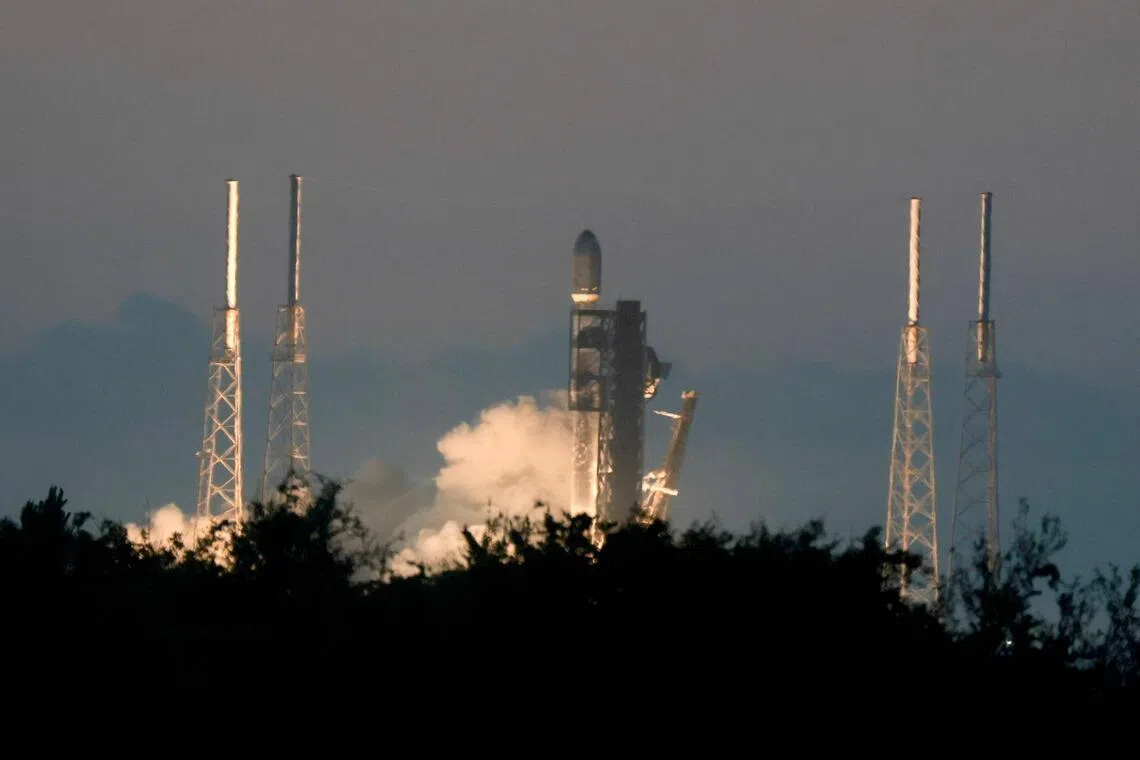
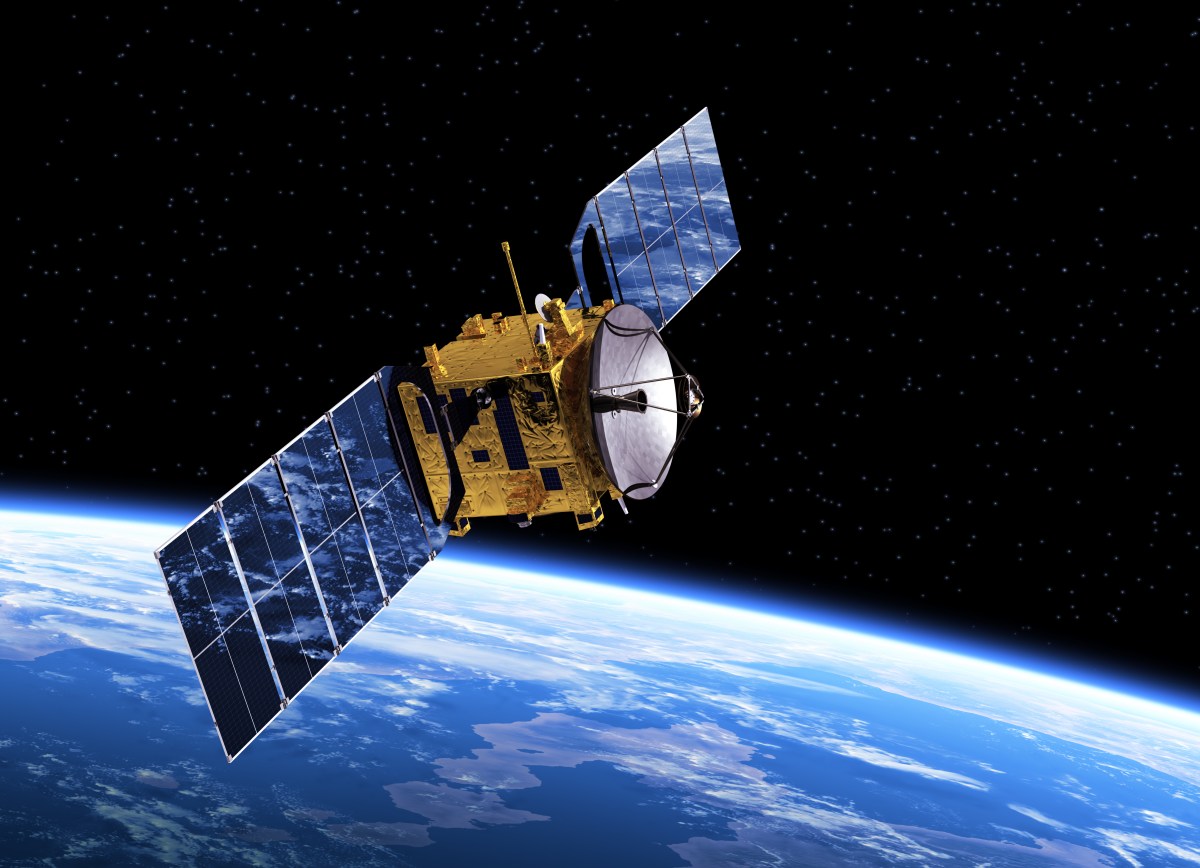
AI models proposed to help monitor and maintain growing satellite fleets
With satellite counts projected to reach 100,000 this decade, engineers are developing autonomous systems to handle traffic management and maintenance. These technologies address risks like collision density and the limitations of human oversight.
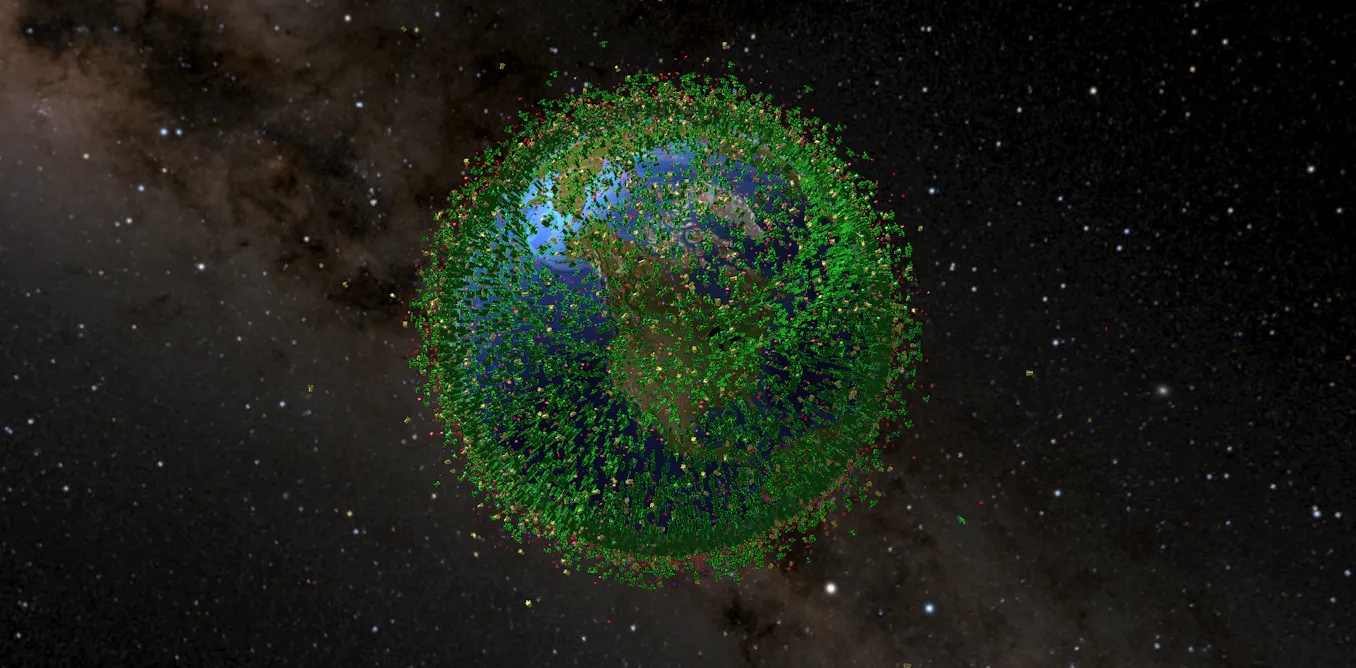
As of Tuesday, 21 July 2026, Earth’s orbital environment faces a critical juncture. With approximately 16,000 satellites already circling the planet, the rapid proliferation of megaconstellations has brought the industry to a point where traditional human-led monitoring methods are struggling to keep pace. To address these mounting logistical and safety challenges, researchers are increasingly turning to advanced computational models and autonomous systems to maintain the health and coordination of orbital fleets.
The urgency of this transition is driven by the sheer scale of future growth. Industry forecasts suggest that the number of satellites in low Earth orbit (LEO) could climb to between 60,000 and 100,000 within this decade. This expansion threatens to overwhelm existing traffic management capabilities. Recent scientific analysis indicates that the risk of collision does not scale linearly; instead, doubling the number of satellites can multiply the collision risk many times over. In crowded "hot zones" between 400 and 800 kilometers above Earth, some spacecraft already perform more than ten collision-avoidance maneuvers per month—a threshold researchers identify as a potential limit for maintaining operational reliability.
Related media


Predictive Maintenance and Distributed Intelligence
To mitigate the risk of mission-threatening failures, engineers are developing AI-driven predictive maintenance systems. Current satellite health monitoring relies on ground-based teams analyzing telemetry data to detect battery degradation or electronic wear. However, as constellations grow to thousands of units, human oversight capacity becomes a bottleneck.
Innovative approaches like federated learning offer a path forward. By allowing individual satellites to process data onboard and share diagnostic insights without transmitting raw telemetry back to Earth, networks can enable continuous, autonomous self-monitoring. This method mirrors predictive maintenance protocols used in industries such as wind energy and aviation, identifying subtle patterns of failure before they manifest as critical defects.
The Challenge of Orbital Capacity
The debate surrounding orbital sustainability has intensified as private firms propose increasingly ambitious projects. In January 2026, one filing reached the Federal Communications Commission (FCC) with a proposal for a megaconstellation of up to one million satellites designed to power data centers in space. While proponents argue that off-planet processing offers a clean solution to the massive energy and cooling demands of terrestrial data centers, critics highlight that such density poses existential risks to astronomical observation and increases the probability of Kessler syndrome—a runaway chain reaction of debris collisions.
Operational Risks and Regulatory Oversight
As the industry moves toward the early 2030s, the following developments remain focal points for policymakers and engineers:
- Regulatory Decisions: The FCC continues to review pending filings for large-scale constellations, with calls for more stringent environmental and light-pollution standards.
- Autonomous Safety: The integration of AI into mission-critical systems remains under testing, with experts stressing that any autonomous decision-making must retain human oversight.
While the goal of making satellites "intelligent" enough to manage their own conditions offers a promising buffer against the complexities of the new space age, the fundamental tension between rapid expansion and orbital safety remains unresolved. As international institutions debate the necessity of unified space traffic management, the question persists: can current frameworks adapt fast enough to prevent the transformation of the night sky into an industrial landscape?
Archypedia is dedicated to independent, evidence-backed reporting. This briefing was synthesized from primary source reporting, corroborated across independent newsrooms, and verified against our Editorial Standards.
Transparency record
Evidence behind this report
This report synthesizes 9 distinct sources. Open the source ledger below to compare the underlying coverage.
- thebrighterside.news
- theconversation.com
- stuff.co.za
- sentinelowl.blogspot.com
- earthsky.org
- tech.yahoo.com
- gizmodo.com
- linkedin.com
- mynews13.com
Prepared under the Archypedia Editorial Policy by the Niko Vale editorial desk profile. AI-assisted tools may support drafting and verification; public accountability remains with Archypedia. Report an error.