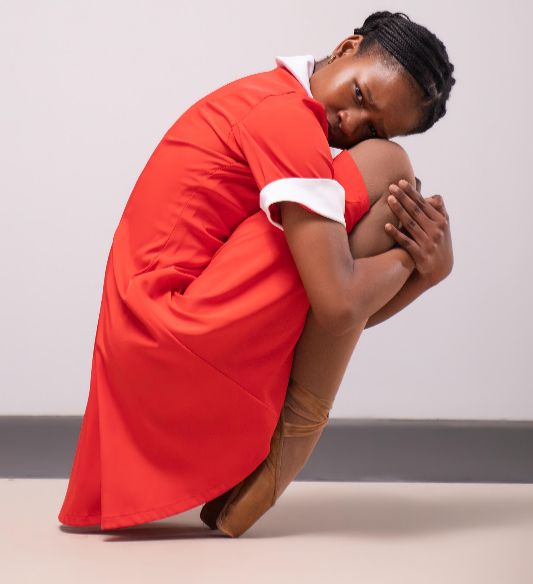
Student Dancer Secures Principal Role in Michael Jackson Ballet Production
A schoolgirl has been cast in the principal role of a Michael Jackson ballet production, achieving a professional milestone rarely seen for a student dancer. According to casting reports, the selection marks a significant intersection of classical dance training and contemporary pop culture, as the production seeks to translate the rhythmic complexity of the “King of Pop” into a formal balletic structure.
How a Student Dancer Earned the Principal Role
The casting of a school-aged dancer as the lead in a professional production deviates from standard ballet traditions, where principal roles are typically reserved for seasoned professionals with years of company experience. Production sources indicate that the selection process focused on a combination of technical precision and the ability to embody the specific energy associated with Michael Jackson’s performance style.
Landing the lead role requires a mastery of both the fluidity of classical ballet and the percussive, sharp movements characteristic of Jackson’s choreography. The dancer’s ability to bridge these two disparate styles was a primary factor in the decision. According to the production’s artistic direction, the role demands an athlete’s stamina and an artist’s emotional range, qualities the young dancer demonstrated during the audition process.
Key requirements for the role included:
- Technical Proficiency: Mastery of pointe work and classical alignment.
- Rhythmic Versatility: The ability to syncopate movements to pop arrangements.
- Stage Presence: The capacity to command a professional stage despite a lack of professional tenure.
- Adaptability: Integrating the “MJ” signature moves—such as the moonwalk and pelvic thrusts—into a balletic framework.
The Artistic Fusion of Michael Jackson and Classical Ballet
The production is not a standard tribute act but a formal ballet that utilizes Michael Jackson’s discography as its emotional and rhythmic foundation. This creates a technical challenge for the performers. Classical ballet emphasizes verticality, lightness, and an illusion of effortless floating. In contrast, Michael Jackson’s style was grounded, rhythmic, and highly percussive.
The choreography seeks to find a middle ground. For example, the “moonwalk” is reimagined through the lens of balletic glissades and precise footwork. The production aims to maintain the integrity of the ballet form while capturing the electric essence of the music. This synthesis requires the principal dancer to switch rapidly between the ethereal quality of a ballerina and the sharp, isolated movements of a pop icon.
| Feature | Classical Ballet Standard | MJ-Inspired Ballet Adaptation |
|---|---|---|
| Movement Base | Upward, ethereal, fluid | Grounded, rhythmic, isolated |
| Footwork | Pointe work, turnout | Sliding, gliding, percussive taps |
| Rhythm | Melodic, orchestral timing | Syncopated, heavy bass-driven beats |
| Focus | Narrative storytelling/Grace | Energy, charisma, precision |
Why the Casting of a Schoolgirl is Significant
In the professional dance world, the hierarchy is strict. Dancers typically move from the corps de ballet to soloist and finally to principal. Jumping directly into a principal role as a student is an anomaly. This decision suggests a shift in how production houses view “talent” versus “tenure.”
Industry analysts suggest that the decision to cast a younger dancer may be tied to the specific energy required for the role. The athleticism and flexibility of a young dancer can often bring a freshness to a production that older, more rigid professionals might struggle to emulate. Furthermore, the “schoolgirl lands principal role in Michael Jackson ballet production – IOL” narrative highlights a growing trend of youth prodigies breaking into professional spaces earlier than previous generations.
“The technical gap between elite students and professional company members has narrowed due to early access to global training standards and digital choreography archives,” according to dance education observers.
This casting also reflects the broader appeal of the production. By placing a young dancer in the lead, the production bridges the gap between the nostalgia of Michael Jackson’s era and the aspirations of the current generation of dancers.
The Rigors of Training for a Principal Role
Preparing for a principal role while maintaining a school schedule requires an intense level of discipline. A typical day for a dancer in this position involves several hours of technical class, followed by hours of specific choreography rehearsals.
The training for this specific production involves three distinct layers:
- Classical Maintenance: Daily barre and center work to ensure the dancer does not lose their balletic form while learning pop movements.
- Stylistic Integration: Studying archival footage of Michael Jackson to understand the “weight” and “snap” of his movements.
- Endurance Conditioning: Principal roles involve the most stage time and the most physically demanding sequences, requiring high-intensity interval training (HIIT) and cardiovascular work.
The mental toll is equally significant. The pressure of carrying a professional production rests on the principal dancer’s shoulders. For a student, this means balancing academic responsibilities with the expectations of a professional company, a feat that requires significant support from both educators and family.
Implications for the Future of Ballet
The success of this production could signal a shift in how ballet companies approach casting and repertoire. For decades, ballet has been criticized for being exclusionary or overly rigid. Integrating pop icons like Michael Jackson and casting based on raw ability rather than seniority could open the door for more diverse and daring productions.
This approach aligns with the “contemporary ballet” movement, which seeks to make the art form more accessible to the general public. By utilizing music that is globally recognized, the production attracts audiences who might not typically attend a classical ballet performance. The use of a young principal dancer further emphasizes this move toward a more dynamic, less traditionalist image of the art form.
Potential long-term effects include:
- Diversification of Repertoire: More productions blending classical dance with pop, rock, or electronic music.
- Accelerated Career Paths: A shift toward merit-based casting for youth who demonstrate professional-level skill.
- Increased Audience Engagement: Attracting younger demographics through the intersection of high art and pop culture.
Addressing Common Misconceptions About Youth Casting
Critics often argue that casting young dancers in principal roles is a marketing gimmick or that the dancers lack the “emotional maturity” to lead a show. However, reports from the rehearsal studio suggest otherwise. The ability to convey emotion through movement—the core of ballet—is not always tied to chronological age.
Moreover, some believe that incorporating pop movements “dilutes” the art of ballet. On the contrary, integrating the percussive nature of Michael Jackson’s style actually requires more control and strength than some traditional roles. The dancer must maintain a perfectly aligned spine and turned-out hips while executing sharp, isolated contractions of the torso—a combination that is physically exhausting and technically complex.
Another common misconception is that the dancer is simply “mimicking” Jackson. The production’s goal is not mimicry but translation. The dancer is not trying to be Michael Jackson; she is using the language of ballet to interpret the energy and rhythm of his work.
The Role of Mentorship in Professional Transitions
For a student to succeed in a principal role, a robust support system is essential. This includes a mentor who can guide them through the psychological pressures of professional performance. In this production, the interaction between the seasoned choreographers and the young lead is critical.
Professional mentorship in this context involves:
- Psychological Coaching: Managing performance anxiety and the scrutiny of critics.
- Technical Refinement: Ensuring that the “pop” elements do not degrade the dancer’s classical technique.
- Professionalism Training: Learning the etiquette of a professional company, from dress rehearsals to curtain calls.
This transition from student to professional is often the most precarious stage of a dancer’s career. The success of this role could serve as a springboard, potentially leading to scholarship opportunities or contracts with major international ballet companies.
Comparing Traditional and Modern Casting Models
The contrast between the traditional “company ladder” and the modern “talent-first” approach is evident in this casting choice. Historically, a dancer would spend years in the corps de ballet, performing in the background, before being considered for a soloist role. This ensured that the dancer was fully acclimated to the company’s style and the pressures of the stage.
The modern model, as seen in the case of this Michael Jackson production, prioritizes a specific “fit” for the role. If a dancer possesses the exact combination of skill and charisma required for a specific concept, the traditional timeline is bypassed. This allows for more innovative casting and can lead to performances that feel more organic and energetic.
While the traditional model provides stability and a guaranteed level of experience, the modern model allows for the discovery of “outlier” talents who can push the boundaries of the art form. The result is a more unpredictable but often more exciting theatrical experience.
Frequently Asked Questions
What is a principal role in a ballet production?
The principal role is the highest rank in a ballet company. The principal dancer is the lead performer, responsible for the most technically demanding choreography and the primary narrative arc of the performance. They are the focal point of the production.
How is Michael Jackson’s style integrated into classical ballet?
The production translates Jackson’s signature percussive and grounded movements into balletic terms. This involves blending the fluid, extended lines of ballet with the sharp, isolated contractions and rhythmic footwork (like the moonwalk) characteristic of Jackson’s style.
Is it common for school-aged dancers to be cast as principals?
No, it is highly uncommon. Most principal dancers are professionals with years of experience in a company. Casting a student in this role is a rare occurrence that usually happens when a dancer possesses an exceptional level of technical skill and a specific stylistic fit for the role.
Does this production change the traditional rules of ballet?
While it doesn’t rewrite the rules of classical technique, it challenges the traditions of casting and repertoire. It demonstrates that ballet can be modernized by incorporating pop culture and that talent can be recognized and utilized regardless of professional tenure.
What are the physical demands of this specific role?
The role requires a hybrid of classical ballet strength (for pointe work and jumps) and pop-dance agility (for isolations and rhythmic precision). The principal dancer must possess immense cardiovascular endurance to maintain this high energy throughout the performance.
