Thai Princess Bajrakitiyabha Mahidol’s Death Raises Questions About Royal Succession – The Straits Times
Princess Bajrakitiyabha Mahidol of Thailand has died at age 47 after spending more than three years in a coma, according to the BBC. Her passing has triggered a 15-day national mourning period and, as reported by The Straits Times, raises critical questions regarding the future of the Thai royal succession.
Why does Princess Bajrakitiyabha Mahidol’s death raise questions about royal succession?
The death of Princess Bajrakitiyabha creates a vacuum in the immediate line of succession for the Thai monarchy. According to The Straits Times, her passing forces a reconsideration of who will eventually succeed King Maha Vajiralongkorn. As the eldest daughter of the King, the Princess was a highly visible member of the royal family and a key link in the dynastic chain.
The Thai monarchy operates under strict succession laws that prioritize male heirs, though the King possesses the authority to appoint a successor. The loss of a senior royal figure often leads to internal shifts in power and public speculation about the stability of the royal line. Because the Princess had been a prominent public face of the monarchy, her absence removes a primary candidate for leadership roles within the royal household.
Key implications of this vacancy include:
- Succession Uncertainty: The absence of a clear, singular heir-apparent can lead to political instability.
- Power Shifts: Other members of the royal family may see their influence increase or decrease based on the King’s subsequent appointments.
- Public Perception: The monarchy’s ability to manage a transition of power is often viewed as a barometer for the country’s overall political stability.
What were the circumstances leading to the death of Princess Bajrakitiyabha?
The Princess died after a prolonged medical crisis that kept her unconscious for a significant period. The BBC reports that she had been in a coma for more than three years prior to her death. While the specific cause of the initial collapse was handled with high levels of royal secrecy, the length of her incapacitation underscored the severity of her condition.
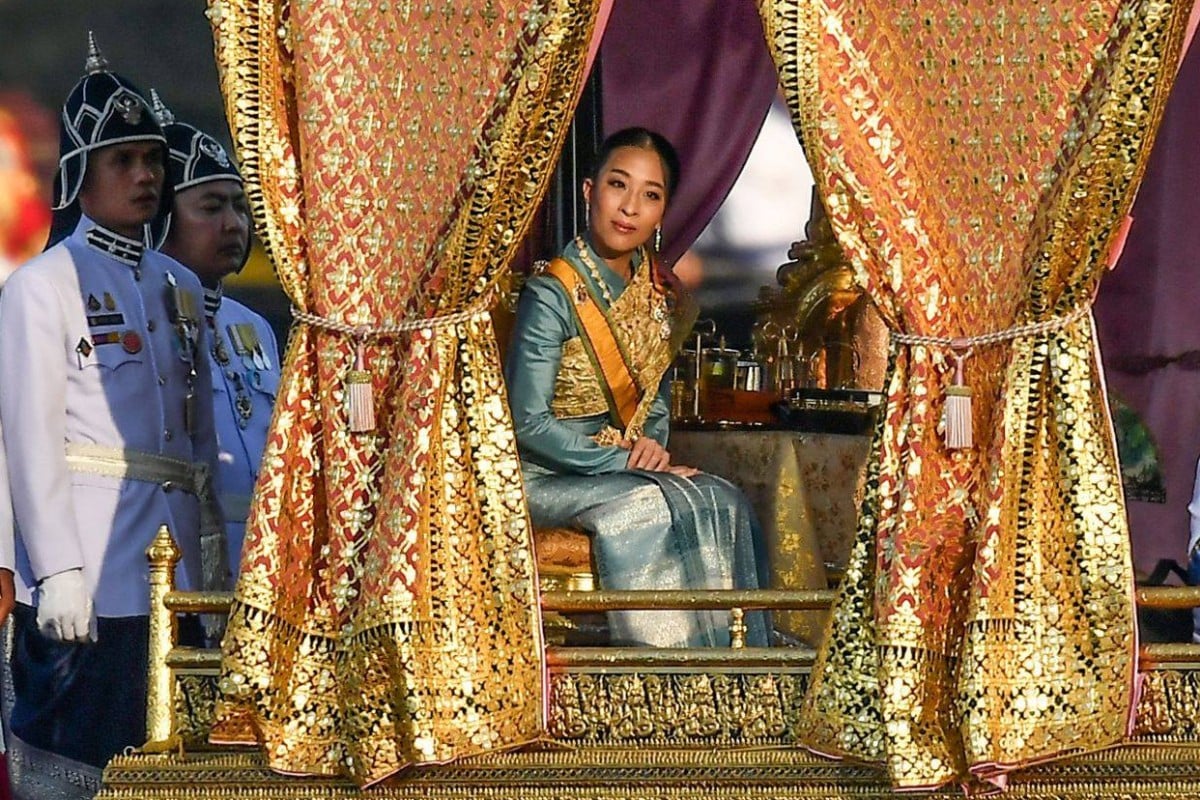
The transition from a coma to death marks the end of a period of intense uncertainty for the Thai palace. For years, official updates regarding her health were sparse, leading to widespread speculation both within Thailand and across Southeast Asia. Her death at 47 ends a long struggle to regain consciousness, leaving the royal family and the public to navigate the loss of a figure who had been active in law and diplomacy.
“Thai Princess Bajrakitiyabha dies after more than three years in coma,” reports the BBC, confirming the end of the royal’s medical battle.
How is Thailand observing the mourning period for ‘Princess Bha’?
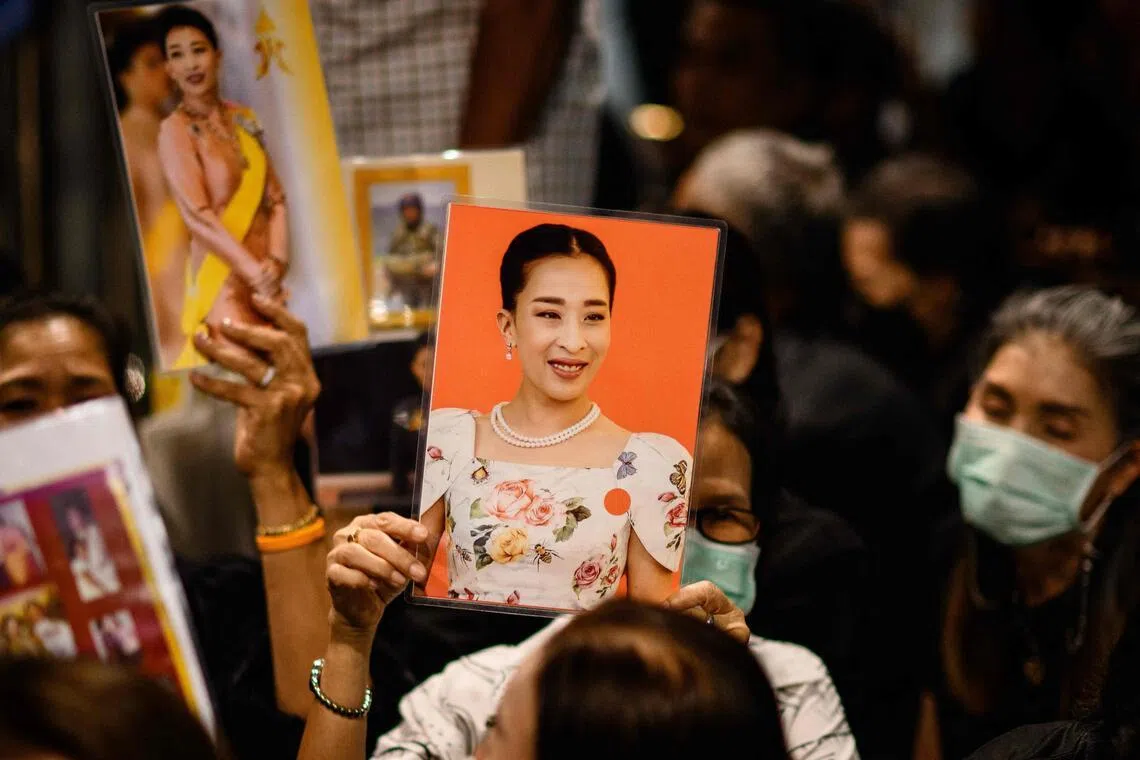
Thailand has entered a formal state of grief, with the South China Morning Post reporting that the country is observing 15 days of mourning for the woman affectionately known as “Princess Bha.” This period is characterized by specific cultural and state protocols designed to honor the deceased royal.
Public displays of grief have been concentrated around the royal palace. According to CNA, mourners have gathered in significant numbers at the palace grounds, waiting for the princess’ body to arrive for official rites. This gathering reflects the Princess’ popularity and the deep cultural reverence for the monarchy in Thailand.
The 15-day mourning period typically involves:
- Dress Codes: Government officials and citizens often wear black or white to signal their grief.
- State Ceremonies: A series of royal cremation rites and Buddhist prayers are standard for members of the royal house.
- Public Tributes: The establishment of mourning books and floral tribute areas at key landmarks.
| Detail | Information | Source |
|---|---|---|
| Age at Death | 47 | South China Morning Post |
| Condition Prior to Death | Coma (3+ years) | BBC |
| Mourning Duration | 15 Days | South China Morning Post |
| Primary Concern | Royal Succession | The Straits Times |
How have international partners responded to the royal death?
The death of Princess Bajrakitiyabha has elicited diplomatic responses from neighboring nations, highlighting her role in regional relations. The Straits Times reports that Singapore has expressed that it is “deeply saddened” by the death of the Princess.
Such diplomatic condolences are more than mere formality; they signal the importance of the Thai monarchy in maintaining stability within the Association of Southeast Asian Nations (ASEAN). The Princess’ background in law and her previous roles in the Thai justice system made her a point of contact for international legal and diplomatic cooperation.
The reaction from Singapore suggests a recognition of the Princess’ personal and professional contributions to the relationship between the two nations. As Thailand navigates the immediate grief and the subsequent questions about succession, the support of regional neighbors serves as a stabilizing external factor.
The Princess’ Professional Legacy
Beyond her royal title, Princess Bajrakitiyabha was known for her work as a prosecutor and her efforts to modernize the Thai legal system. Her academic background and professional drive made her a unique figure in the royal family, often bridging the gap between traditional royal duties and modern state administration. This professional identity is a significant part of why her death is viewed not just as a family loss, but as a loss of a skilled state actor.
:max_bytes(150000):strip_icc():focal(749x0:751x2)/Princess-Bajrakitiyabha-Mahido-3-081925-13a7c98cb9bd45029aa9190b11a6f59f.jpg "The Princess' Professional Legacy")
For more on the regional dynamics of Southeast Asian leadership, see a related explainer on ASEAN diplomatic protocols.
Comparing the Framing of the News Across Outlets
Different news organizations have emphasized different aspects of the Princess’ death, providing a broader picture of the event’s impact.
The BBC and the South China Morning Post focused heavily on the human and temporal elements—specifically the three-year coma and the 15-day mourning period. Their reporting centers on the tragedy of a life cut short at 47 and the cultural rituals of grief.
In contrast, The Straits Times shifted the focus toward political and systemic implications. By framing the story around how the death “raises questions about royal succession,” they highlighted the institutional instability that can follow the loss of a senior royal. Meanwhile, CNA provided on-the-ground perspective, focusing on the physical gathering of mourners at the palace, emphasizing the emotional connection between the people and the monarchy.
This divergence shows that while the event is a personal tragedy for the royal family, it is simultaneously a political event for the state and a cultural event for the citizens.
Common Misconceptions About Thai Royal Succession
The reporting on this event often leads to questions about how the Thai throne is inherited. There are several common misunderstandings that require clarification based on the current political structure of Thailand.
Misconception 1: Succession is Automatic
Many believe that the eldest child automatically becomes the next monarch. In Thailand, while tradition plays a role, the King has significant power to name his successor. The death of Princess Bajrakitiyabha is significant precisely because it removes a viable option that the King may have considered, regardless of traditional birth order.
Misconception 2: Only Males Can Inherit
While the Palace Law on Succession has historically favored males, the King’s prerogative to appoint a successor provides a mechanism for flexibility. The Princess’ prominence suggested she was a central figure in the royal hierarchy, making her death a disruption to a potential path toward a more inclusive succession.
Misconception 3: The Mourning Period is Purely Symbolic
The 15-day mourning period reported by the South China Morning Post is not merely symbolic. In Thailand, royal mourning periods are often accompanied by strict government directives and can influence everything from public events to the timing of political announcements. It is a period of state-mandated reflection and stability.
What to monitor in the coming weeks
As the 15-day mourning period concludes, the focus will likely shift from grief to the administrative and political future of the monarchy. Observers will be watching for any official decrees from King Maha Vajiralongkorn regarding the reorganization of royal duties or the naming of a new heir-apparent.
The movements of other royal family members will also be scrutinized. Any increase in the public visibility of other princes or princesses may signal a shift in the succession line. Additionally, the way the Thai government manages the transition and the public’s reaction to the new hierarchy will be a key indicator of the country’s internal stability.
Further analysis may be needed on the legal frameworks governing the royal house to understand how the King might exercise his power to fill the vacancy left by the Princess.
FAQ: Understanding the Death of Princess Bajrakitiyabha
Who was Princess Bajrakitiyabha Mahidol?
She was the eldest daughter of King Maha Vajiralongkorn of Thailand, a trained lawyer, and a prominent member of the royal family known for her work in the Thai justice system. She died at age 47.
How long was the Princess incapacitated before her death?
According to the BBC, Princess Bajrakitiyabha had been in a coma for more than three years before she passed away.
How long is the official mourning period in Thailand?
The South China Morning Post reports that Thailand is observing a 15-day period of mourning for the Princess.
Why is her death considered a problem for royal succession?
As reported by The Straits Times, her death removes a key figure from the line of succession, creating uncertainty about who will eventually succeed the current King.
What is the public reaction in Thailand?
CNA reports that mourners have gathered at the royal palace to pay their respects and await the arrival of the Princess’ body.
