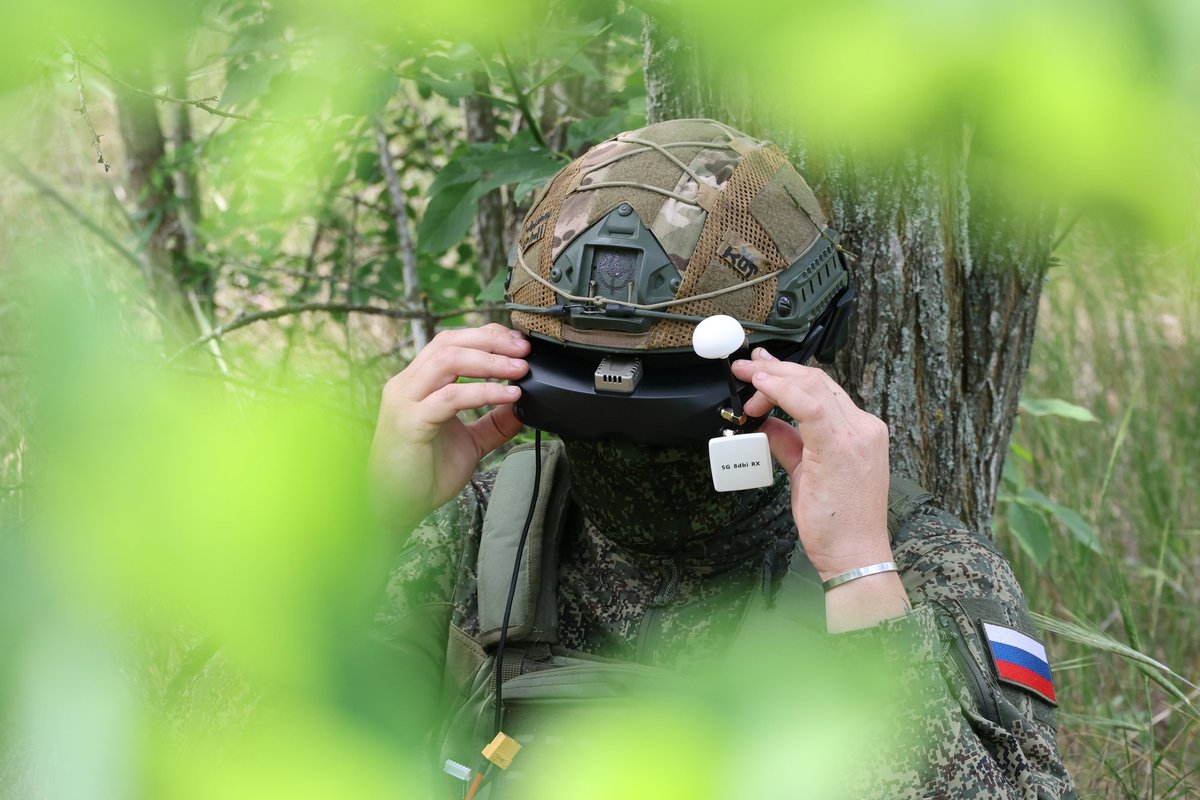
Russia is constructing military bases near NATO‘s northeastern flank and is expected to station 115,000 soldiers along the borders of Northern Europe and the Baltic states following the war in Ukraine, according to local media reports. The troop buildup coincides with a coordinated effort by Baltic and Northern European nations to strengthen their shared border protections.
- Expected Troop Presence: 115,000 Russian soldiers.
- Primary Target Area: NATO’s northeastern flank, specifically bordering Baltic and Northern European states.
- Key Actions: Construction of new military bases and regional agreements to boost border security.
- Strategic Focus: Potential isolation of the Kaliningrad exclave and vulnerability of St. Petersburg.
Why is Russia increasing its military presence in the north?
Russian forces are expanding their infrastructure by establishing new military bases in proximity to the northeastern borders of the North Atlantic Treaty Organization (NATO). According to reports from Lrytas, this strategic shift involves the anticipated deployment of 115,000 Russian troops to the borders of Northern Europe and the Baltic states once the conflict in Ukraine concludes.

Internal rhetoric within Russia reflects a shift toward total mobilization. Local reports indicate a growing sentiment that the nation must be restructured for permanent conflict.
“The whole country must be turned into a military camp.”
Russian internal reports
How are Baltic and Northern European nations responding?
In response to the Russian buildup, representatives from the Baltic and Northern European countries have reached an agreement to intensify border security measures. According to tv3.lt, these nations have determined that strengthening the physical and operational protection of their borders is a necessity to counter the increasing Russian military footprint.
What are the strategic implications for Kaliningrad and St. Petersburg?
The regional military tension has shifted focus toward Russia’s strategic vulnerabilities. Analysis cited by Mokslo ir technologijų pasaulis suggests that the total isolation of Kaliningrad—a Russian exclave situated between Poland and Lithuania—and potential strikes against St. Petersburg are now considered achievable objectives for regional defenders.
The ability to sever the connection to Kaliningrad and threaten the security of St. Petersburg serves as a strategic counterweight to the Russian troop concentrations along the northeastern flank.
