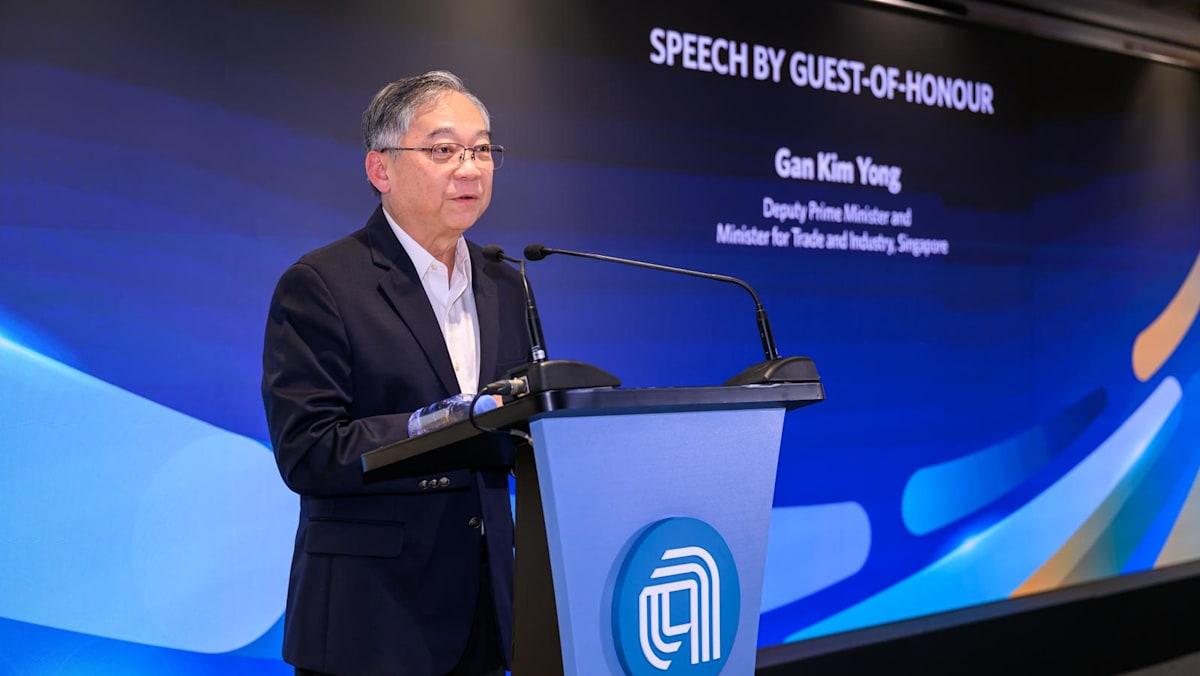
Applied Materials Expands Singapore Operations, Plans 1,000 Jobs Amid AI Chip Demand
Applied Materials is investing between US$500 million and US$600 million to establish a new manufacturing campus in Tampines, Singapore, to scale production of equipment essential for AI chip fabrication. The expansion aims to create 1,000 new jobs and includes strategic talent partnerships with the National University of Singapore (NUS) and the Singapore Institute of Technology (SIT), according to reports from CNA, The Business Times, and other regional outlets.
What is the scale of the Applied Materials expansion in Singapore?
The US-based semiconductor equipment giant is significantly increasing its physical and operational footprint in Singapore. The center of this expansion is a new manufacturing campus located in Tampines. While the reported investment figures vary slightly across news outlets, the scale indicates a massive commitment to the region’s semiconductor ecosystem.
According to The Business Times and Nikkei Asia, the investment for the new campus stands at US$500 million. However, AsiaOne reports the investment figure as US$600 million. This discrepancy suggests a range of investment that likely covers both the physical infrastructure and the initial operational scaling of the facility.
Beyond the capital expenditure, the company is focusing on human capital. Applied Materials plans to add 1,000 jobs to its Singapore workforce. These roles are intended to support the increased manufacturing capacity and the technical demands of producing next-generation chipmaking gear.
| Metric | Reported Detail | Source(s) |
|---|---|---|
| Investment Amount | US$500 million to US$600 million | The Business Times, Nikkei Asia, AsiaOne |
| Job Creation | 1,000 new positions | CNA, AsiaOne |
| Location | Tampines, Singapore | AsiaOne |
| Academic Partners | NUS and SIT | The Edge Singapore |
Why is AI chip demand driving this investment?
The surge in artificial intelligence (AI) applications—from large language models to autonomous systems—has created an unprecedented demand for high-performance semiconductors. Unlike traditional processors, AI chips require more complex architectures and advanced materials to handle massive data workloads and power efficiency requirements.
Applied Materials does not make the chips themselves; it produces the machinery (Wafer Fabrication Equipment, or WFE) that chipmakers use to build them. To produce AI-capable chips, manufacturers need advanced deposition, etching, and implanting tools. The Tampines campus is designed to meet the rising global demand for this specific hardware.
Industry analysts note that the “AI gold rush” has shifted the bottleneck from chip design to manufacturing capacity. By expanding its Singapore operations, Applied Materials is positioning itself to supply the tools necessary for foundries to increase their output of AI-optimized silicon. This move ensures that the supply chain for AI hardware remains resilient against regional disruptions.
How is Applied Materials securing the necessary technical talent?
A primary challenge in the semiconductor industry is the global shortage of skilled engineers and technicians. To mitigate this, Applied Materials is integrating its expansion with Singapore’s higher education system. According to The Edge Singapore, the company is tapping into partnerships with the National University of Singapore (NUS) and the Singapore Institute of Technology (SIT).
These collaborations are designed to create a direct pipeline from the classroom to the cleanroom. The focus of these partnerships includes:
- Curriculum Alignment: Ensuring that engineering students are trained on the specific technologies and processes used in modern chip equipment manufacturing.
- Internships and Placements: Providing students with hands-on experience at the Tampines campus before they enter the full-time workforce.
- Specialized Research: Leveraging academic expertise to solve complex manufacturing hurdles associated with AI chip hardware.
By partnering with SIT, which emphasizes applied learning, and NUS, a global research powerhouse, Applied Materials is attempting to build a sustainable workforce that can support 1,000 new roles without relying solely on expensive international recruitment.
What is the strategic importance of Singapore for the global chip supply chain?
Singapore has long been a hub for semiconductor assembly and testing, but this expansion signals a shift toward more high-value equipment manufacturing. The decision to place a US$500 million-plus campus in Tampines reflects Singapore’s stability, skilled labor pool, and strategic location in Asia.
The move aligns with a broader global trend of “friend-shoring” and diversifying supply chains. As the US and other Western nations seek to secure the semiconductor pipeline, maintaining strong manufacturing hubs in politically stable and technologically advanced partners like Singapore becomes critical. This reduces the reliance on any single geographic point of failure in the production of AI hardware.
“The expansion of Applied Materials in Singapore is not just a corporate growth story; it is a reflection of the critical role that equipment providers play in the AI revolution,” according to analysis of the industry’s current trajectory.
Furthermore, the presence of a major WFE (Wafer Fabrication Equipment) hub in Singapore creates a “cluster effect.” When a giant like Applied Materials expands, it often attracts secondary suppliers, maintenance firms, and specialized logistics providers to the same area, further strengthening the local industrial ecosystem.
Comparing the reported figures and industry framing
When examining the reports from various outlets, a subtle difference in framing emerges. CNA and AsiaOne lead with the job creation and the “AI demand” narrative, highlighting the immediate economic benefit to the Singaporean workforce. In contrast, Nikkei Asia and The Business Times focus more heavily on the capital expenditure and the manufacturing capacity, framing the story as a strategic industrial move.
The variation in investment figures—US$500 million versus US$600 million—is a notable point of contrast. This $100 million difference may stem from how different sources define the “campus” investment. One figure might represent the initial construction cost, while the other includes the first few years of equipment procurement and operational spending.
Regardless of the exact number, the consensus across all sources is that the investment is a direct response to the AI boom. This contrasts with previous semiconductor expansions, which were often driven by the consumer electronics cycle (smartphones and PCs). The current driver is systemic—a fundamental change in how computing is designed and deployed.
Key Implications for the Local Economy
- High-Value Job Growth: The 1,000 planned jobs are likely to be high-paying technical and engineering roles, boosting the local middle-class professional sector.
- Infrastructure Pressure: The development of a large-scale campus in Tampines will require significant energy and water resources, typical of semiconductor operations.
- Educational Pivot: Local universities may shift more resources toward materials science and semiconductor engineering to meet the demand created by this and similar investments.
Common misconceptions about semiconductor expansions
There is a common belief that “chip expansion” always means building a “fab” (a fabrication plant where the actual silicon wafers are made). However, the Applied Materials expansion is different. They are building a campus to manufacture the equipment that goes into the fabs.
This is a critical distinction. A fab is a customer of Applied Materials. By expanding its equipment manufacturing, Applied Materials is essentially “selling the pickaxes and shovels” during a gold rush. This position is often less risky than being a chipmaker, as the equipment provider profits regardless of which specific AI chip architecture (e.g., Nvidia vs. AMD vs. in-house Google chips) eventually wins the market.
Another misconception is that these jobs are purely assembly-line work. Given the partnerships with NUS and SIT, these 1,000 roles will likely span R&D, precision engineering, systems integration, and supply chain management, reflecting the high complexity of WFE technology.
For those tracking the semiconductor industry, this story is a related explainer on semiconductor equipment trends and how they differ from chip design.
Frequently Asked Questions
How many jobs will the Applied Materials expansion create in Singapore?
Applied Materials plans to create 1,000 new jobs as part of its operational expansion in Singapore, according to reports from CNA and AsiaOne.

Where is the new Applied Materials campus located?
The new manufacturing campus is being established in Tampines, Singapore, as reported by AsiaOne.
How much is Applied Materials investing in the Singapore campus?
Reports vary slightly, with The Business Times and Nikkei Asia citing US$500 million, while AsiaOne reports the investment at US$600 million.
Why is Applied Materials expanding specifically for AI chips?
AI chips require more advanced and complex manufacturing processes than standard chips. This has increased the demand for the specialized wafer fabrication equipment that Applied Materials produces.
Which educational institutions are partnering with Applied Materials?
The company is collaborating with the National University of Singapore (NUS) and the Singapore Institute of Technology (SIT) to develop a pipeline of skilled technical talent, according to The Edge Singapore.
Does Applied Materials manufacture AI chips?
No. Applied Materials manufactures the machinery and equipment used by other companies to create semiconductors. They provide the tools necessary for the fabrication process rather than the final silicon chips.
