
Hue’s wired wall modules bring non-smart lights into its ecosystem – The Verge
Philips Hue is expanding its smart home infrastructure with the introduction of wired wall modules that allow non-smart lights to be integrated into the Hue ecosystem, according to reporting from The Verge. This hardware update allows users to control traditional “dumb” lighting fixtures via the Hue app and voice assistants, while simultaneously launching new TV-sync table lamps, floor lamps, and candle-shaped bulbs.
How Hue’s wired wall modules integrate non-smart lighting
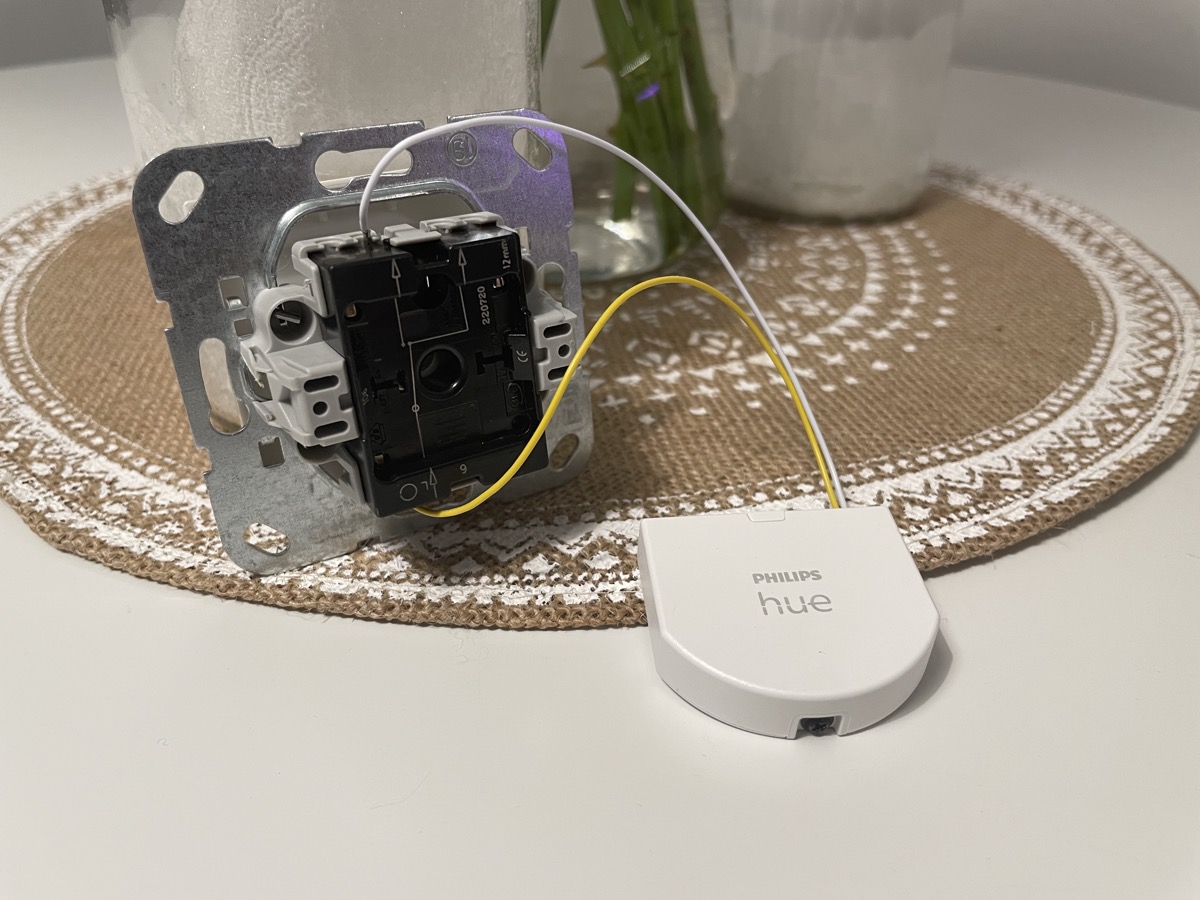
The primary function of the new wired wall modules is to bridge the gap between traditional electrical wiring and smart home automation. According to The Verge, these modules are designed to be installed behind existing wall switches, effectively converting a standard light circuit into a smart-controllable one without requiring the replacement of every single bulb in a fixture.
For years, a persistent friction point in smart lighting has been the “physical switch problem.” When a user flips a traditional wall switch to the “off” position, power is cut to the smart bulb, rendering it unreachable by the app, timers, or voice commands. By placing a wired module behind the switch, the circuit remains powered, but the physical action of flipping the switch is translated into a digital command within the Hue ecosystem.
LEDinside reports that this expansion into wired switches represents a strategic move to make the Hue ecosystem more accessible to homeowners who cannot or will not replace every existing light fixture with proprietary smart bulbs. This approach allows for a hybrid home where some lights are “smart” bulbs and others are “dumb” bulbs controlled by “smart” switches.
Key technical advantages of wired modules
- Power Continuity: Smart bulbs remain powered and connected to the network even when the physical switch is toggled.
- Aesthetic Preservation: Users can keep their existing designer or standard wall plates and switches.
- Universal Control: Non-smart bulbs can now be included in “scenes” or automated schedules alongside Hue-branded smart bulbs.
- Reduced Hardware Costs: Controlling a chandelier with ten non-smart bulbs via one module is more cost-effective than buying ten smart bulbs.
Expanding the hardware portfolio: New lamps and bulbs
Alongside the wall modules, Philips Hue has introduced several new lighting fixtures designed to enhance ambient lighting and entertainment synchronization. As reported by MacRumors and 9to5Google, the new lineup includes a variety of table and floor lamps, as well as new candle bulbs.
:no_upscale()/cdn.vox-cdn.com/uploads/chorus_asset/file/22530198/verge_IMG_7214__1__2040pxl.jpg "Expanding the hardware portfolio: New lamps and bulbs")
The new table and floor lamps are specifically engineered to work with Hue’s TV sync capabilities. This technology allows the lights to mirror the colors and action on a television screen in real-time, creating an immersive atmospheric effect. These fixtures are designed to be placed around a media center to extend the screen’s visual output into the rest of the room.
The addition of new candle bulbs further expands Hue’s form-factor options. These bulbs are intended for decorative fixtures, such as candelabras or wall sconces, bringing the same color-tuning and dimming capabilities of the wider Hue line to more traditional lighting shapes.
Comparison of new Hue lamp offerings
| Product | Primary Use Case | Key Feature | Sync Capability |
|---|---|---|---|
| Hue Play Table Lamp | Compact accent lighting | Small footprint, high intensity | Full TV Sync |
| Hue Gradient Signe Table Lamp | Architectural ambient light | Multi-zone color gradients | Full TV Sync |
| Hue Floor Lamp | Room-filling wash | Height for indirect lighting | Full TV Sync |
| Hue Candle Bulbs | Decorative fixtures | Traditional flame shape | App/Voice Control |
The role of TV sync and Gradient technology
A significant portion of the new hardware release focuses on “Gradient” technology. According to Hueblog.com, the Gradient Signe table lamps differ from standard Hue lights by allowing multiple colors to be displayed on a single fixture simultaneously. This creates a smooth transition of hues rather than a single solid color across the entire lamp.
When paired with the Hue Sync Box or the Hue Sync app, these lamps act as an extension of the viewing experience. The system analyzes the pixels on the screen and instructs the lamps to output corresponding colors. For example, if a blue sky dominates the top of a movie scene, the floor lamps may shift to a deep blue, while the table lamps mirror the colors of the foreground action.
This integration is designed to reduce eye strain by providing bias lighting—light that fills the area behind and around the screen—which minimizes the contrast between a bright display and a dark room.
Industry implications and the smart home “switch” conflict
The release of wired wall modules addresses a broader industry challenge regarding the adoption of smart lighting. Most smart bulbs rely on “always-on” power. This creates a conflict between the digital nature of the product and the analog nature of home architecture. According to LEDinside, providing a wired solution is a necessary step for any ecosystem aiming for total home penetration.

By shifting the “intelligence” from the bulb to the switch, Hue is competing with other smart home standards that prioritize smart switches over smart bulbs. While smart bulbs offer individual color control and zoning, smart switches offer reliability and compatibility with any light source. Hue’s new modules attempt to provide the benefits of both.
“The ability to bring non-smart lights into the ecosystem removes one of the biggest barriers to entry for users who have expensive, built-in lighting fixtures that cannot be easily replaced with smart bulbs.”
Comparing the two paths to smart lighting
- The Bulb-Centric Path: Replace every bulb with a smart version. Pros: Individual color control, high flexibility. Cons: High cost, disabled by physical switches.
- The Switch-Centric Path: Replace the wall switch or add a module. Pros: Works with any bulb, maintains physical control. Cons: All bulbs on that circuit must act as one group, no individual bulb color changes.
The new wired modules allow Hue users to mix these paths, using smart bulbs in areas where color-changing is essential (like a living room) and wired modules in areas where simple on/off/dim functionality is sufficient (like a hallway or bathroom).
Installation and ecosystem requirements
Unlike the Hue Dimmer Switch or Smart Button, which are battery-powered and adhere to the wall with adhesive, the wired wall modules require a more permanent installation. According to reporting from The Verge, these modules are integrated into the home’s electrical wiring.
This means installation typically requires access to the electrical box behind the switch. While some users may be comfortable with this, the nature of high-voltage wiring often necessitates the help of a licensed electrician. Once installed, the module connects to the Hue Bridge via Zigbee, the wireless protocol Hue uses to communicate between devices.
The integration of these modules into the app allows them to function as triggers. For instance, a user can program the system so that when the physical wall switch is pressed, not only does the non-smart light turn on, but the nearby Hue smart bulbs also shift to a “Warm White” setting, creating a synchronized environment across different hardware types.
For those looking to further expand their setup, a related explainer on smart home hubs may provide more context on how the Hue Bridge manages these diverse device types.
Common misconceptions regarding smart switches
There is a frequent misunderstanding that adding a smart switch makes the bulbs themselves “smart.” It is important to clarify that a wired wall module provides control, not intelligence, to the bulb. According to the technical specifications discussed across the reported outlets, a non-smart bulb controlled by a Hue module cannot change colors or be dimmed unless the bulb itself is dimmable and the module supports dimming functions.
Another common misconception is that wired modules replace the need for a Hue Bridge. In reality, the modules still require the Bridge to communicate with the rest of the ecosystem and to connect to the internet for voice assistant integration. They are an extension of the Bridge’s capabilities, not a replacement for the central hub.
Frequently Asked Questions
Do I need to replace my existing light switches to use Hue wired wall modules?
No. According to The Verge, these modules are designed to be installed behind your existing switches, allowing you to keep your current wall plates and switches while adding smart functionality.
Can I change the color of a “dumb” bulb using these modules?
No. The wired modules only control the power (on/off) and potentially the dimming of the circuit. To change the color of a light, you must use a Hue smart bulb. The modules simply allow you to control non-smart bulbs using the Hue app and voice commands.
Are the new table and floor lamps compatible with any TV?
Yes, provided you have the necessary synchronization hardware. According to MacRumors, these lamps work with the Hue Sync Box (for HDMI devices) or the Hue Sync app (for Samsung TVs and other compatible software), which allows the lights to mirror the on-screen content.
Do the wired wall modules require a professional electrician?
Because these modules interact directly with the home’s high-voltage electrical wiring, it is generally recommended that a licensed electrician perform the installation to ensure safety and compliance with local building codes.
What is the difference between the Play table lamp and the Gradient Signe table lamp?
As noted by Hueblog.com, the Play table lamp is a more compact, focused light source, while the Gradient Signe table lamp is an architectural piece capable of displaying multiple colors at once (gradients) to create a more complex lighting effect.
The expansion of the Philips Hue line indicates a shift toward a more inclusive ecosystem. By addressing the limitations of physical switches and expanding the variety of ambient lighting fixtures, Hue is moving away from being a mere “bulb company” and toward becoming a comprehensive home lighting infrastructure provider. The integration of non-smart lights ensures that the transition to a smart home does not require a total overhaul of existing electrical fixtures, lowering the barrier for mass-market adoption.
