Ebola disease caused by Bundibugyo virus, Democratic Republic of the Congo & Uganda – World Health Organization (WHO)
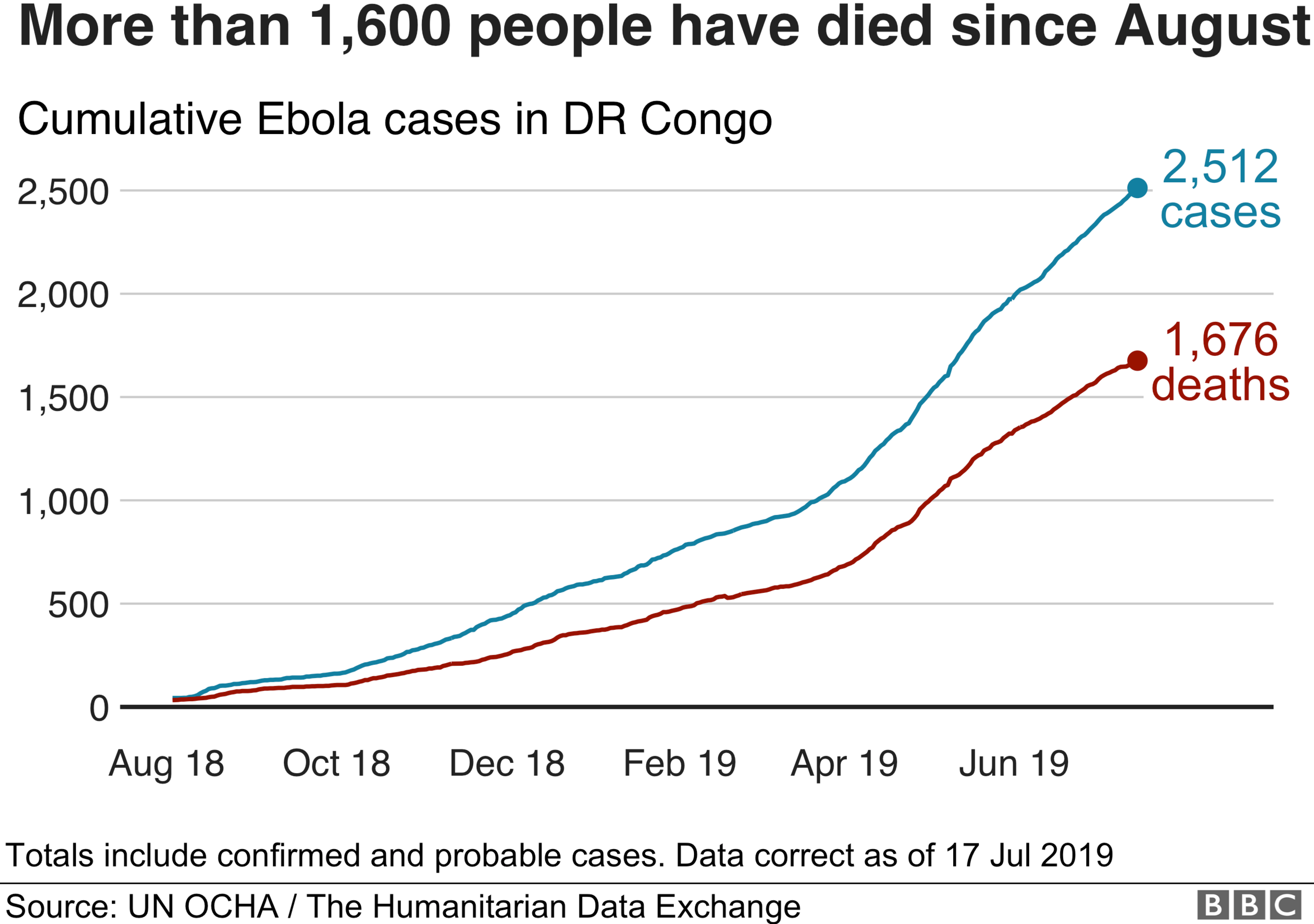
More than 200 people have died in an outbreak of Ebola disease caused by Bundibugyo virus across the Democratic Republic of the Congo (DRC) and Uganda, according to reports from the World Health Organization (WHO) and AP News. The World Health Organization confirms that over 70 medical personnel in the Congo have been infected as cases surged nearly 40% in a single week, prompting warnings from the Africa CDC that this could be the worst outbreak in the region’s history.
How fast is the Bundibugyo virus spreading in the DRC and Uganda?
The current outbreak is characterized by a rapid acceleration of transmissions. According to AP News, Ebola cases increased by nearly 40% within a one-week window, pushing the total death toll past the 200 mark. This spike indicates a failure to contain the virus within localized clusters, suggesting widespread community transmission in the affected regions of the Democratic Republic of the Congo and neighboring Uganda.
The Africa CDC has characterized the severity of this event in stark terms, stating via CNN that the current DRC outbreak may be the worst ever recorded. This assessment follows the rapid climb in fatalities and the difficulty health officials face in tracking new contacts in volatile border regions.
| Metric | Current Status / Figure | Source |
|---|---|---|
| Total Deaths | Over 200 | AP News |
| Weekly Case Increase | Nearly 40% | AP News |
| Infected Medical Staff | 70+ | WHO |
| Risk Assessment | Potentially “worst ever” | Africa CDC |
Why are so many healthcare workers becoming infected?
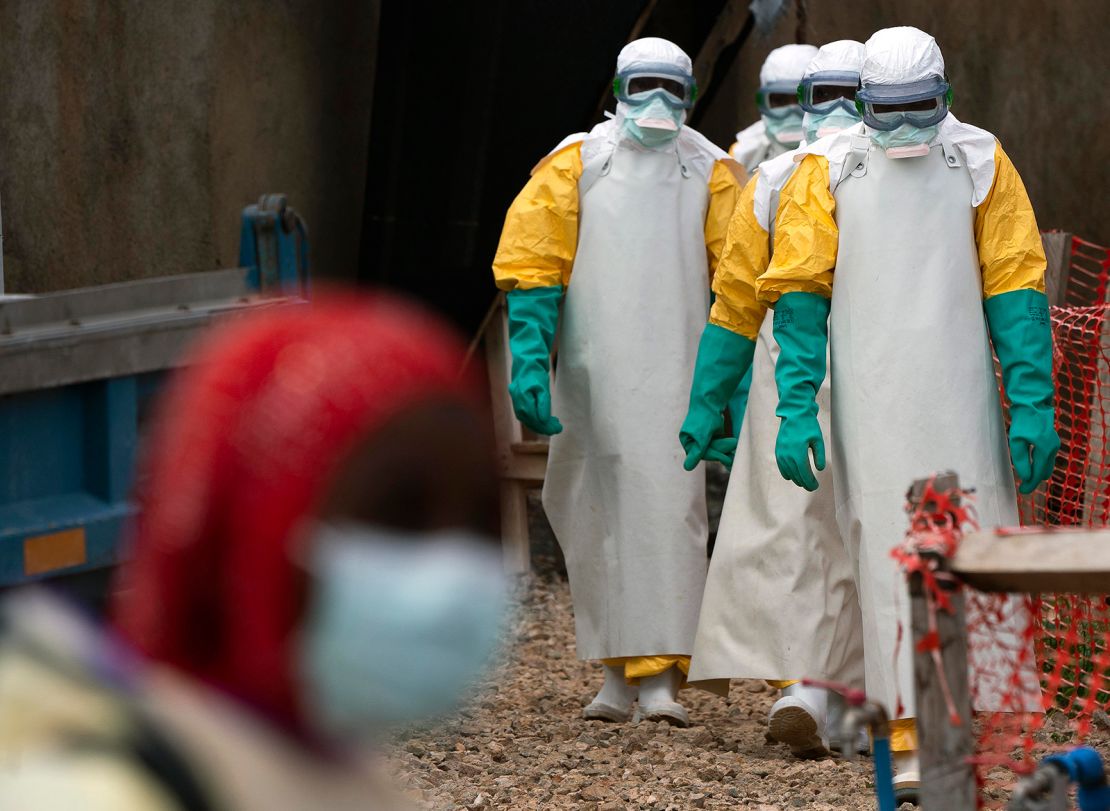
The World Health Organization (WHO) reports that more than 70 medical professionals in the Congo have contracted Ebola since the outbreak began. This high rate of infection among frontline workers typically points to gaps in Personal Protective Equipment (PPE) protocols, inadequate training, or the sheer volume of patients overwhelming existing facility capacities.
When medical staff become patients, the healthcare system faces a double crisis. According to WHO data, the loss of trained clinicians reduces the capacity to treat the general population, which in turn increases the likelihood of untreated patients spreading the virus within their communities. This cycle often accelerates the death toll as the “care gap” widens.
“More than 70 Congo medics infected with Ebola since outbreak started,” the World Health Organization reported, highlighting the extreme risk faced by those attempting to contain the Bundibugyo virus.
What makes the Bundibugyo virus different from other Ebola strains?
Ebola disease caused by Bundibugyo virus is distinct from the more commonly known Zaire ebolavirus. While both cause severe hemorrhagic fever, the Bundibugyo strain—first identified in the Bundibugyo district of Uganda—often presents different epidemiological patterns. Historically, the Bundibugyo virus has shown a lower case fatality rate than the Zaire strain, but it remains highly lethal and difficult to diagnose without specialized laboratory equipment.
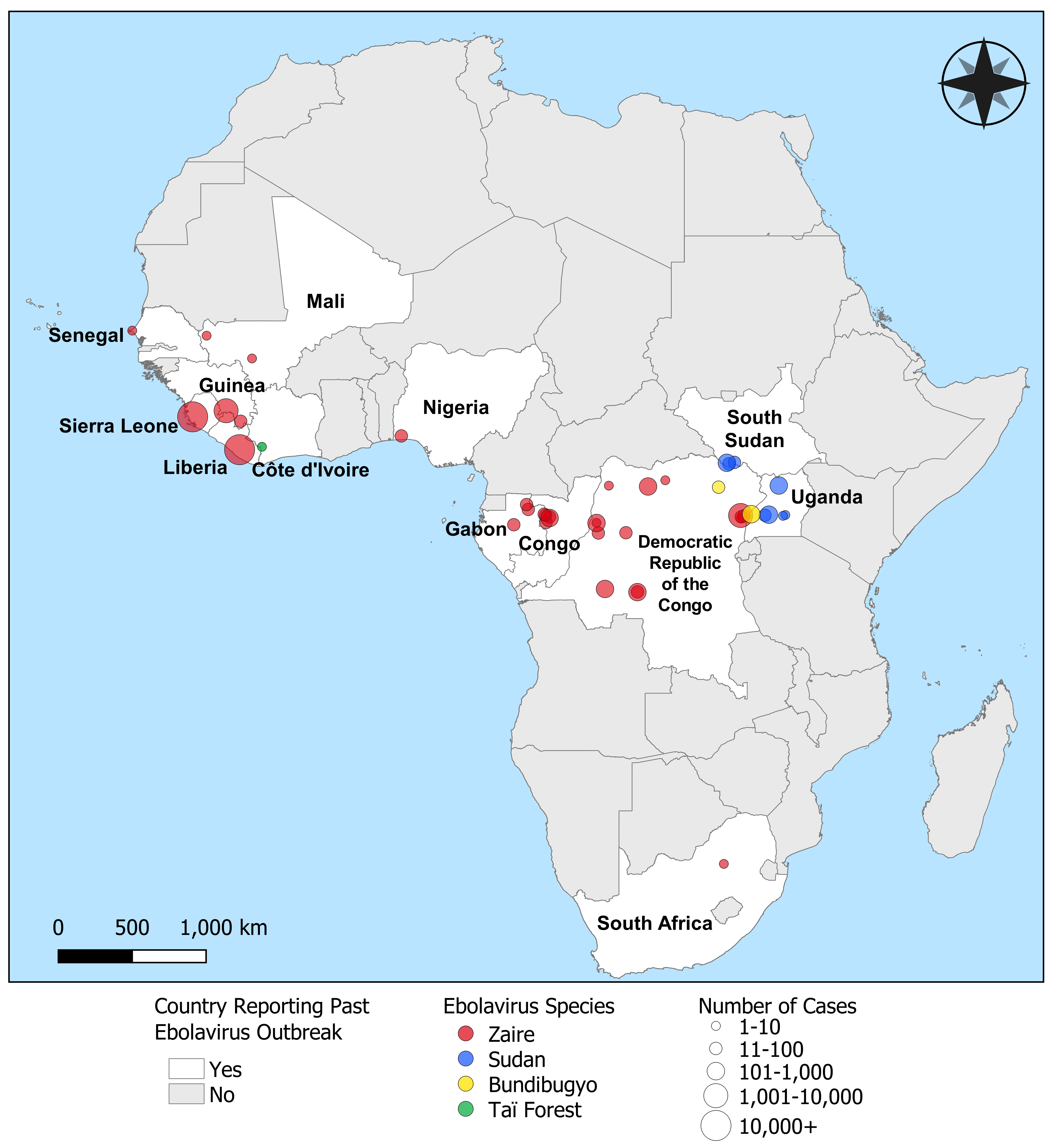
The current cross-border nature of the outbreak between the DRC and Uganda complicates the response. The virus moves through populations that frequently cross these borders for trade and family visits, making traditional quarantine measures difficult to enforce. This geographical fluidity is a primary reason why the Africa CDC views this specific outbreak as a systemic threat to the region.
Key characteristics of the Bundibugyo strain:
- Origin: First discovered in Uganda; frequently appears in the DRC-Uganda border regions.
- Transmission: Spreads through direct contact with blood, secretions, or other bodily fluids of infected people.
- Symptoms: Sudden onset of fever, fatigue, muscle pain, headache, and in later stages, vomiting, diarrhea, and internal/external bleeding.
- Diagnostic Challenge: Requires specific PCR testing to differentiate it from other ebolaviruses.
What is the current status of the regional response?
According to Ebola Outbreak Situation Report #7, published by ReliefWeb on June 18, 2026, the response is currently focused on the “DRC and Region.” The report indicates that international coordination is attempting to synchronize efforts between the WHO, the Africa CDC, and national health ministries in Kinshasa and Kampala.
The response strategy involves three primary pillars:
- Contact Tracing: Identifying every person who came into contact with a confirmed case to prevent the 40% weekly growth rate reported by AP News.
- Ring Vaccination: Deploying vaccines to the “ring” of people surrounding a confirmed case, though the efficacy of existing vaccines against the Bundibugyo strain specifically is a point of ongoing clinical focus.
- Safe Burials: Implementing managed burial protocols to prevent transmission during traditional funeral rites, which are frequent superspreading events.
Despite these efforts, the Africa CDC’s warning via CNN suggests that the scale of the outbreak is outpacing the current deployment of resources. The “worst ever” label implies that the current trajectory may exceed the capacity of local health systems to manage the caseload.
How does this outbreak compare to previous Ebola events?
The framing of this crisis differs across reports. While the WHO focuses on the specific vulnerability of the medical workforce, the Africa CDC emphasizes the historical scale of the disaster. By labeling it as potentially the “worst ever,” the Africa CDC is comparing the current Bundibugyo outbreak not just to previous Bundibugyo events, but to the overall history of Ebola in the DRC.
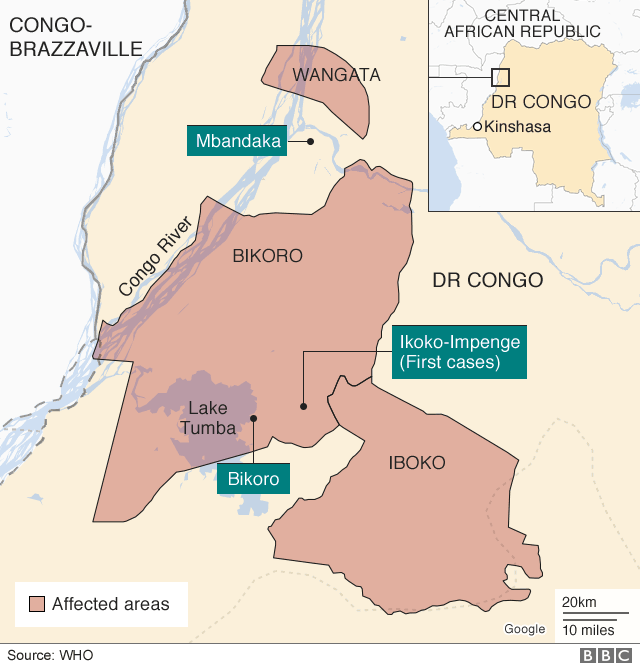
Typically, the Zaire strain has caused the highest death tolls. However, the rapid 40% increase in cases reported by AP News suggests a level of transmissibility or a breakdown in containment that rivals the most severe previous outbreaks. The infection of over 70 medics, according to the WHO, also puts this event in a category of high systemic risk, as it degrades the very infrastructure meant to stop the virus.
For more information on how these viruses evolve, see a related explainer on zoonotic spillover events.
What are the primary risks for the DRC and Uganda moving forward?
The most immediate risk is the total collapse of local healthcare delivery in the affected zones. With 70+ medics already infected, the DRC is facing a critical shortage of personnel. If the infection rate among providers continues, the ability to conduct contact tracing—the most effective tool for stopping Ebola—will vanish.
Furthermore, the cross-border movement between the DRC and Uganda creates a “reservoir” effect. If the virus is suppressed in one country but remains active in the other, the border regions will likely experience recurring waves of infection. This makes the “Region” focus mentioned in the ReliefWeb Situation Report #7 essential; a unilateral response by one country is unlikely to succeed.
Potential Long-term Implications:
- Economic Disruption: Trade between the DRC and Uganda may plummet due to travel restrictions and fear of infection.
- Healthcare Erosion: The loss of dozens of medical professionals creates a vacuum in primary care that will last long after the outbreak ends.
- Public Trust: Rapid spikes in deaths (passing 200) often lead to community mistrust of health workers, which can result in hidden cases and increased community spread.
Frequently Asked Questions
What is the current death toll of the Bundibugyo Ebola outbreak?
According to AP News, the death toll has passed 200 people as the outbreak spreads through the Democratic Republic of the Congo and Uganda.
Which organization is tracking the Ebola outbreak in the DRC?
The World Health Organization (WHO), the Africa CDC, and ReliefWeb (via Situation Reports) are the primary bodies tracking and reporting on the spread of the Bundibugyo virus.
How many medical workers have been infected?
The World Health Organization (WHO) has reported that more than 70 medical personnel in the Congo have been infected since the start of the outbreak.
Is the Bundibugyo virus the same as the Zaire Ebola virus?
No. The Bundibugyo virus is a different species of ebolavirus. While it causes similar symptoms and is highly lethal, it has different genetic markers and has historically shown different fatality rates and patterns of spread than the Zaire strain.
Why is the Africa CDC calling this the “worst ever” outbreak?
As reported by CNN, the Africa CDC uses this terminology due to the rapid increase in cases—nearly 40% in one week—and the significant impact on the healthcare workforce, suggesting a scale of crisis that may surpass previous events in the DRC.
Current data from the June 18, 2026, ReliefWeb report indicates that the situation remains fluid, with the focus remaining on the DRC and the surrounding regional borders to prevent further escalation.
