
UK PM vows to fight for job after challenger’s stunning by-election win – Australian Broadcasting Corporation
UK Prime Minister Keir Starmer has pledged to maintain his leadership and fight for his position following a significant by-election victory by Andy Burnham in Makerfield, according to reports from the Australian Broadcasting Corporation. The result has triggered immediate speculation regarding a leadership showdown within the Labour Party, as Burnham’s win is framed by various international outlets as a “turning point” for the party’s internal power dynamics.
Why the Makerfield by-election result threatens Keir Starmer’s leadership
The victory of Andy Burnham in the Makerfield by-election has created a visible rift in the Labour Party’s hierarchy. According to reporting from Al Jazeera, Starmer’s future as Prime Minister now “hangs in balance” because the result suggests a disconnect between the current leadership’s strategy and the desires of the electorate in key constituencies. The win provides Burnham with a powerful mandate and a platform to challenge the current direction of the government.
The Australian news outlet The Australian reports that the result was a clear signal that voters have “voted for change,” specifically targeting the current leadership’s approach. This sentiment transforms a local electoral victory into a national referendum on Starmer’s viability as the party’s leader. By winning a seat that serves as a bellwether for working-class sentiment, Burnham has positioned himself as a viable alternative who can bridge the gap between the party’s centrist leadership and its traditional base.
Key factors contributing to the leadership tension include:
- Electoral Momentum: Burnham’s ability to secure a “stunning” win while the Prime Minister struggles with polling.
- Ideological Friction: A growing divide between Starmer’s pragmatic, center-left approach and the more populist, left-wing appeal demonstrated by Burnham.
- Internal Party Confidence: The perception among MPs that a leadership change might be necessary to secure a larger majority in the next general election.
How Andy Burnham’s win creates a “turning point” for the Labour Party
The Sydney Morning Herald (SMH.com.au) characterizes this moment as a “turning point,” noting that Starmer is now bracing for a direct showdown. In UK politics, by-elections often serve as a pressure valve for party discontent. When a potential challenger achieves a high-profile victory, it often emboldens dissenters within the parliamentary party to move against the leader.
Burnham’s victory in Makerfield is not merely a statistical win but a symbolic one. According to SMH.com.au, the “ace” performance by Burnham suggests that his brand of politics resonates more effectively with voters who feel alienated by the current administration’s policies. This creates a strategic dilemma for Starmer: ignoring the result risks appearing weak, while reacting too aggressively could alienate the wing of the party that Burnham represents.
“Starmer braces for showdown after potential challenger aces byelection.” — SMH.com.au
The implications of this “turning point” extend beyond the immediate leadership contest. It forces the Labour Party to re-evaluate its messaging on economic recovery and public services. If the Makerfield result is indicative of a wider trend, the Prime Minister may be forced to shift his policy platform toward the left to stave off a formal leadership challenge.
The role of Reform UK and the strategy of “calculated loss”
While the primary battle is between Starmer and Burnham, the performance of third parties has complicated the landscape. Analysis from The Guardian suggests a paradoxical strategy emerging from Reform UK. The report posits that Reform’s “genius plan” involves fielding candidates who are intentionally unappealing or “terrible,” leading to electoral losses that nonetheless serve a larger purpose.
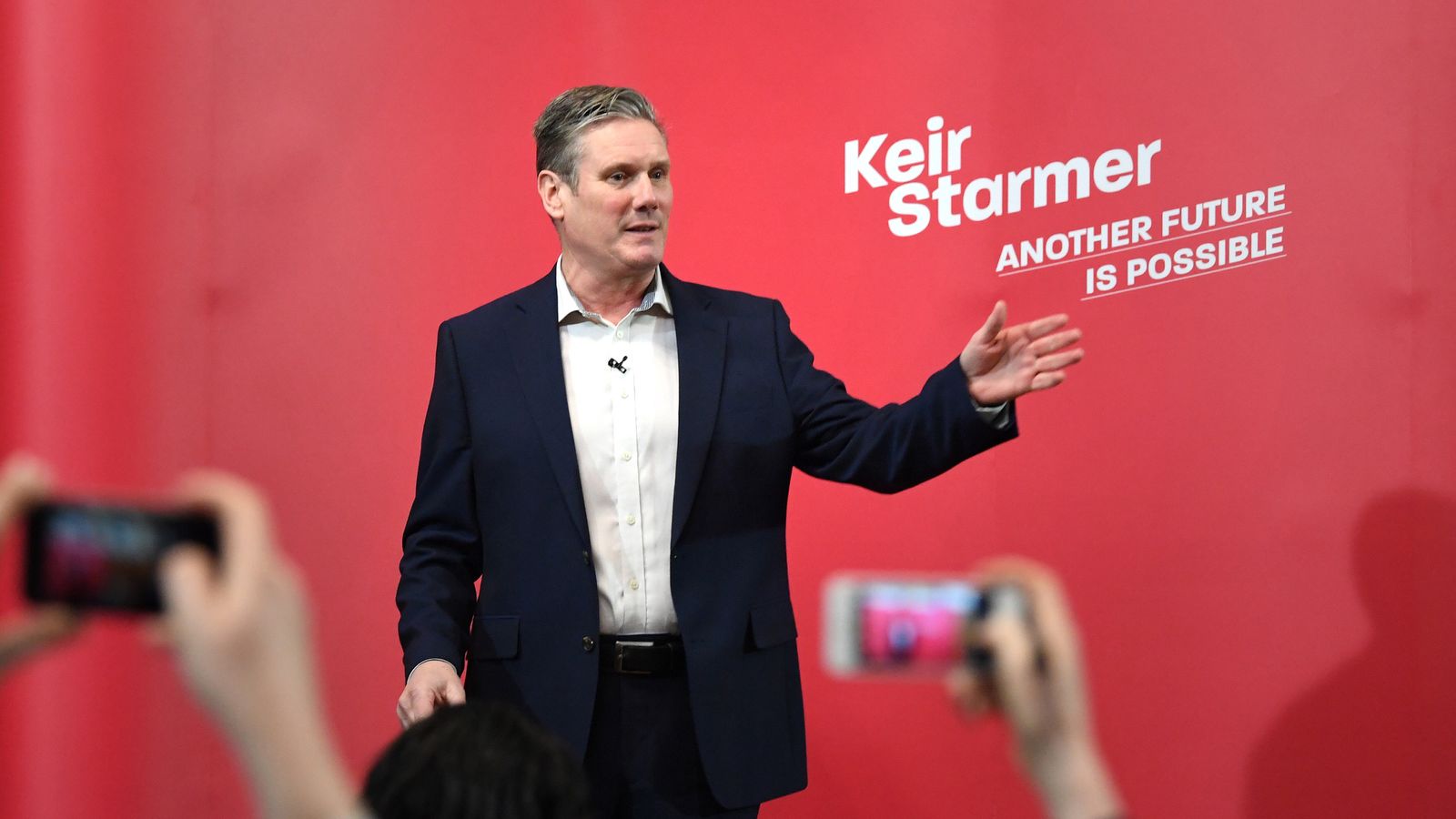
According to The Guardian, this strategy allows Reform UK to maintain a presence in the public consciousness and disrupt the traditional two-party narrative without the burden of governing. By siphoning off specific demographics of voters, Reform can influence the policy directions of both Labour and the Conservatives, even if they do not win the seat. In the context of Makerfield, the presence of Reform UK likely fragmented the right-wing vote, which may have inadvertently aided Burnham’s path to victory.
The following table compares the framing of the by-election across different international media outlets:
| Source | Primary Focus | Characterization of Event |
|---|---|---|
| Australian Broadcasting Corporation | Starmer’s resolve | A fight for the Prime Minister’s job |
| Al Jazeera | Leadership stability | Future “hangs in balance” |
| The Australian | Voter sentiment | A clear vote for “change” |
| SMH.com.au | Internal party conflict | A “turning point” and imminent “showdown” |
| The Guardian | Third-party dynamics | Reform UK’s strategic candidate selection |
What the Makerfield result means for UK political stability
The instability within the Labour Party comes at a time when the UK government is attempting to project strength on the global stage. A leadership struggle between the Prime Minister and a high-profile challenger like Andy Burnham creates a perception of a “government in crisis.” According to Al Jazeera, the uncertainty surrounding Starmer’s future could hinder the administration’s ability to pass contentious legislation, as MPs may be hesitant to tie their fortunes to a leader whose tenure is questioned.
Historically, UK Prime Ministers who face significant by-election losses or internal challenges often experience a “lame duck” period. During this time, the civil service and international partners may wait for a clearer signal of leadership before committing to long-term agreements. The Australian Broadcasting Corporation highlights that Starmer’s vow to “fight for his job” is an attempt to preempt this narrative and signal to both his party and the public that he remains in control.
The struggle for control is not just about personality but about the future of the Labour Party’s identity. Burnham represents a more regional, populist approach—often associated with his success in Greater Manchester—while Starmer has focused on professionalizing the party and moving it toward the center to attract swing voters. The Makerfield result suggests that the “center” strategy may be losing its efficacy in the heartlands of the party.
Short-term consequences for the Starmer administration
- Policy Pivot: Starmer may introduce more populist economic measures to counteract Burnham’s appeal.
- Cabinet Reshuffle: A potential reshuffle to bring critics into the fold or sideline potential allies of Burnham.
- Increased Internal Polling: The Prime Minister’s office is likely to increase monitoring of MP loyalty and regional sentiment.
Common misconceptions about the by-election impact
One common oversimplification is that a single by-election win automatically triggers a leadership change. In the UK parliamentary system, a leader is typically removed through a vote of no confidence by their own MPs or a formal party leadership contest. While the Makerfield win is a powerful catalyst, it is not a legal or constitutional mechanism for removal.
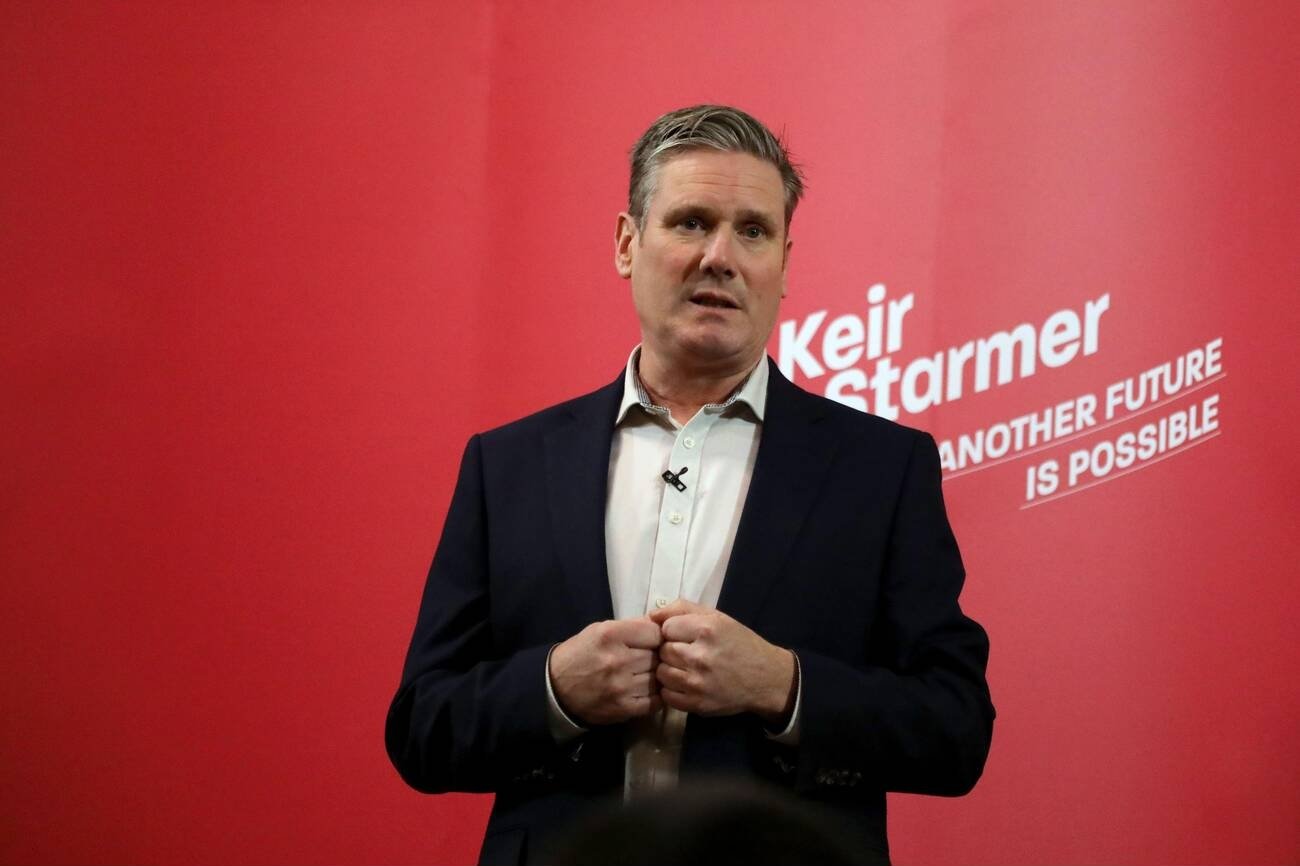
Another misconception is that Reform UK’s losses are a sign of failure. As The Guardian points out, the party may be operating on a different set of metrics. If their goal is to shift the national conversation or destabilize the two main parties, losing a seat with a “terrible” candidate can still be a strategic victory if it forces the main parties to move toward Reform’s policy positions to win back those voters.
Finally, some observers suggest that Burnham is an inevitable successor. However, political history shows that “by-election heroes” often struggle to translate local success into national leadership. The challenge for Burnham is to prove that his appeal in Makerfield is replicable across the entire UK, not just in specific northern strongholds.
Analyzing the “Voted for Change” narrative
The Australian’s focus on the phrase “voted for change” highlights a broader trend in global politics where voters are rejecting established party leadership in favor of perceived outsiders, even when those outsiders are within the same party. This “insider-outsider” dynamic allows Burnham to claim he is the true representative of the people’s will, despite being a senior political figure himself.
This narrative is particularly dangerous for Starmer because it frames the Prime Minister not as a leader of the party, but as an obstacle to the party’s success. When a challenger can claim that the electorate—rather than just a faction of MPs—wants a change in leadership, the pressure on the incumbent becomes exponential. The “stunning” nature of the win, as described by the Australian Broadcasting Corporation, refers to the margin and the symbolic weight of the seat, which makes the “change” narrative harder to dismiss as a statistical anomaly.
For more on how leadership challenges function in Westminster, see our related explainer on UK parliamentary confidence votes.
Potential paths forward for Keir Starmer
To secure his position, Starmer must move beyond vows to “fight” and deliver a tangible political victory. This could take the form of a successful policy launch that captures the public imagination or a strategic realignment within his cabinet. According to the analysis provided by SMH.com.au, the Prime Minister is currently in a defensive posture, but the transition to an offensive posture will require him to address the grievances that led to Burnham’s success in Makerfield.
If Starmer fails to stabilize his support, the party may face a formal leadership challenge. Such a process would involve a ballot of Labour MPs and, depending on the rules, the wider party membership. The risk for the party is that a prolonged internal war could alienate the general public and hand an advantage to the Conservative Party or Reform UK in the next general election.
The current situation can be summarized as a conflict between two different visions of Labour: one based on professional, centrist governance and another based on populist, regional empowerment. The Makerfield result has given the latter a powerful voice, and the Prime Minister’s response will determine whether the party remains united or fractures further.
Key indicators to watch for in the coming weeks
- MP Defections: Whether high-profile MPs begin publicly aligning with Burnham.
- Polling Shifts: If Burnham’s personal popularity begins to exceed that of Starmer in national polls.
- Policy Shifts: Any sudden moves by the government to adopt policies previously championed by the left wing of the party.
The struggle for the soul of the Labour Party is now an open conflict. While the Prime Minister remains in power, the Makerfield by-election has proven that his authority is no longer absolute. The “showdown” predicted by international observers is no longer a possibility, but a looming reality.
Frequently Asked Questions
Who won the Makerfield by-election?
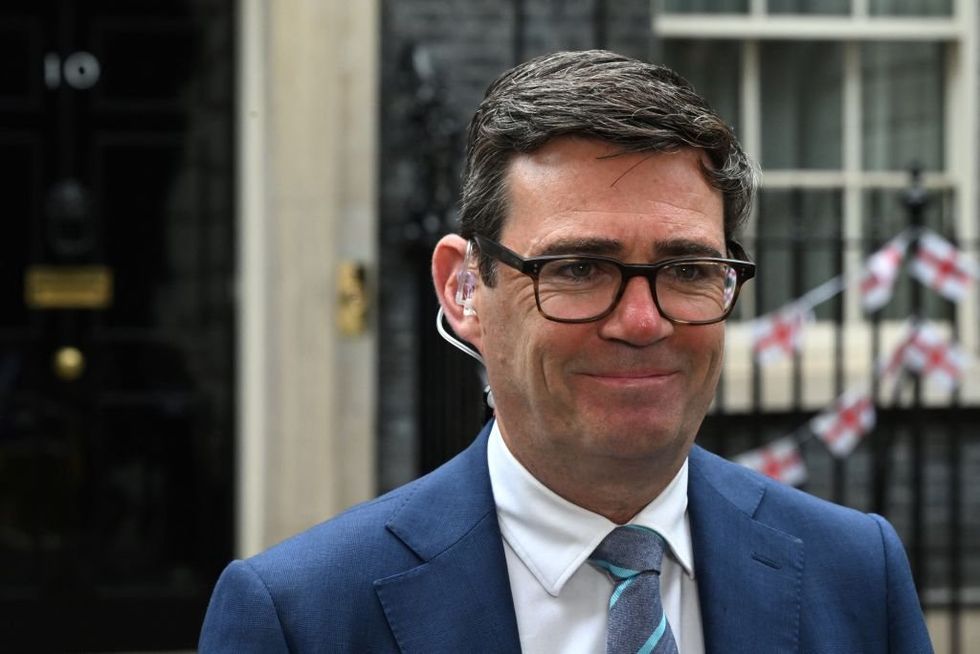
Andy Burnham won the Makerfield by-election, securing a victory that has been described as “stunning” by the Australian Broadcasting Corporation and a “turning point” by SMH.com.au.
Why is this win a threat to Prime Minister Keir Starmer?
According to Al Jazeera and The Australian, the win suggests that voters are seeking “change” and that Burnham’s populist appeal may be more effective than Starmer’s centrist approach, potentially fueling a leadership challenge within the Labour Party.
What is the “Reform UK strategy” mentioned in the news?
As reported by The Guardian, Reform UK may be employing a strategy of fielding unappealing candidates to intentionally lose elections while still disrupting the political landscape and influencing the policy directions of the larger parties.
Does a by-election win automatically remove a Prime Minister?
No. A by-election win by a challenger does not automatically remove a Prime Minister. However, it can create the political momentum necessary for party members to initiate a vote of no confidence or a leadership contest.
What was the reaction of Keir Starmer to the result?
The Australian Broadcasting Corporation reports that Keir Starmer has vowed to fight for his job and maintain his leadership of the party despite the challenger’s victory.
