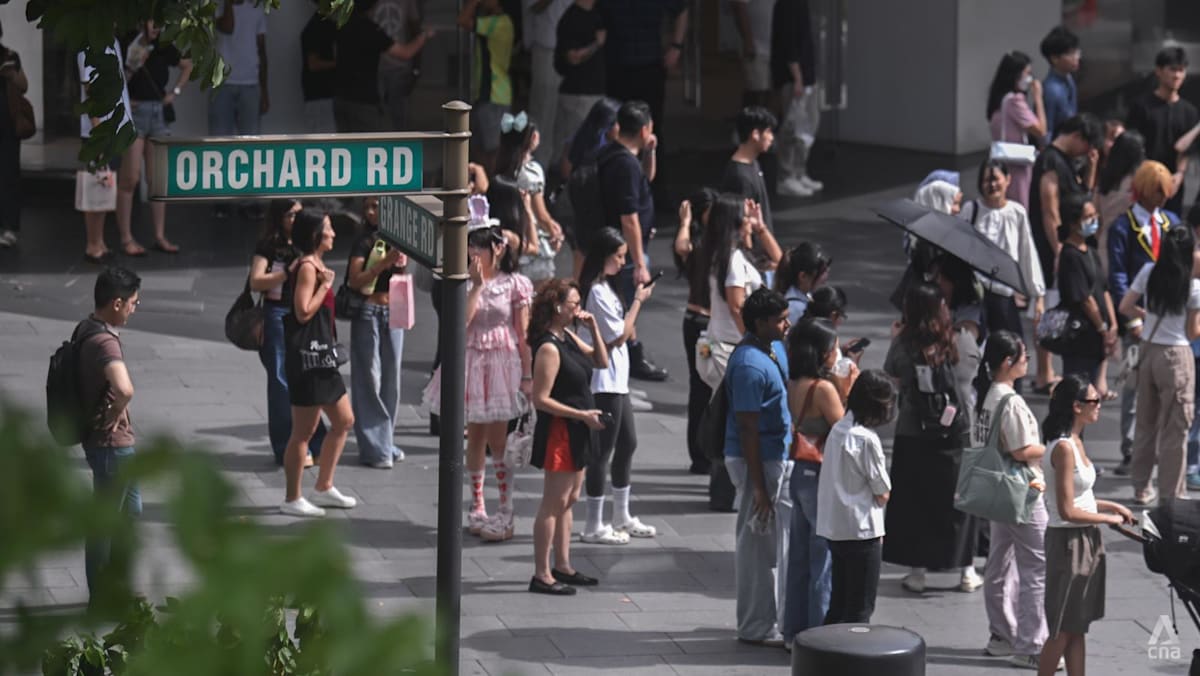
Beyond Retail: The Challenge of Rejuvenating Orchard Road and the Strategy to Save Singapore’s Shopping Street
Orchard Road is transitioning from a traditional retail hub into an experiential lifestyle destination to counter the rise of e-commerce and shifting tourist behaviors. According to urban planning frameworks and industry analysis, saving the street requires a fundamental shift from transactional shopping to “experience-based” visitation, integrating greenery, dining, and entertainment to maintain its global relevance.
Why is Orchard Road struggling to maintain its status?
The decline of the traditional shopping mall model is not unique to Singapore, but the stakes are higher for Orchard Road due to its role as a national tourism icon. Retailers and urban planners point to a “perfect storm” of economic and behavioral shifts that have eroded the street’s dominance.
E-commerce penetration has fundamentally altered how consumers interact with brands. The convenience of platforms like Shopee, Lazada, and Amazon has turned the physical act of buying a product into a secondary preference for many. When the primary goal is a transaction, the physical store becomes an expensive showroom rather than a necessary destination.
Furthermore, tourist spending patterns have evolved. Visitors to Singapore now prioritize “authentic” local experiences over luxury brand shopping. While high-end boutiques remain, the draw of the “generic luxury mall”—which can be found in Dubai, London, or Hong Kong—has diminished. According to industry observers, the lack of a unique, Singapore-specific identity in some sections of Orchard Road has made it vulnerable to competition from regional hubs.
High rental costs also create a barrier to entry for innovative, small-scale retailers who could provide the “quirkiness” and variety needed to attract younger demographics. This has led to a homogenization of the street, where the same global conglomerates occupy the most visible spaces, leaving little room for the experimental concepts that drive footfall in cities like Tokyo or Seoul.
What does “experiential retail” actually look like for Singapore?
To address the challenge of rejuvenating Orchard Road, stakeholders are pivoting toward “experiential retail.” This strategy moves the focus from the product to the process. The goal is to give consumers a reason to visit a physical location that cannot be replicated by a smartphone app.
Retailers are now implementing “phygital” strategies—the blending of physical and digital experiences. This includes augmented reality (AR) mirrors, interactive kiosks, and showrooms where customers can touch and feel a product before ordering it online for home delivery. In this model, the store serves as a marketing hub and a touchpoint for brand loyalty rather than a warehouse for inventory.
The diversification of tenant mixes is another critical component. Mall operators are increasingly allocating space to non-retail anchors. These include:
- Wellness and Health Hubs: Integrating gyms, high-end spas, and medical aesthetics clinics to ensure daily footfall from locals, not just tourists.
- Immersive Entertainment: The introduction of e-sports arenas, immersive art installations, and “eatertainment” venues that combine dining with gaming or activities.
- Curated Concept Stores: Moving away from massive department stores toward smaller, themed boutiques that offer curated selections and storytelling.
“The store of the future is not a place to buy things, but a place to experience the brand.”
How is the government intervening to save the shopping street?
The rejuvenation of Orchard Road is not being left solely to the private sector. The Urban Redevelopment Authority (URA) and the Singapore Tourism Board (STB) have integrated the street’s evolution into broader urban planning goals.
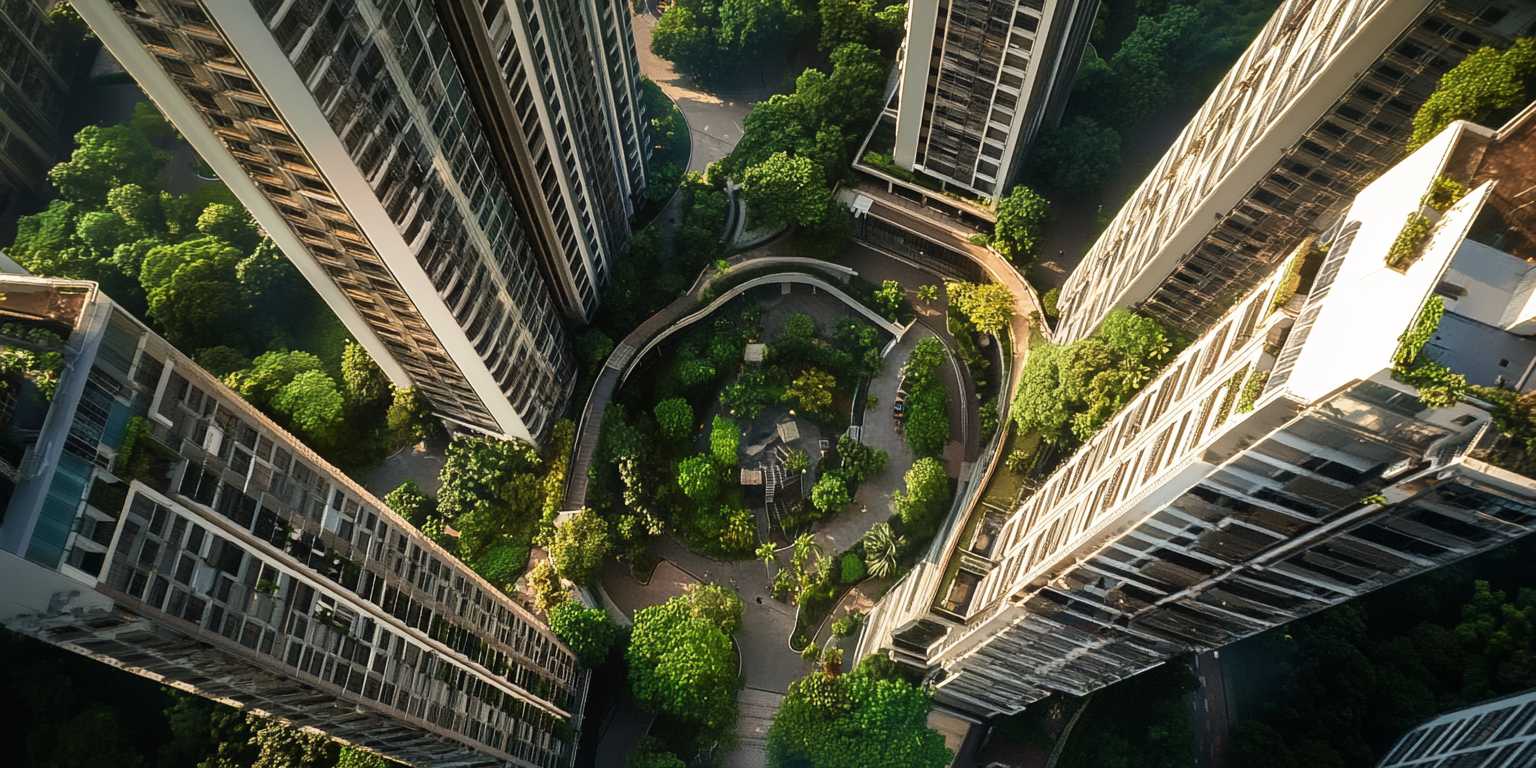
A primary focus is the “greening” of the corridor. By increasing canopy cover and creating more pedestrian-friendly zones, planners aim to make Orchard Road a place where people want to linger, rather than just pass through. This involves widening pavements, adding more shaded walkways, and integrating nature into the architecture of the malls themselves.
The government is also encouraging the development of “mixed-use” spaces. By allowing more residential or office integration within the retail zones, the state ensures a built-in population of users who support the ecosystem throughout the day and night, reducing the street’s over-reliance on seasonal tourist surges.
To track progress and identify gaps, the following table outlines the shift in strategic priorities for the district:
| Metric/Focus | Traditional Model (Pre-2020) | Rejuvenated Model (Current/Future) |
|---|---|---|
| Primary Goal | Sales Volume / Transactional | Visitor Engagement / Experiential |
| Tenant Mix | Dominantly Fashion & Luxury | Mixed: Wellness, F&B, Tech, Art |
| Visitor Draw | Product Availability | Unique Experiences & Aesthetics |
| Urban Design | Mall-centric (Indoor) | Street-centric (Outdoor/Green) |
| Customer Journey | Browse $rightarrow$ Buy $rightarrow$ Leave | Explore $rightarrow$ Engage $rightarrow$ Socialize |
Who are the key stakeholders in this transformation?
The effort to save Orchard Road involves a complex web of interests, each with different priorities. The success of the rejuvenation depends on the alignment of these groups.
Mall Owners and REITs
Large real estate investment trusts (REITs) and developers, such as CapitaLand and Frasers Property, hold the keys to the physical space. Their challenge is balancing the need for stable, high-paying luxury tenants with the need for innovative, riskier “concept” stores that drive foot traffic. They are increasingly moving toward flexible leasing models to allow for pop-up stores and short-term activations.
Global Luxury Brands
Brands like Louis Vuitton and Apple use Orchard Road as a flagship location. For them, the street is less about immediate sales and more about brand prestige and visibility in the Southeast Asian market. They are leading the charge in “architectural retail,” building stores that are landmarks in their own right.
Small and Medium Enterprises (SMEs)
Local entrepreneurs and boutique owners provide the variety that prevents the street from feeling sterile. However, they face the steepest climb due to rental costs. The ability of the street to integrate these smaller players is often seen as a litmus test for its cultural vibrancy.
The Modern Tourist
The “Gen Z” and “Millennial” traveler views shopping as a leisure activity rather than a chore. They seek “Instagrammable” moments and local stories. If Orchard Road cannot provide these, they are likely to spend their time and money in neighborhoods like Tiong Bahru or Haji Lane instead.
What are the economic implications of a failing shopping street?
Orchard Road is more than a collection of shops; it is a significant contributor to Singapore’s GDP and a pillar of its tourism brand. A failure to rejuvenate the street would have cascading effects across several sectors.
First, there is the impact on employment. Thousands of retail staff, security personnel, and facility managers rely on the ecosystem. A shift toward automated retail or a decline in footfall could lead to structural unemployment in the retail sector.
Second, the valuation of commercial real estate would suffer. If the “prestige” of an Orchard Road address declines, landlords may be forced to slash rents, affecting the dividends of REITs and the broader financial stability of commercial property holders.
Third, the tourism narrative would shift. Singapore markets itself as a global city of excellence. If its premier shopping street becomes a “ghost town” of empty storefronts—a phenomenon seen in some US and European city centers—it would signal a decline in the city’s dynamism to the rest of the world.
To avoid this, planners are looking at the “15-minute city” concept, ensuring that the area around Orchard Road is not just a shopping destination but a livable neighborhood where work, home, and play coexist.
How does Orchard Road compare to other global shopping districts?
When analyzing the challenge of rejuvenating Orchard Road, it is useful to look at how other cities have handled the “retail apocalypse.”
In Tokyo, the Ginza district has successfully blended ultra-luxury with “department store culture” that emphasizes extreme hospitality (Omotenashi). Ginza has maintained its draw by ensuring that the experience of shopping is an art form, not just a transaction. Orchard Road is attempting a similar pivot by encouraging brands to create “destination stores.”
In contrast, Fifth Avenue in New York has seen a significant shift toward “flagship-only” models, where stores act more like galleries than shops. This has increased the prestige of the street but decreased the diversity of the retail offering. Singapore’s challenge is to find a middle ground: maintaining the prestige of Fifth Avenue while keeping the variety and energy of Tokyo’s districts.
A key difference is the climate. Unlike New York or Tokyo, Singapore’s heat and humidity make the “street” experience difficult. This is why the integration of air-conditioned underground links and shaded outdoor walkways is more critical for Orchard Road than for its global counterparts.
For more on the intersection of urban planning and retail, see this related explainer on smart city infrastructure.
Common misconceptions about the decline of retail streets
There is a common belief that the “death of the mall” is inevitable. However, data suggests that retail is not dying, but rather transforming. The misconception is that people have stopped shopping in person; in reality, they have stopped shopping in boring places.
Another misconception is that lowering rents is the only way to attract tenants. While affordability is important, many high-quality “concept” brands are more interested in the quality of the foot traffic and the synergy of the neighboring stores than the price of the lease. A low-rent street with no visitors is less attractive than a high-rent street that is a global destination.
Finally, some argue that adding more greenery and dining “dilutes” the shopping identity of the street. On the contrary, urban planners argue that these elements act as “dwell-time enhancers.” The longer a person stays in the area to eat or walk in a park, the more likely they are to enter a store on a whim.
Frequently Asked Questions
Is Orchard Road becoming obsolete?
No, but its traditional model of purely transactional retail is. The street is currently undergoing a strategic shift toward “experiential retail” and mixed-use development to remain relevant in the age of e-commerce.
What is the main challenge in rejuvenating Orchard Road?
The primary challenge is balancing high operational costs and luxury brand requirements with the need for diversity, innovation, and local authenticity to attract younger, experience-seeking consumers.
How does e-commerce affect physical stores on Orchard Road?
E-commerce has removed the need for physical stores to act as distribution points. This forces stores to pivot toward becoming “experience centers” where customers engage with the brand emotionally and physically before purchasing online or in-store.
What role does the government play in saving the street?
The government, through the URA and STB, manages urban planning, increases greenery, improves walkability, and encourages the development of mixed-use spaces to ensure a steady flow of diverse visitors.
Will Orchard Road still be a luxury hub?
Yes, but luxury will likely be redefined. Instead of just selling expensive goods, luxury brands will focus on providing exclusive services, immersive installations, and personalized experiences that cannot be replicated online.
The future of Orchard Road depends on its ability to stop being a place where people go to buy things and start being a place where people go to spend their time. The transition from a shopping street to a lifestyle district is a complex architectural and economic gamble, but it is the only viable path to avoid the fate of stagnant retail corridors worldwide.
