
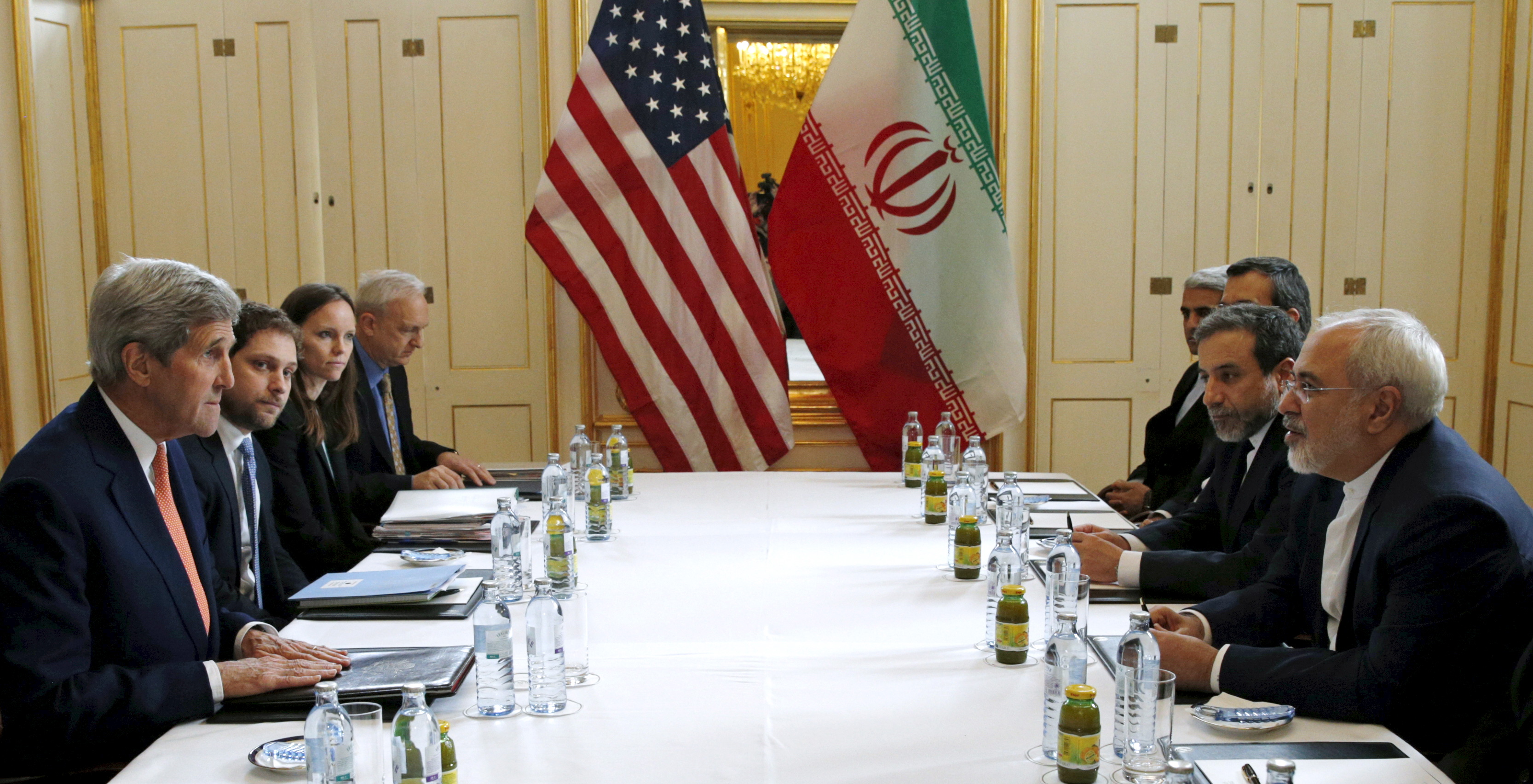
Oil prices fell nearly 4% on Tuesday following reports of a potential agreement between the United States and Iran, though experts cautioned that supply disruptions will take months to resolve, according to multiple analyses. The decline followed statements from officials suggesting a diplomatic framework to ease tensions, but market participants emphasized that short-term volatility remains tied to geopolitical uncertainties and logistical challenges.
The drop in benchmark crude futures came as analysts highlighted the gap between political developments and immediate market adjustments. “While the agreement signals a shift in regional dynamics, the physical supply chain cannot rebound overnight,” said a senior energy economist at a European financial institution, citing delays in reactivating production facilities and shipping infrastructure. Prices for Brent crude fell to $82.50 per barrel, down from $86.00 the previous day, according to data from the International Energy Agency.
Why the Immediate Price Drop?
The market reaction stemmed from expectations that a U.S.-Iran deal could ease restrictions on Persian Gulf oil exports, potentially increasing global supply. However, traders and analysts noted that existing contracts, refinery capacities, and geopolitical risks still constrain immediate relief. “The agreement may reduce the risk of conflict, but it doesn’t address the structural bottlenecks in oil distribution,” said a commodities analyst at a major investment bank, referencing delays in lifting sanctions on Iranian oil exports.
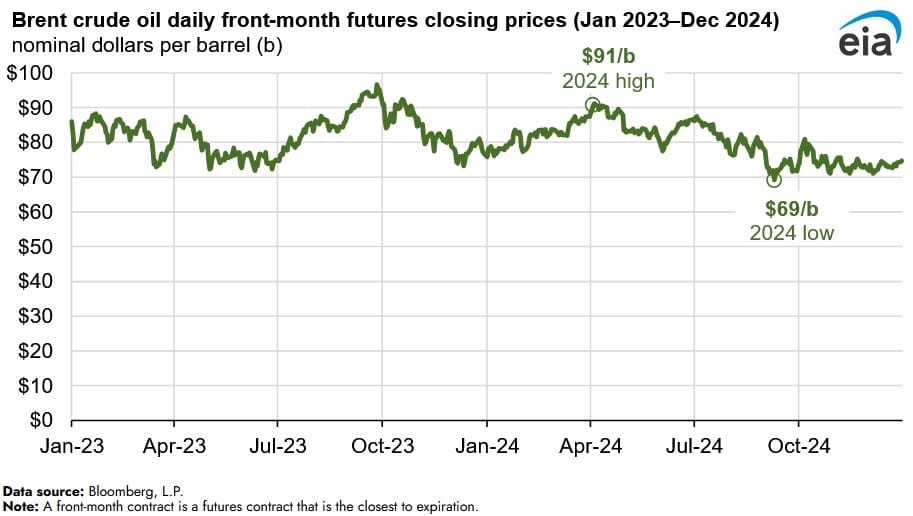
Investors also weighed the broader implications for energy markets. The U.S. Department of Energy reported that global crude inventories remain below historical averages, with OPEC+ production cuts continuing to offset potential increases from Iran. “Even if exports resume, it will take 3 to 6 months for the market to absorb the additional supply,” said a spokesperson for a Houston-based energy consultancy, citing industry surveys.
What’s Next for Oil Prices?
Experts predict continued fluctuations as the agreement’s details unfold. A report from a leading financial services firm noted that oil prices could stabilize between $85 and $90 per barrel in the next quarter, depending on OPEC+ policy decisions and demand trends in Asia. Meanwhile, U.S. gasoline prices, which have risen 12% year-to-date, may see limited relief in the short term, according to a separate analysis by a consumer advocacy group.
The International Monetary Fund also highlighted the broader economic implications, warning that sustained high oil prices could pressure inflation in emerging markets. “A gradual normalization of supply is critical to avoiding further strain on global trade,” the IMF stated in a policy update released Monday.
How Does This Affect Consumers?
For drivers and businesses reliant on fuel, the timeline for price reductions remains uncertain. A survey of 500 U.S. households conducted by a market research firm found that 68% of respondents expect gasoline prices to remain above $3.50 per gallon through the end of 2024. “The agreement is a positive step, but it’s not a quick fix for consumers facing record energy costs,” said the firm’s lead economist.
Analysts also pointed to the role of alternative energy investments. A recent report from a sustainability think tank noted that increased funding for renewable energy projects could mitigate long-term oil dependency, though such transitions require years to impact global markets.
