
Punjab Authorities Seal Over 20 Bus Terminals in Lahore Over Overcharging Violations
In a decisive move to protect commuters from predatory pricing and systemic exploitation, Punjab authorities have sealed more than 20 bus terminals across Lahore. This sweeping crackdown comes as a response to widespread reports of fare overcharging, where transport operators have allegedly ignored government-mandated price lists to inflate ticket costs for unsuspecting passengers. The operation signals a tightening of regulatory oversight in one of Pakistan’s most congested transport hubs, aiming to restore order and ensure that the cost of travel remains affordable for the general public.
The scale of the enforcement action—targeting over two dozen terminals—highlights the severity of the violations. For many residents of Lahore and those traveling into the city, the bus terminal experience has long been marred by inconsistent pricing and the arbitrary imposition of “additional charges” that fall outside official guidelines. By sealing these facilities, the provincial government is sending a clear message to the transport sector: the era of unchecked fare hikes is over.
The Mechanics of the Crackdown: What Happened in Lahore
The enforcement operation was not a random occurrence but the culmination of increased monitoring and a surge in passenger complaints. Authorities targeted terminals that were found to be in blatant violation of the prescribed fare schedules. The process involved teams of inspectors and law enforcement officials who conducted raids, verified ticket prices against official government rates, and interviewed passengers on-site to confirm reports of overcharging.
When a terminal is “sealed,” it effectively ceases operations. This means that the facility cannot sell tickets, load luggage, or dispatch buses until the management can prove compliance with the law and, in many cases, pay significant fines. This drastic measure is designed to disrupt the profit motives of operators who believe that the revenue gained from overcharging outweighs the risk of a nominal fine.
Key Details of the Enforcement Action
- Scope: Over 20 bus terminals across various sectors of Lahore were identified and sealed.
- Primary Trigger: Consistent violations of the official fare structure and reports of passenger exploitation.
- Enforcement Method: On-site inspections, verification of ticket receipts, and immediate sealing of premises.
- Objective: To curb inflation in transport costs and enforce the rule of law within the private transport sector.
The crackdown has created an immediate ripple effect across the city’s transport network. While it has caused temporary inconvenience for some travelers, the overarching goal is to create a sustainable environment where prices are transparent and predictable. The focus has been particularly sharp on terminals serving inter-city routes, where the lack of competition on specific paths often leads operators to hike prices during peak hours or holiday seasons.
The Root Causes of Fare Overcharging in Punjab
To understand why Punjab authorities felt the need to seal over 20 bus terminals in Lahore over overcharging violations, one must look at the underlying economic and systemic pressures affecting the transport industry. Overcharging is rarely an isolated incident; it is typically a symptom of deeper market failures.
Economic Volatility and Fuel Costs
One of the primary drivers cited by transport operators for increasing fares is the volatility of fuel prices. In recent years, Pakistan has faced significant inflationary pressures, and the cost of diesel and petrol has fluctuated sharply. When fuel costs rise, operators often attempt to pass these costs directly to the consumer in real-time, rather than waiting for the government to officially revise the fare charts.
Lack of Digital Standardization
A significant portion of the ticketing process at many Lahore terminals still relies on manual entries or outdated systems. This lack of transparency allows agents to charge “premium” rates or add hidden fees without providing a formal, stamped receipt that reflects the government-approved price. Without a centralized, digital ticketing system that is linked to regulatory bodies, monitoring fare compliance in real-time remains a challenge.
Demand-Supply Imbalances
During peak travel periods—such as weekends, religious holidays, or academic breaks—the demand for bus travel far exceeds the available seating. Operators often exploit this desperation, implementing a form of “surge pricing” that is illegal under current Punjab transport laws. This predatory behavior targets the most vulnerable commuters who have no alternative means of transport.
The sealing of terminals is not merely a punitive measure; it is a necessary intervention to prevent the normalization of price gouging in a sector that serves as a lifeline for millions of citizens.
The Regulatory Framework for Transport in Punjab
The regulation of bus fares in Punjab is governed by the provincial transport department, which is tasked with balancing the financial viability of transport operators with the affordability of travel for the public. The government typically issues a “Fare Chart” that dictates the maximum amount an operator can charge per kilometer based on the class of service (e.g., Standard, Executive, or Luxury).
When authorities investigate overcharging, they use these charts as the gold standard. Any amount collected above the listed price is considered an illegal surcharge. The current enforcement drive indicates a shift toward a “zero-tolerance” policy, moving away from simple warnings and toward the total suspension of business operations for repeat offenders.
Comparison of Fare Regulation Models
| Regulatory Approach | Mechanism | Pros | Cons |
|---|---|---|---|
| Fixed Fare Charts | Government sets a maximum price per route. | High predictability for passengers; prevents gouging. | Slow to react to sudden fuel price spikes. |
| Market-Driven Pricing | Operators set prices based on demand. | Quickly adapts to operational costs. | High risk of exploitation and price volatility. |
| Hybrid/Regulated Floating | Base fare is fixed; small adjustments allowed for fuel. | Balances operator viability with consumer protection. | Requires complex, real-time monitoring. |
For more information on how these regulations are implemented, you may want to read a related explainer on Punjab transport laws.
Impact on the Commuting Public
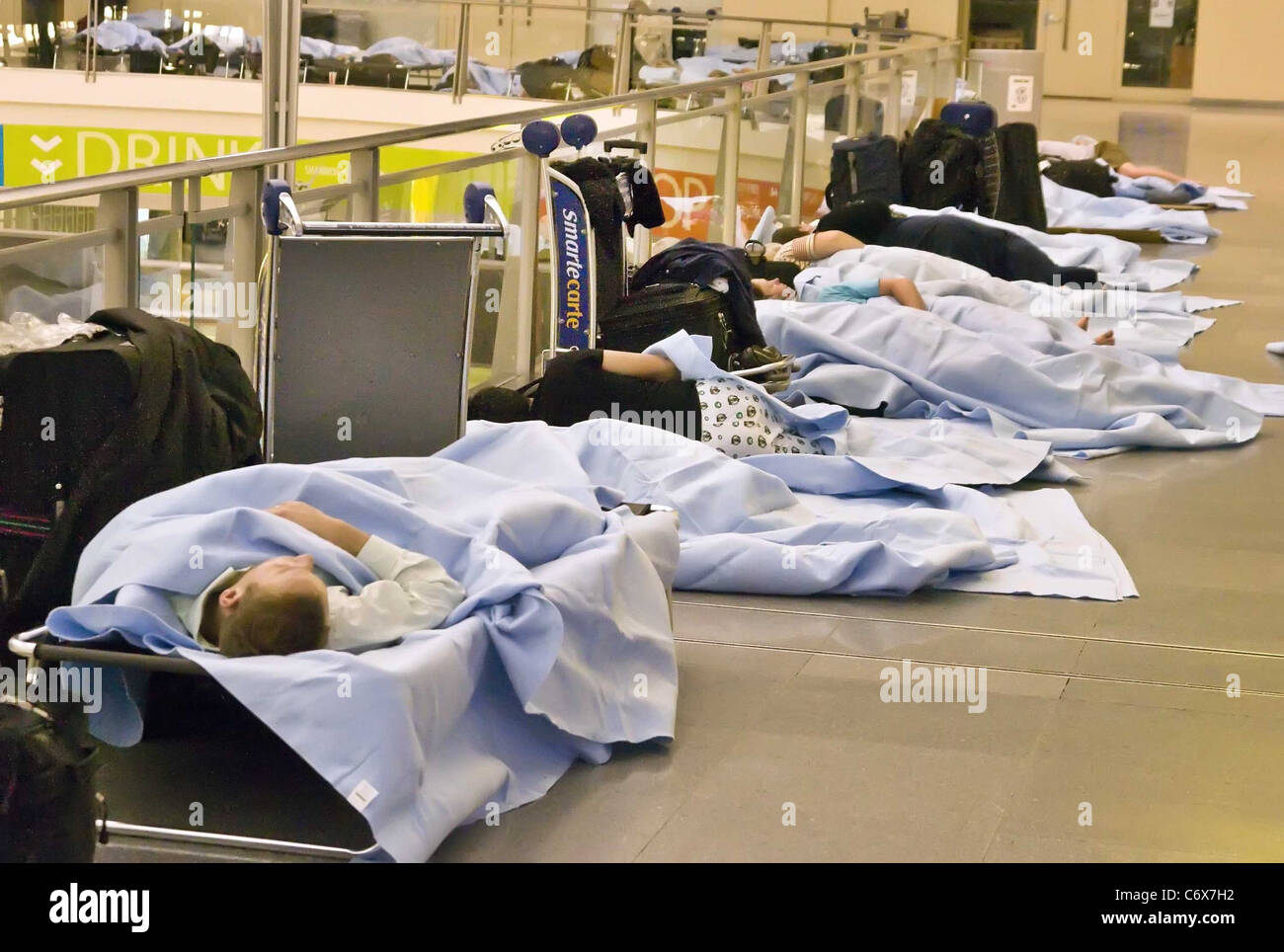
The immediate aftermath of the crackdown has been a mixture of relief and chaos. For the average passenger, the news that Punjab authorities sealed over 20 bus terminals in Lahore over overcharging violations is a welcome sign that the government is attentive to their struggles. However, the sudden closure of multiple terminals has left some travelers stranded or forced them to seek alternative, often more expensive, private options.
Short-Term Disruptions
- Stranded Passengers: Travelers arriving at sealed terminals have faced confusion and delays in securing alternative transport.
- Increased Pressure on Remaining Terminals: With 20+ terminals closed, the remaining operational hubs have seen a surge in crowds, leading to temporary congestion.
- Price Spikes in Unregulated Sectors: Some unregulated “taxi” or “van” services have attempted to capitalize on the terminal closures by raising their own rates.
Long-Term Benefits
Despite the initial friction, the long-term implications are overwhelmingly positive. By removing lousy actors from the market, the government is forcing the remaining operators to adhere to the law. This creates a “deterrence effect,” where terminals that were previously overcharging now self-correct their pricing to avoid the risk of being sealed.
this action empowers the consumer. When passengers know that the government is actively monitoring fares, they are more likely to demand official receipts and report violations, creating a community-led layer of accountability.
Stakeholder Perspectives: A Divided View
The crackdown has sparked a debate between different stakeholders in the transport ecosystem, each presenting a different narrative regarding the fairness and efficacy of the move.
The Government’s Position
From the perspective of the Punjab provincial administration, the priority is the protection of the citizen. The government argues that transport is a basic necessity and that allowing private operators to dictate prices arbitrarily is a violation of the social contract. The sealing of terminals is framed as a necessary “shock to the system” to eliminate a culture of corruption and greed.
The Transport Operators’ Grievance
On the other side, bus terminal owners and fleet operators argue that they are being unfairly targeted. They claim that the government’s fare charts are outdated and do not reflect the current reality of operational costs. They argue that sealing a terminal—which employs dozens of workers and services hundreds of passengers—is a disproportionate response to a pricing dispute. Many operators are calling for a formal dialogue to revise fare structures in line with inflation.
The Passenger’s Plight
For the passengers, the debate is simple: they want a fair price and a reliable service. Many have shared stories of being charged double the official rate during the “Eid” rushes or during severe weather events. For them, the crackdown is not about the politics of fuel prices, but about the basic right to not be cheated.
Addressing Common Misconceptions
In the wake of such large-scale enforcement, several misconceptions often emerge. It is important to clarify these to provide a balanced view of the situation.
Misconception 1: “The government is trying to shut down private transport.”
This is incorrect. The goal is not to eliminate private operators but to regulate their behavior. The terminals are sealed temporarily as a punitive measure, not as a permanent ban on the business. Once compliance is ensured, these facilities can reopen.
Misconception 2: “Overcharging is the only reason for the closures.”
While overcharging is the primary driver, these raids often uncover secondary violations. Sealing a terminal frequently happens when inspectors also find issues with safety standards, lack of proper licensing, or failure to maintain vehicle roadworthiness certificates.
Misconception 3: “Fare charts are never updated.”
The government does update fare charts, but the process is often slower than the market’s inflation rate. The tension arises from the gap between the official update and the actual cost of doing business.
Future Outlook for Lahore’s Transport Sector
The sealing of over 20 terminals is a strong start, but it is not a permanent solution. For the transport sector in Lahore to truly stabilize, several systemic changes are required. The current “raid-and-seal” model is a reactive strategy; a proactive strategy would involve structural reform.
One potential solution is the implementation of a mandatory digital ticketing system across all terminals in Punjab. If every ticket were issued through a government-monitored portal, overcharging would become virtually impossible, as the system would automatically reject any price exceeding the official cap. This would remove the need for manual raids and provide the government with real-time data on transport trends.
the government could introduce a “Fuel-Linked Fare Adjustment” mechanism. Instead of waiting months to update a static chart, fares could be linked to a monthly fuel index. This would allow operators to adjust prices legally and transparently, removing the incentive to overcharge in secret.
For those interested in how urban planning affects these issues, a guide to Lahore’s urban transport challenges provides further context.
Frequently Asked Questions
Why did Punjab authorities seal over 20 bus terminals in Lahore?
The terminals were sealed primarily due to widespread violations of official fare structures. Authorities found that many operators were overcharging passengers, ignoring government-mandated price lists, and exploiting commuters during peak travel times.
Can I still travel by bus in Lahore during this crackdown?
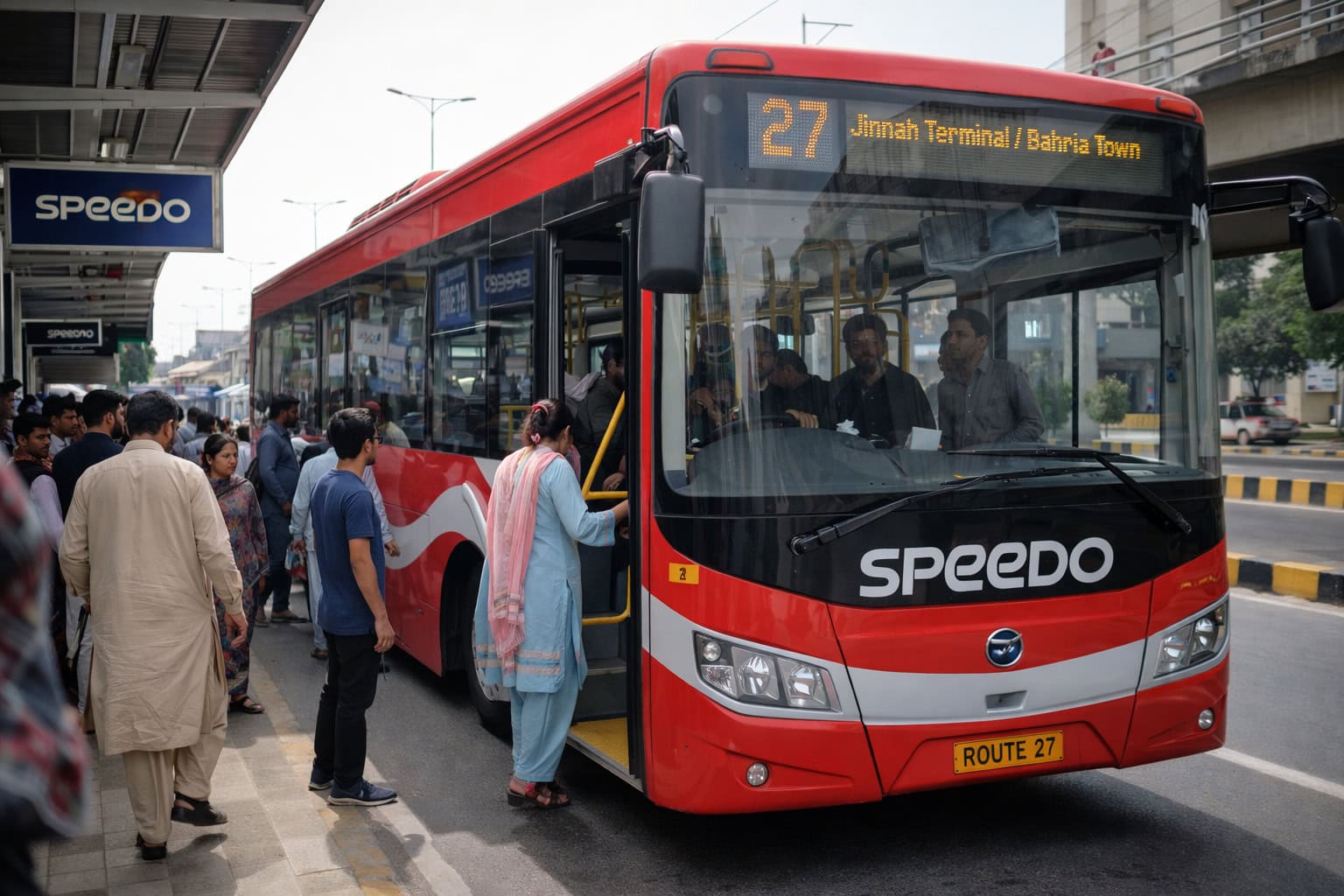
Yes, many terminals remain operational. However, some specific hubs have been sealed. Travelers are advised to check with their service providers or use official government-approved transport hubs to avoid delays.
What should I do if a bus operator tries to overcharge me?
Passengers are encouraged to demand an official, printed receipt. If the price exceeds the government-mandated fare, you can report the violation to the Punjab Transport Department or the relevant provincial helpline. Providing the terminal name and ticket number is essential for enforcement.
Will the sealed terminals reopen?
Yes, typically terminals are reopened once the management pays the required fines and provides a written guarantee of compliance with the official fare charts. The sealing is a temporary punitive measure to force legal adherence.
Who determines the bus fares in Punjab?
The provincial transport department of Punjab determines the fares. They set maximum price caps based on the distance of the route and the category of the bus service to ensure affordability for the public.
As the provincial government continues its campaign against transport malpractice, the focus remains on creating a transparent system where the law applies equally to all operators. The recent action in Lahore serves as a critical reminder that public utility services must operate with integrity, ensuring that the movement of people—the lifeblood of the city’s economy—is not hindered by illegal profit-seeking.
