
Prudence Urged on Iran Nuclear Issue: Global Diplomacy at a Crossroads
International leaders have called for measured approaches to address concerns over Iran’s nuclear activities, with renewed focus on diplomatic engagement and compliance with global nonproliferation norms. Recent statements from key stakeholders, including the United Nations Security Council, highlight the delicate balance between enforcing sanctions and fostering dialogue to prevent escalation.
What Led to the Call for Prudence?
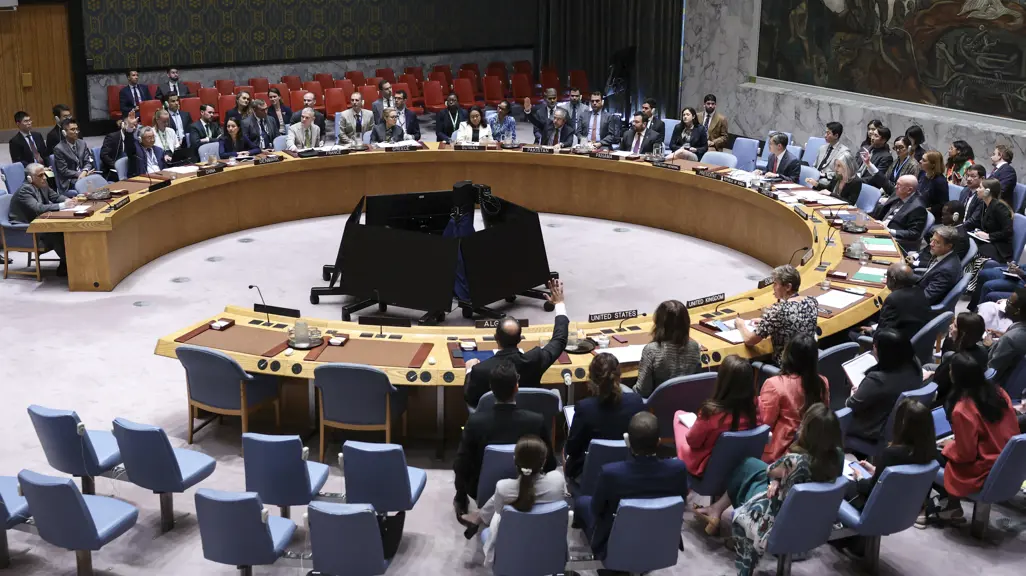
The current emphasis on prudence stems from a series of developments involving Iran’s nuclear program, which has drawn scrutiny from the international community. In late 2023, the United Nations Security Council reiterated the importance of ensuring the full implementation of reinstated sanctions against Iran, citing concerns over potential violations of nuclear nonproliferation agreements. France, the United States, and the United Kingdom have all issued statements underscoring the need for a coordinated response.
According to a recent UN Security Council briefing, the resurgence of tensions in the region has prompted calls for caution. “The international community must avoid actions that could destabilize the situation further,” said a representative from the French mission to the UN. “Prudence is essential to prevent unintended consequences.”
The context of these remarks includes Iran’s evolving nuclear capabilities and its interactions with regional powers. Analysts note that while Iran has maintained its adherence to the 2015 Joint Comprehensive Plan of Action (JCPOA), its recent activities—such as increased uranium enrichment—have raised questions about its long-term compliance. The UN Security Council’s procedural vote in October 2023, which preceded a briefing on nonproliferation, reflected growing concerns about the need for transparency and accountability.
Key Stakeholders and Their Positions
The debate over Iran’s nuclear program involves a complex web of actors, each with distinct priorities and perspectives. The United States, the UK, and France have consistently emphasized the importance of sanctions as a deterrent against nuclear proliferation. However, their approaches differ in tone and strategy.
The U.S. Mission to the UN has emphasized that “the full and effective implementation of reinstated UN sanctions on Iran remains essential to ensure compliance with international obligations.” This stance aligns with the broader U.S. policy of maintaining pressure on Iran until it fully adheres to nonproliferation principles.
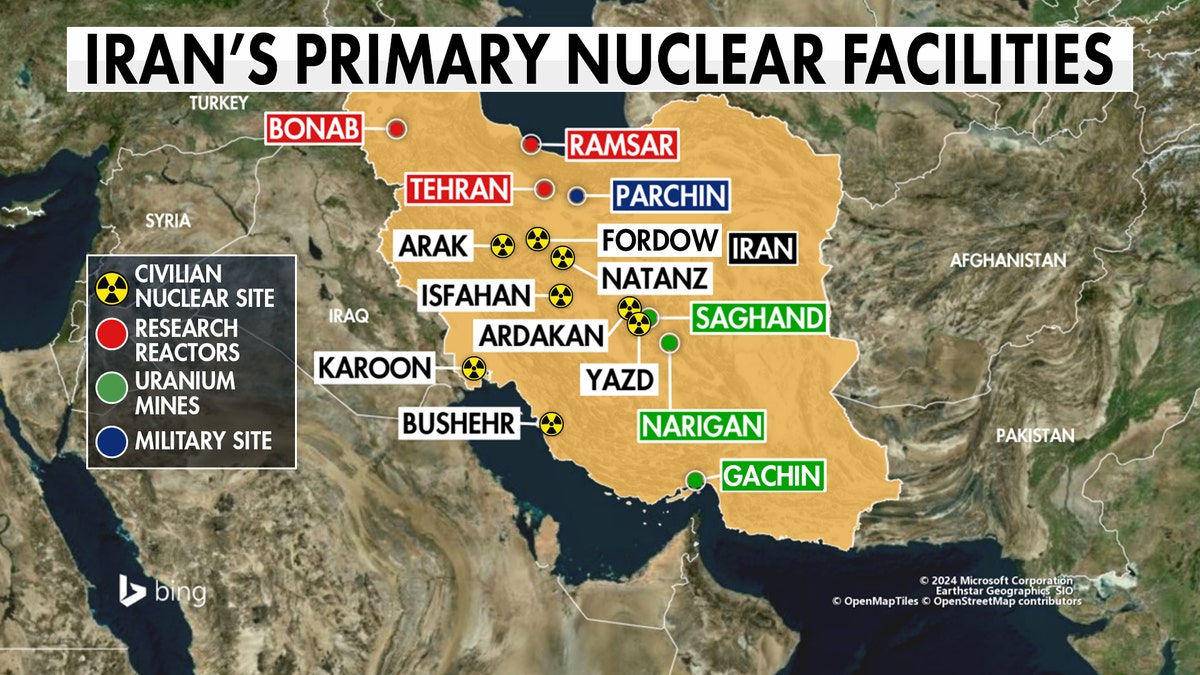
In contrast, the UK has called for a more nuanced approach, advocating for “diplomatic engagement alongside enforcement mechanisms.” A UK government statement noted, “While sanctions are a necessary tool, they must be paired with opportunities for dialogue to address underlying issues.” This perspective reflects a broader European strategy that seeks to balance deterrence with the possibility of renewed negotiations.
China and Russia, meanwhile, have taken a more cautious stance, urging restraint and highlighting the risks of escalating tensions. Both countries have expressed concerns about the potential for military conflict and have advocated for a multilateral framework to address the issue. Their positions underscore the geopolitical complexities of the situation, as regional powers navigate their own strategic interests.
How Does the Global Community Respond?
The international response to Iran’s nuclear program has been marked by a mix of enforcement, dialogue, and strategic calculations. The UN Security Council has played a central role in shaping the global approach, with member states often divided over the best path forward.
One of the key challenges is ensuring that sanctions are both effective and proportionate. According to a 2023 report by the International Atomic Energy Agency (IAEA), Iran has maintained a “safeguards-compliant” nuclear program, but concerns remain about the potential for covert activities. The IAEA has called for increased transparency, stating that “accurate and timely information is critical to assessing compliance.”
Regional actors also play a significant role in shaping the narrative. Israel, for example, has consistently raised alarms about Iran’s nuclear ambitions, with officials warning that “any delay in addressing the threat could have catastrophic consequences.” In contrast, Gulf Cooperation Council (GCC) states have advocated for a more diplomatic approach, emphasizing the need to avoid further destabilization of the region.
The European Union has sought to mediate between these positions, promoting a “dual track” strategy that combines sanctions with offers of economic incentives. A recent EU statement highlighted the importance of “maintaining a united front while leaving the door open for dialogue when conditions are met.”
What Are the Implications of Current Policies?
The current policies and diplomatic efforts surrounding Iran’s nuclear program carry significant implications for global security, regional stability, and international cooperation. Analysts warn that a failure to address the issue effectively could lead to a breakdown in nonproliferation norms and increased militarization in the Middle East.
One of the primary risks is the potential for miscalculation. A 2023 study by the RAND Corporation found that “the absence of clear communication channels between key stakeholders increases the likelihood of unintended escalation.” This risk is particularly acute given the historical tensions between Iran and Western powers, as well as the involvement of regional actors with competing interests.
Economically, the sanctions regime has had a measurable impact on Iran’s ability to access global markets. According to a World Bank report, Iran’s GDP growth has slowed in recent years, partly due to trade restrictions. However, the effectiveness of these measures remains debated, with some experts arguing that they have not achieved their intended goal of curbing Iran’s nuclear ambitions.
Politically, the issue has strained relationships between major powers. The U.S.-China dynamic, for instance, has been tested by differing approaches to Iran. While the U.S. has prioritized sanctions, China has emphasized the importance of “constructive engagement.” These divergences highlight the challenges
