
Misinformed parents overdosing children with Vitamin A to fight measles – Genetic Literacy Project
Reports of Vitamin A poisoning in children increased by 38.7% during a 2025 measles outbreak, according to data cited by the Genetic Literacy Project and other news outlets. This surge in toxicity cases coincided with the spread of medical misinformation, including claims promoted by Robert F. Kennedy Jr., which incorrectly framed the supplement as a cure for the virus.
Why did Vitamin A poisoning cases rise during the 2025 measles outbreak?
Poison center reports indicate a sharp rise in supplement-related emergencies as parents attempted to treat measles infections at home using high doses of Vitamin A. According to reports from the New York Post and Medical Xpress, these poisonings rose by nearly 40% during the outbreak period. The trend is attributed to a wave of misinformation that characterized the vitamin not as a supportive nutrient, but as a primary cure for the measles virus.
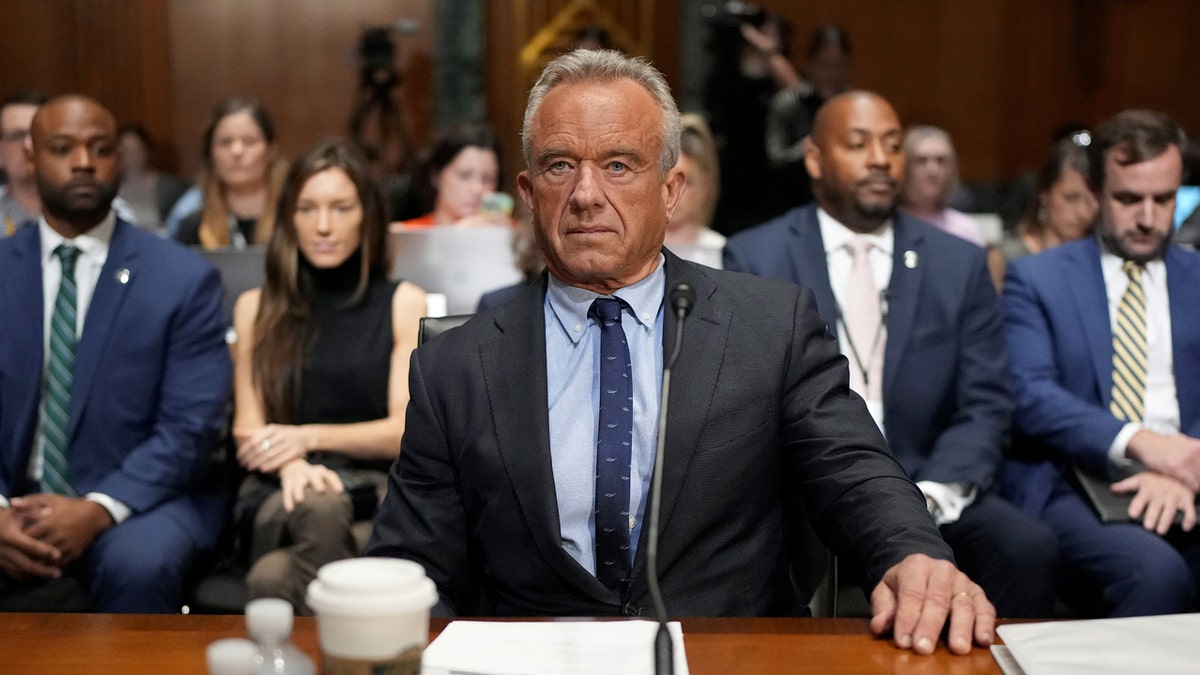
The Genetic Literacy Project notes that this trend was amplified by public figures, specifically Robert F. Kennedy Jr., who promoted Vitamin A as a treatment. This promotion led some parents to bypass professional medical guidance and administer doses that exceeded safe pediatric limits, resulting in acute toxicity.
Medical professionals distinguish between clinical supplementation and unsupervised overdosing. While the World Health Organization (WHO) recommends specific Vitamin A doses for children diagnosed with measles to reduce complications, these are administered under strict medical supervision. The 2025 spike involved parents administering these substances without a diagnosis or professional dosing schedules.
| Source | Reported Increase in Vitamin A Poisonings | Context Provided |
|---|---|---|
| geneonline.com | 38.7% | Occurred during 2025 measles outbreak |
| Medical Xpress | Almost 40% | Linked to measles misinformation spread |
| New York Post | 39% | Touted incorrectly as a “measles cure” |
How does misinformation about Vitamin A spread?
The spread of misinformation regarding Vitamin A often relies on a “grain of truth” strategy. According to the Genetic Literacy Project, proponents of the supplement as a cure often reference the actual medical use of Vitamin A in treating measles complications in developing nations. However, they strip away the clinical context—such as the necessity of a confirmed diagnosis and the precision of the dosage—to suggest that high-dose supplements can replace vaccines or standard medical care.
Robert F. Kennedy Jr. is cited by People.com as a key figure who promoted the supplement as a treatment, which coincided with the rise in poison center reports. This type of high-profile promotion can lead to a “cascade effect,” where parents share the advice across social media platforms, bypassing traditional healthcare providers. When these claims are presented as “hidden” or “suppressed” medical knowledge, they gain more traction among populations already skeptical of pharmaceutical interventions.
The danger increases when the supplement is framed as a “cure.” In medical terms, a cure eliminates the cause of a disease. Vitamin A does not kill the measles virus; it is used to treat the damage the virus does to the eyes and respiratory system. Misrepresenting a supportive therapy as a cure encourages parents to delay seeking professional care, increasing the risk of both the disease and the supplement’s toxicity.
What are the risks of Vitamin A toxicity in children?
Vitamin A is a fat-soluble vitamin, meaning the body stores excess amounts in the liver rather than excreting them through urine. When children receive doses far exceeding the Recommended Dietary Allowance (RDA), they can develop hypervitaminosis A. This condition can be acute or chronic, depending on the dosage and duration of the intake.
According to clinical data, acute Vitamin A toxicity in children can manifest through several severe symptoms:
- Increased Intracranial Pressure: This can lead to severe headaches, nausea, vomiting, and blurred vision.
- Bulging Fontanelles: In infants, the soft spot on the head may bulge due to increased pressure in the brain.
- Skin Peeling: Large areas of skin may peel or become severely dry and cracked.
- Liver Damage: Excessive storage of Vitamin A can lead to hepatotoxicity, potentially causing liver failure in extreme cases.
Because the symptoms of Vitamin A toxicity—such as vomiting and lethargy—can sometimes overlap with the symptoms of the measles virus itself, there is a risk that parents may misinterpret the signs of poisoning as a worsening of the infection, leading them to administer even more of the supplement.
“Vitamin A poisonings rose almost 40% as measles misinformation spread in 2025,” as reported by Medical Xpress, highlighting the direct correlation between public health misinformation and pediatric emergencies.
Comparing the reporting across news outlets
The coverage of this event across different media outlets reveals a consistent data point but varying focuses. The New York Post emphasizes the “incorrectly touted” nature of the cure, focusing on the deception inherent in the misinformation. Medical Xpress and geneonline.com provide the specific statistical increase (38.7% to 39%), framing the story as a public health data trend.

People.com specifically links the timing of the poisoning spike to the promotional activities of Robert F. Kennedy Jr., adding a layer of political and personal accountability to the medical data. The Genetic Literacy Project frames the issue through the lens of scientific literacy, suggesting that the crisis is a result of a failure to understand the difference between a clinical supplement and a home remedy.
This contrast shows that while the factual core—a ~39% increase in poisonings—is undisputed across sources, the narrative varies from a warning about specific influencers to a broader critique of how scientific information is consumed by the public.
The role of vaccines vs. supplements in measles prevention
The rise in Vitamin A overdoses occurs against a backdrop of declining vaccination rates in certain communities. Public health officials emphasize that supplements cannot prevent the contraction of measles. The only verified method for preventing the disease is the MMR (measles, mumps, and rubella) vaccine.
The misinformation cycle often suggests that “boosting the immune system” with vitamins is a viable alternative to vaccination. However, this is a biological fallacy. Vaccines train the immune system to recognize and fight a specific pathogen. Vitamins provide the raw materials for the immune system to function but do not provide the “blueprint” necessary to identify the measles virus.
When parents choose supplements over vaccines, they leave their children vulnerable to the virus. When they subsequently use those same supplements as a “cure” after the child becomes ill, they introduce the secondary risk of toxicity. This creates a dual-threat scenario: the primary danger of the measles virus and the secondary danger of supplement poisoning.
For more information on how vaccines work, you may find a related explainer on immunization science helpful.
How to identify reliable medical information during an outbreak
The 2025 spike in Vitamin A poisonings serves as a case study in the dangers of anecdotal medical advice. To avoid the pitfalls of misinformation, health experts suggest several verification steps:
- Check the Source: Is the advice coming from a peer-reviewed study, a government health agency (like the CDC or WHO), or a public figure without medical credentials?
- Look for Dosage Warnings: Legitimate medical advice regarding supplements will always include specific dosage limits and warnings about toxicity.
- Beware of “Cure” Language: Be skeptical of any supplement marketed as a “cure” for a viral infection. Viruses are managed through prevention (vaccines) or supportive care; they are rarely “cured” by a single vitamin.
- Consult a Pediatrician: Before administering any high-dose supplement to a child, a healthcare provider must verify the need based on the child’s weight, age, and current health status.
The Genetic Literacy Project highlights that the ability to discern these differences is a critical component of modern health literacy. In an era of rapid information sharing, the gap between a clinical recommendation and a social media post can be the difference between a recovery and a poison center visit.
Frequently Asked Questions
Is Vitamin A ever used to treat measles?
Yes, but only in a clinical setting. According to the World Health Organization (WHO), Vitamin A is administered to children with measles to help prevent blindness and reduce the risk of death. However, this is done using precise, medical-grade dosages administered by healthcare professionals, not via over-the-counter supplements managed by parents.
What is the difference between a supplement and a cure?
A supplement provides nutrients that support bodily functions or treat a deficiency. A cure is a treatment that eliminates a disease entirely. Vitamin A supports the body’s recovery from measles damage but does not kill the measles virus or cure the infection.
What are the signs of Vitamin A overdose in children?
Common signs include severe headaches, nausea, vomiting, irritability, and skin peeling. In infants, a bulging soft spot (fontanelle) on the head is a serious warning sign of increased intracranial pressure due to toxicity.
Why is Vitamin A more dangerous in high doses than other vitamins?
Vitamin A is fat-soluble, meaning it is stored in the liver and fatty tissues. Unlike water-soluble vitamins (like Vitamin C), which the body flushes out through urine if taken in excess, Vitamin A builds up in the system, leading to toxicity over time or during a single massive dose.
How can I tell if a health claim is misinformation?
Be wary of claims that use absolute terms like “miracle cure,” “secret treatment,” or “hidden truth.” Check if the claim is backed by a named medical institution or a peer-reviewed study rather than a single individual’s testimonial or a public figure’s promotion.
