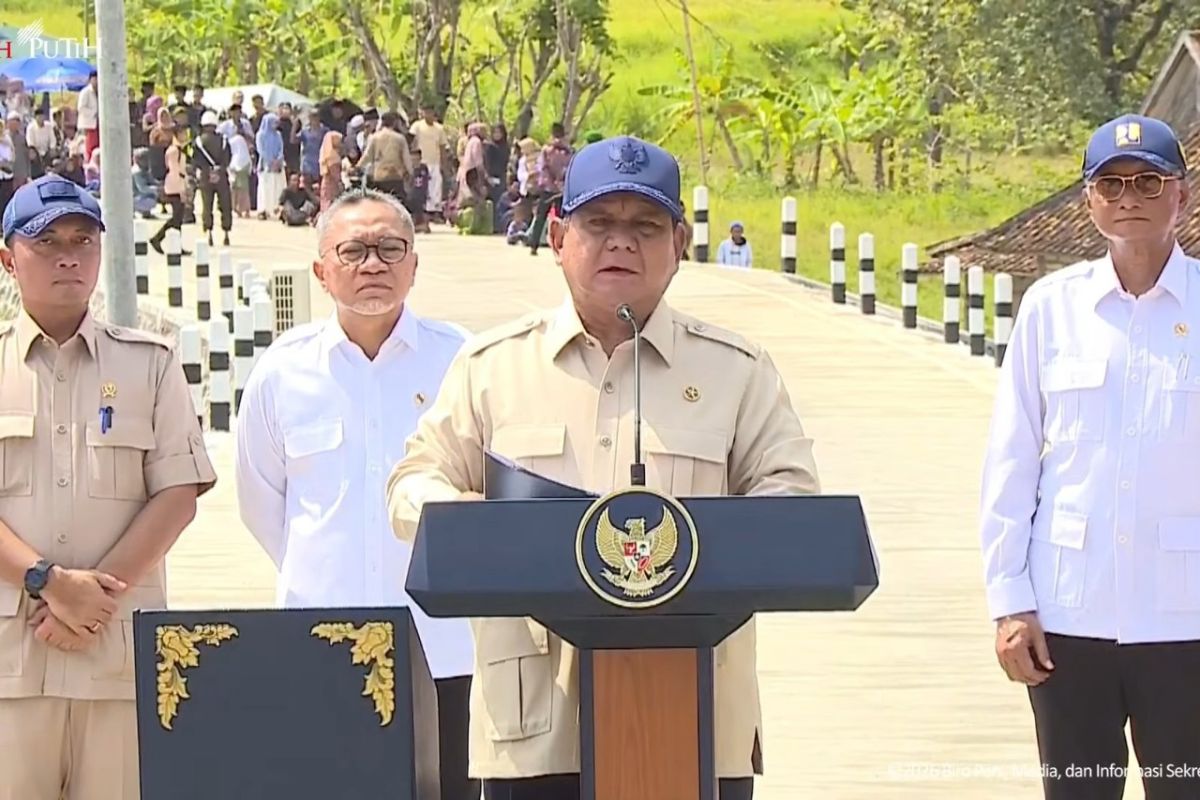
President Inaugurates 1,151 Km Regional Roads Lowering Logistic Costs – ANTARA News
President Prabowo has inaugurated 1,151 kilometers of regional roads across 37 provinces to reduce national logistics costs and stimulate economic growth. The move, reported by ANTARA News and the Jakarta Globe, aims to improve connectivity between production centers and markets, coinciding with the President’s visit to East Java for infrastructure events and a Nahdlatul Ulama (NU) conference.
How will 1,151 km of new regional roads lower logistics costs?
The inauguration of 1,151 kilometers of regional roads is designed to eliminate bottlenecks in the transport of goods and services across the Indonesian archipelago. According to reports from ANTARA News, the primary objective of this infrastructure push is the reduction of logistics costs, which historically remain high in Indonesia due to the country’s fragmented geography.
By improving the quality and reach of regional roads, the government intends to shorten travel times and reduce vehicle maintenance costs for transport operators. When regional roads are paved and modernized, the “last mile” of delivery—the journey from a main highway to a village or local warehouse—becomes more efficient. This directly impacts the final price of consumer goods and the competitiveness of local products in larger markets.
The scale of the project is significant, covering 37 provinces. This wide distribution suggests a strategy to decentralize economic activity away from the primary hubs of Java and Sumatra, pushing development into the eastern and outlying regions of the country.
- Reduced Transit Time: Better roads allow for higher average speeds and fewer delays.
- Lower Vehicle Wear: Paved surfaces reduce the frequency of repairs for heavy-duty logistics trucks.
- Market Access: Farmers and small-scale producers in remote provinces can reach distributors more reliably.
Where did the inauguration take place and what other events occurred?
President Prabowo traveled to East Java to lead the infrastructure events. As reported by Tempo.co English and ANTARA News, the trip served a dual purpose: the official inauguration of the road projects and attendance at a conference hosted by Nahdlatul Ulama (NU), the largest Islamic organization in Indonesia.
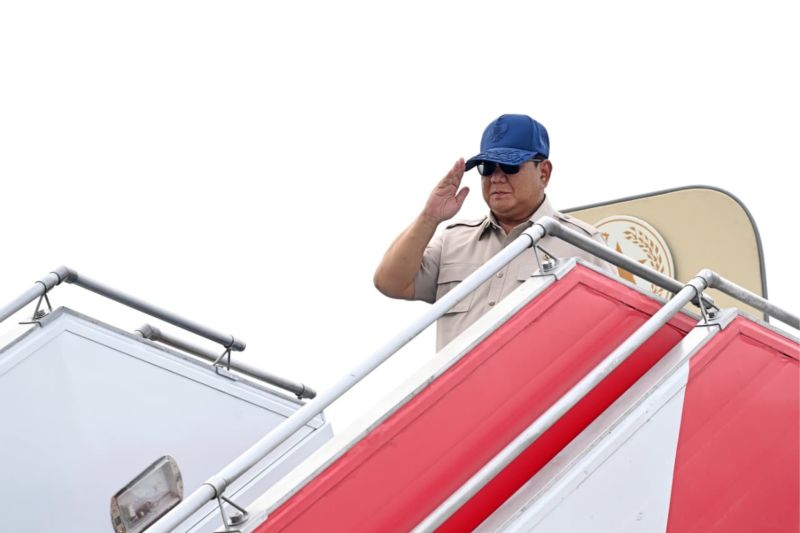
The decision to combine an infrastructure launch with a religious and social gathering at the NU conference highlights the administration’s effort to align physical development with social and community engagement. East Java serves as a critical economic engine for the country, making it a strategic location for announcing broader national connectivity goals.
“President Prabowo heads to East Java for infrastructure and NU events,” as noted in reports from ANTARA News, emphasizing the intersection of governance, development, and community leadership.
What are the funding implications for future Indonesian development?
Beyond the immediate inauguration of the 1,151 km of roads, President Prabowo has committed to expanding the financial resources available for national growth. According to ANTARA News, the President vowed to increase development funds across Indonesia to ensure that infrastructure projects are not limited to a few priority areas but are spread equitably across all regions.
This commitment suggests a shift toward more aggressive public spending on capital projects. Increasing development funds typically involves a mix of state budget allocations (APBN), regional budgets, and potentially public-private partnerships. The goal is to create a sustainable cycle where infrastructure leads to economic activity, which in turn generates more tax revenue to fund further development.
| Project Detail | Specification | Reported Source |
|---|---|---|
| Total Road Length | 1,151 Kilometers | ANTARA News / Jakarta Globe |
| Geographic Reach | 37 Provinces | Jakarta Globe |
| Primary Goal | Lowering Logistic Costs | ANTARA News |
| Key Location | East Java | Tempo.co / ANTARA News |
Why is regional road connectivity critical for Indonesia’s economy?
Indonesia’s status as an archipelagic nation creates inherent logistical challenges. While the central government has focused heavily on “toll roads” (jalan tol) in recent years, regional roads act as the essential arteries that connect those highways to the actual points of production, such as farms, mines, and factories.
According to the data provided by the Jakarta Globe, the fact that these roads span 37 provinces indicates an effort to address “regional disparity.” When logistics costs are high, goods produced in Papua or Kalimantan become more expensive than imported goods or those produced in Java, even if the local production cost is lower. By lowering these costs, the government aims to make domestic trade more viable than importing from abroad.
The “Last Mile” Problem
Logistics experts often cite the “last mile” as the most expensive part of the supply chain. In many Indonesian provinces, the transition from a national highway to a regional road often involves a drop in road quality, leading to slower speeds and higher risk of cargo damage. The 1,151 km of newly inaugurated roads specifically target these regional gaps to ensure a seamless flow of goods.

Impact on Inflation
High logistics costs are a primary driver of food inflation in Indonesia. When it costs more to move rice or corn from a producing province to a consuming city, prices rise for the end consumer. The administration’s focus on lowering these costs is a direct attempt to stabilize food prices and increase the purchasing power of the general population.
How does this project compare to previous infrastructure efforts?
While previous administrations focused heavily on massive, high-visibility projects like the Trans-Java Toll Road or the New Capital City (IKN), the current focus on 1,151 km of regional roads across 37 provinces represents a shift toward “capillary” infrastructure. This approach prioritizes breadth over singular massive projects.
By distributing the project across nearly every province in the country, the administration is signaling a policy of inclusive growth. Rather than concentrating wealth in a few urban corridors, the focus is now on ensuring that the periphery is connected to the center. This is a critical distinction in how the government is framing its development narrative: moving from “mega-projects” to “regional empowerment.”
For further context, readers may find a related explainer on Indonesian infrastructure trends useful to understand the transition from toll-road dominance to regional road expansion.
What are the potential challenges in maintaining these roads?
The inauguration of roads is only the first step; the long-term impact on logistics costs depends on maintenance. Regional roads often face heavier wear and tear than expected due to the passage of overweight trucks carrying raw materials like palm oil or minerals.
To sustain the benefits of the 1,151 km project, the government must ensure that the “increased development funds” mentioned by President Prabowo include allocations for recurring maintenance, not just initial construction. Without a strict maintenance schedule, the logistics costs that were lowered today could rise again as roads deteriorate.
- Weight Limits: Implementing and enforcing axle load limits to prevent premature road failure.
- Regional Oversight: Ensuring provincial governments have the budget to manage their specific segments of the 37-province network.
- Climate Resilience: Building roads that can withstand Indonesia’s heavy tropical rainfall and flood patterns.
Frequently Asked Questions
How many kilometers of road were inaugurated?
President Prabowo inaugurated 1,151 kilometers of regional roads, according to reports from ANTARA News and the Jakarta Globe.
Which provinces are affected by this project?
The project spans 37 provinces across Indonesia, ensuring a wide geographical distribution of infrastructure improvements.
What is the main economic goal of these new roads?
The primary goal is to lower logistics costs, which helps reduce the price of goods and makes local products more competitive.
Why did the President visit East Java?
The President visited East Java for two main reasons: to lead the infrastructure inauguration events and to attend a conference hosted by Nahdlatul Ulama (NU).
Will there be more funding for infrastructure?
Yes, President Prabowo has vowed to increase development funds across Indonesia to further support national growth and connectivity, as reported by ANTARA News.
The integration of these regional roads into the national network marks a strategic move to synchronize economic growth across the archipelago. By focusing on the 37 provinces and the specific goal of lowering logistics costs, the administration is targeting the structural inefficiencies that have long hindered Indonesia’s internal trade. The success of this initiative will likely be measured by the subsequent stability of commodity prices and the growth of regional GDPs outside of the Java center.
