
Vatican releases schedule for Pope’s Consistory with Cardinals – Vatican News
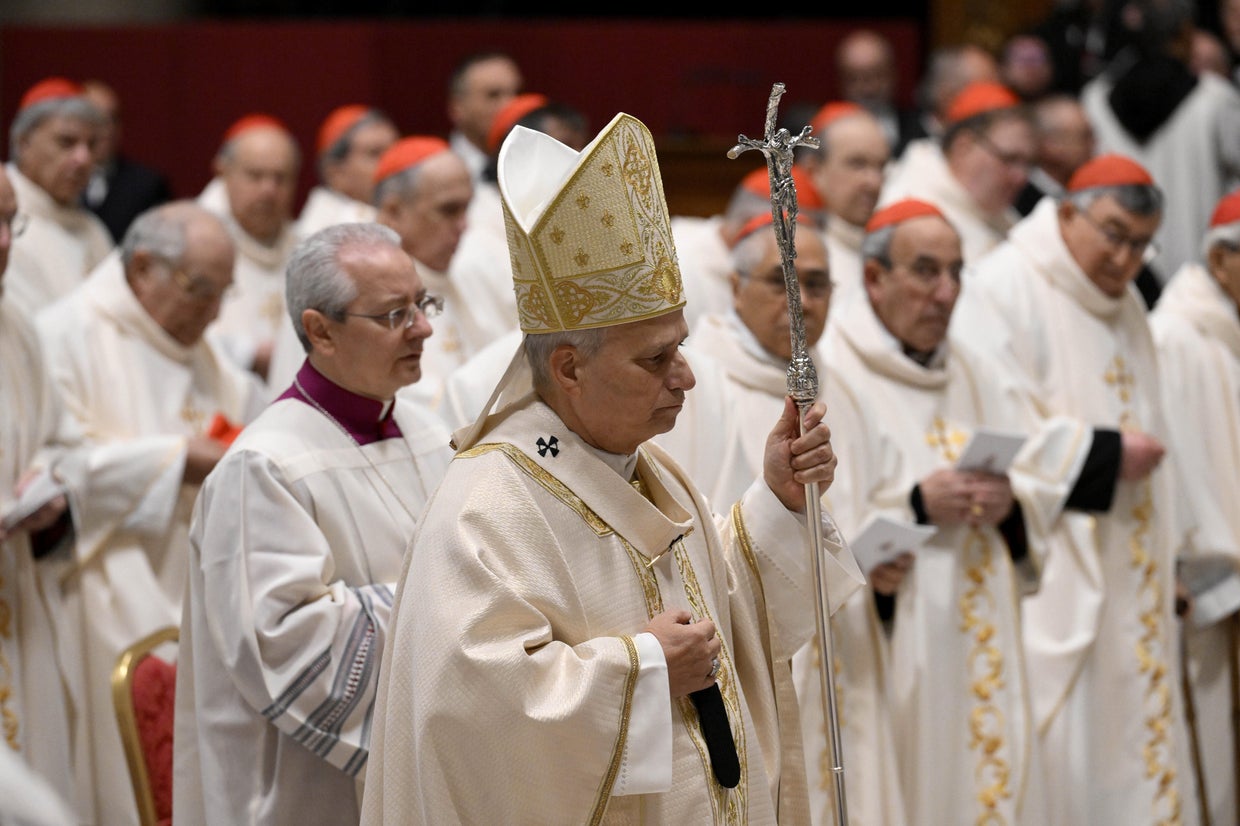
The Vatican has released the official schedule for Pope Leo XIV’s upcoming Consistory with the Cardinals, according to Vatican News. The gathering will utilize twenty specialized working groups and a strict mandate of confidentiality, though reports from The Catholic Thing indicate a planned debate on Just-War theory may be removed from the June agenda.
What is the schedule for Pope Leo XIV’s Consistory?
Vatican News has confirmed the release of the formal itinerary for the upcoming Consistory, the assembly where the Pope meets with his College of Cardinals. While the official schedule outlines the logistical flow of the event, external reports provide a deeper look at the structural mechanics of the meeting. According to Silere Non Possum, the Pope has organized the assembly into twenty distinct working groups designed to tackle specific administrative and theological challenges.
The use of these working groups suggests a shift toward a more decentralized method of consultation. This structure allows the Pope to gather targeted input on a variety of issues before making final decrees. However, Silere Non Possum also notes that the proceedings are governed by a strict rule of confidentiality, limiting the amount of information that will be shared with the public in real-time.
Key logistical elements of the Consistory include:
- Working Group Sessions: Twenty separate committees focusing on specific dossiers.
- Confidentiality Protocols: Strict mandates to ensure internal deliberations remain private.
- Plenary Meetings: General sessions where the Pope addresses the full body of Cardinals.
How does this Consistory reflect Pope Leo XIV’s governance style?
The organizational structure of the Consistory offers a window into the papacy of Leo XIV. According to an analysis by The Pillar, the way the Pope manages these gatherings reveals a specific style of governance characterized by a preference for structured, consultative processes. The Pillar suggests that by utilizing working groups, Leo XIV is attempting to balance the absolute authority of the papacy with a more collaborative approach to leadership.
This approach is often linked to the concept of “synodality”—the process of listening and walking together. The Survivors Network of those Abused by Priests observes that “synodality Leo-style” holds a certain promise for the Church’s future. However, the organization argues that the success of this governance style will not be measured by the schedule of meetings, but by the tangible results regarding the clerical abuse crisis.
The contrast in governance can be summarized as follows:
| Governance Aspect | Official Approach (Vatican News) | External Analysis (The Pillar/Survivors Network) |
|---|---|---|
| Structure | Scheduled Consistory and formal agenda. | Consultative, group-based decision making. |
| Method | Traditional assembly of Cardinals. | “Synodality Leo-style” focused on listening. |
| Goal | Administrative and spiritual guidance. | A test of accountability and systemic reform. |
Why is the clerical abuse crisis a central point of contention?
While the official schedule may focus on administrative tasks, the Survivors Network of those Abused by Priests asserts that the clerical abuse crisis remains the “real test” for Pope Leo XIV. The organization argues that any claim of a more open or synodal governance style is hollow if it does not result in transparent accountability for those who enabled abuse.
The Network suggests that the Consistory provides a critical opportunity for the Pope to implement systemic changes. The tension here lies between the Vatican’s preference for confidentiality—as reported by Silere Non Possum—and the survivors’ demand for transparency. For the Survivors Network, the gap between the private deliberations of twenty working groups and the public need for justice is where the papacy’s credibility will be decided.
The stakes for the Church include:
- Institutional Trust: Whether the “Leo-style” of governance can restore faith among the laity.
- Legal Accountability: The degree to which the Consistory addresses the prosecution of negligent bishops.
- Survivor Integration: Whether the consultative process actually includes the voices of those harmed.
What is the ‘traditionalist’ campaign against Leo XIV?
The Consistory is taking place against a backdrop of internal ideological conflict. Silere Non Possum reports the existence of a “traditionalist” campaign actively working against the direction of Leo XIV’s papacy. This campaign consists of factions within the Church who view the Pope’s consultative and synodal approach as a departure from traditional ecclesiastical authority.
These traditionalist elements reportedly oppose the decentralized nature of the working groups and the broader move toward synodality. According to Silere Non Possum, this campaign seeks to preserve a more hierarchical, top-down model of governance and views the current trajectory as a risk to doctrinal stability. The confidentiality of the Consistory may be intended, in part, to manage these internal frictions away from the public eye.
This internal struggle highlights a broader divide within the College of Cardinals: those who support a modernized, listening Church and those who believe such changes undermine the divine mandate of the papacy.
Will the Just-War debate be removed from the agenda?
One of the most significant potential shifts in the Consistory’s focus involves the Church’s stance on conflict and violence. According to The Catholic Thing, a confidential letter sent to the Cardinals suggests that the debate over “Just-War” theory may no longer be on the June Consistory agenda.
Just-War theory is the theological framework used to determine when it is morally permissible to engage in war. The potential removal of this topic suggests a strategic pivot by the Vatican. The Catholic Thing indicates that the decision to sideline this debate could be a response to the volatile geopolitical climate or an attempt to avoid divisive internal disagreements among the Cardinals.
The implications of removing this debate include:
- Diplomatic Signaling: A move away from the topic could signal a desire to avoid taking a hard line on current global conflicts.
- Theological Stagnation: Critics may argue that the Church is avoiding a necessary evolution of its moral teaching on war.
- Agenda Prioritization: It suggests that other issues, such as the abuse crisis or administrative reform, have taken precedence.
Related explainer on [the history of Just-War theory in the Catholic Church].
How does the use of working groups change Vatican decision-making?
The transition to twenty working groups, as detailed by Silere Non Possum, represents a departure from traditional consistories where the Pope typically presents a set of ideas for the Cardinals to react to. In this new model, the Cardinals are tasked with the primary labor of research and proposal development within their respective groups.
This shift has several practical consequences for how the Vatican operates:
- Specialization: By dividing the Cardinals into smaller groups, the Pope can leverage specific expertise in canon law, diplomacy, or theology.
- Filtering: The working groups act as a filter, distilling complex issues into manageable recommendations for the Pope.
- Buy-in: When Cardinals are involved in the drafting process, they are more likely to support the final decision, reducing the likelihood of public dissent.
However, this model also increases the importance of who leads each working group and who controls the final synthesis of the reports. The Pillar notes that this is where the “style of governance” becomes most apparent—in the gap between the group’s recommendations and the Pope’s final decree.
Comparing official narratives and independent reporting
There is a clear divergence between how the Consistory is presented by official channels and how it is characterized by independent observers. Vatican News focuses on the order and the schedule, framing the event as a standard exercise of papal leadership. In contrast, outlets like The Catholic Thing and Silere Non Possum frame the event as a site of tension and strategic maneuvering.
The official narrative emphasizes stability and process, while the independent reports emphasize conflict and omission. For example, while Vatican News presents the schedule as a complete roadmap, The Catholic Thing highlights the “confidential letter” that suggests key topics are being quietly excised.
This contrast suggests that the Consistory is not merely an administrative meeting but a political event where the boundaries of Leo XIV’s influence are being tested. The “traditionalist” campaign mentioned by Silere Non Possum serves as a counterweight to the “synodality” praised by the Survivors Network, placing the Pope in the center of a tug-of-war between the Church’s past and its potential future.
Frequently Asked Questions
What is a Consistory in the Catholic Church?
A Consistory is a formal meeting of the College of Cardinals called by the Pope. These meetings are used to advise the Pope on significant issues facing the Church, to create new cardinals, or to discuss specific theological and administrative policies.
Why is the “Just-War” debate significant?
Just-War theory determines the moral criteria for entering a conflict. If Pope Leo XIV alters or removes this debate from the agenda, it could change how the Vatican interacts with global governments and how it views the morality of modern warfare.
What does “synodality” mean in the context of Leo XIV?
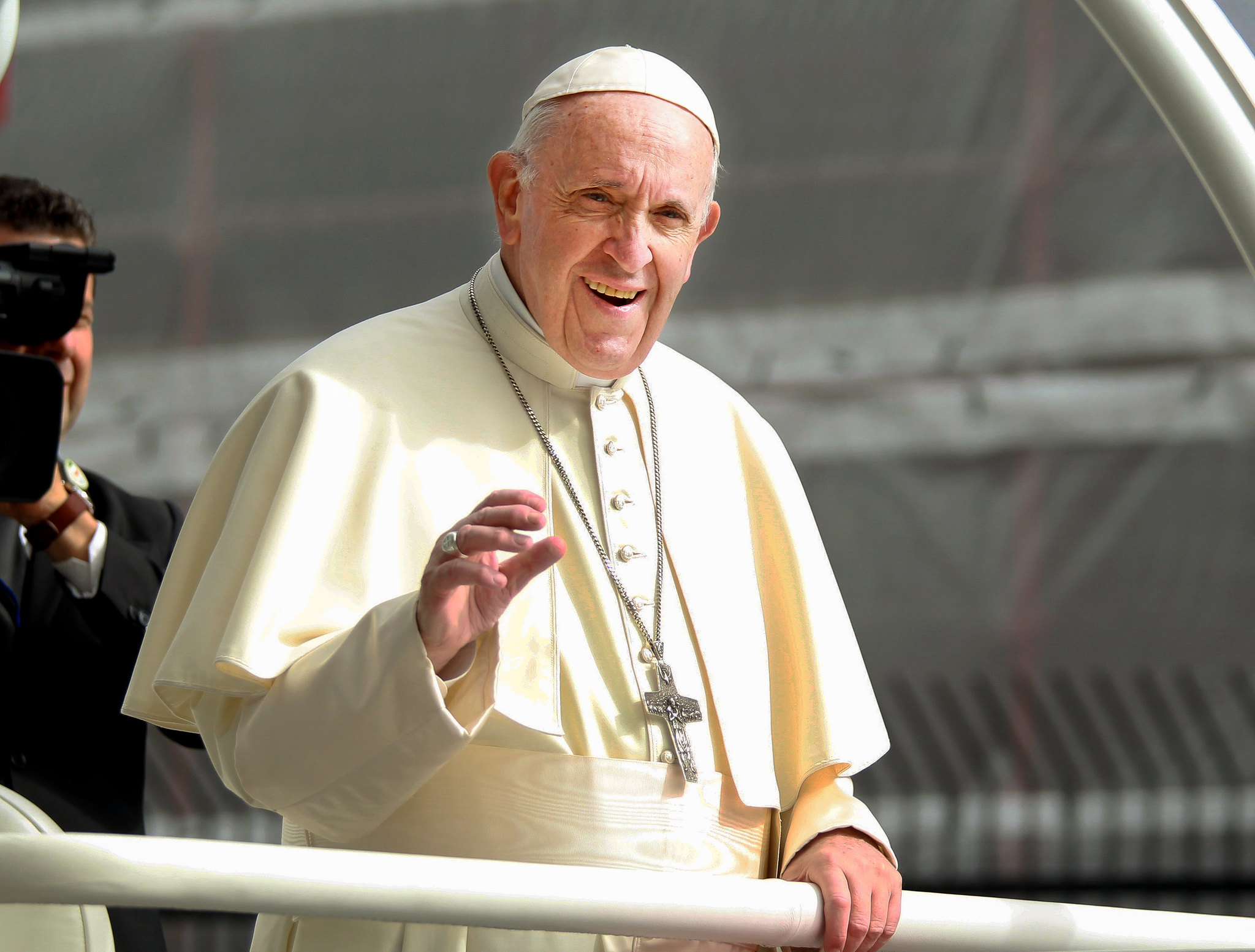
Synodality refers to a more collaborative, listening-based approach to Church governance. Under Leo XIV, this manifests as the use of working groups and consultative assemblies rather than a strictly top-down command structure.
Who are the ‘traditionalists’ mentioned in reports?
Traditionalists are members of the clergy and laity who advocate for a return to older liturgical practices and a more rigid, hierarchical interpretation of Church authority, often opposing the reforms associated with synodality.
How is the clerical abuse crisis affecting the Consistory?
While not always the primary item on the official schedule, the abuse crisis is viewed by advocacy groups, such as the Survivors Network, as the ultimate test of whether the Pope’s governance style leads to actual accountability or is merely a procedural change.
As the June dates approach, the focus will shift from the schedule released by Vatican News to the actual output of the twenty working groups. The tension between the mandate of confidentiality and the demand for transparency will likely define the public perception of the event. Observers will be watching to see if the Just-War debate is officially dropped and how the Pope addresses the traditionalist opposition within his own inner circle.
