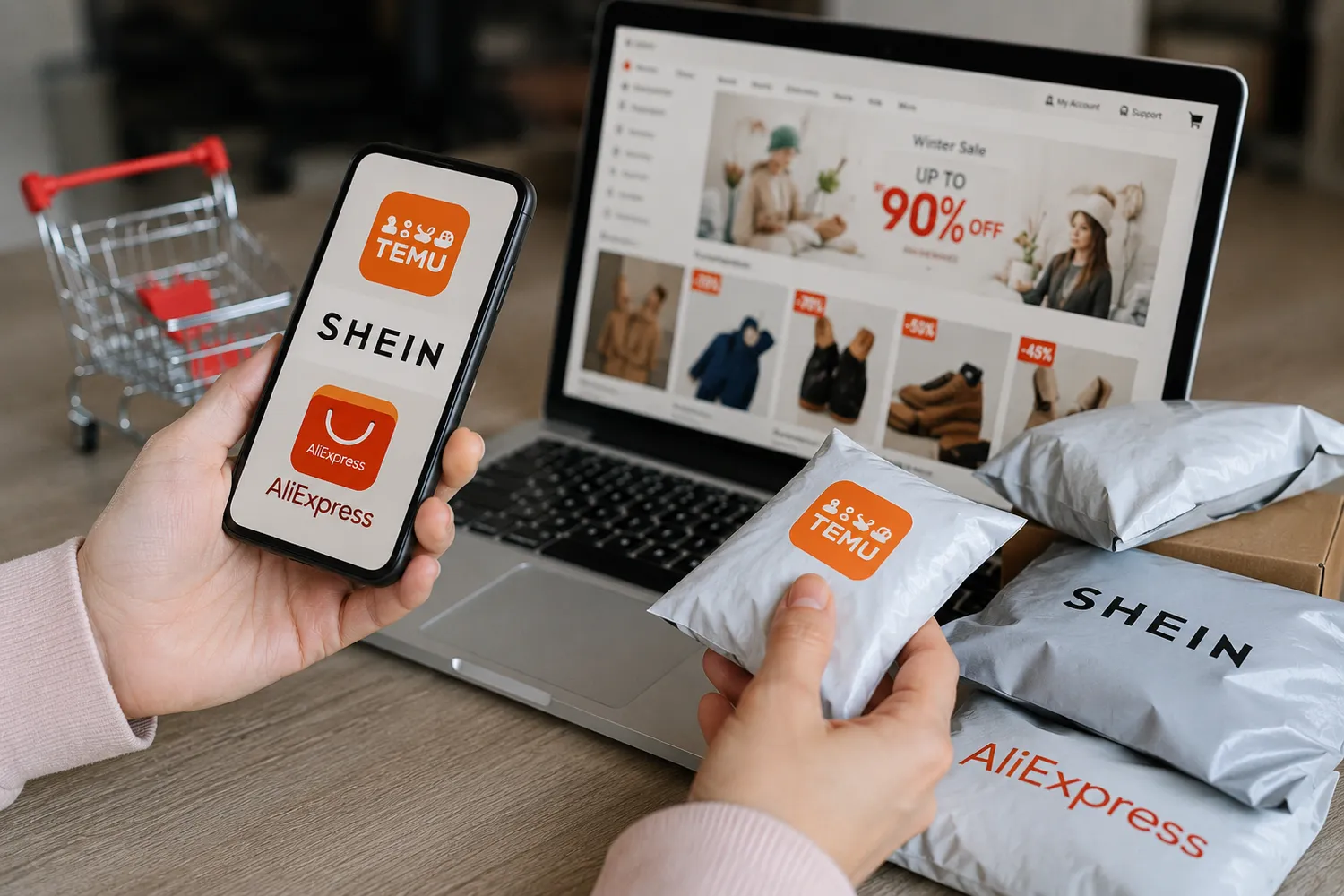
The allure of ultra-low prices on platforms like Temu, Shein and AliExpress often masks a complex set of risks that extend beyond simple product quality. While these marketplaces have disrupted global e-commerce with aggressive pricing and gamified shopping experiences, the actual cost to the consumer may be higher than the price tag suggests, particularly regarding data privacy and product safety.
- Data Privacy Risks: Concerns regarding how shopping apps collect, store, and share user data.
- Quality and Safety: Potential for products to bypass strict regional safety and environmental standards.
- Consumer Rights: Difficulties in exercising return rights or seeking recourse for defective goods.
The Hidden Cost of Data Harvesting
From a technical perspective, the “discount” offered by these platforms is often subsidized by the aggressive collection of user data. These applications frequently request broad permissions on mobile devices, allowing them to track user behavior, access contact lists, and monitor device metadata. For a software engineer, this pattern is a red flag; the volume of data collected often exceeds what is necessary for a standard transactional relationship.
Security experts have previously raised alarms about the potential for these apps to act as conduits for data scraping or to implement tracking mechanisms that persist even after the app is closed. When a product is priced significantly below market value, the user’s personal information often becomes the primary currency.
Regulatory Gaps and Product Integrity
The logistics model used by these platforms—shipping directly from manufacturers to consumers—often bypasses the traditional import checkpoints where quality and safety certifications are verified. This creates a significant gap in consumer protection, as items may contain materials that do not comply with health and safety regulations.
The lack of stringent oversight means that electronics, cosmetics, and children’s toys may not meet the rigorous standards required for sale in Western markets. The risk is not merely a “cheap” build quality, but the potential presence of hazardous substances or electrical components that pose a safety risk to the user.
The Friction of Recourse
While the user interface of these platforms is designed for seamless acquisition, the process for returns and refunds is often intentionally frictional. Because the goods are shipped from overseas, the cost of returning a defective item frequently exceeds the original purchase price, effectively nullifying the consumer’s right to a refund.
This asymmetry in the transaction favors the platform and the seller, leaving the buyer with little leverage when a product fails to meet the description or arrives damaged. The reliance on automated customer service bots further complicates the ability of users to resolve complex disputes or report safety failures.
