
Rescue Efforts Underway as Philippine Quake Death Toll Hits 37 – Bloomberg.com
A powerful 7.7 magnitude earthquake in the Sulawesi Sea has left at least 37 people dead in the Southern Philippines, according to reports from Bloomberg.com. Rescue efforts are currently underway to locate missing persons and assist the more than 130 injured, while the BMKG detected tsunami waves up to 18 cm in North Sulawesi and North Maluku.
What happened during the Southern Philippines earthquake?
A massive seismic event struck the region, with ANTARA News reporting a magnitude 7.7 earthquake centered in the Sulawesi Sea. The quake’s energy radiated outward, causing significant devastation across the Southern Philippines. The immediate aftermath was characterized by chaos and a rapidly evolving casualty list as local authorities struggled to reach isolated communities.
The impact was not limited to land-based shaking. The Jakarta Post reported that the major quake triggered immediate tsunami warnings, reflecting the high risk associated with deep-sea seismic activity in this specific corridor. While the primary destruction occurred in the Philippines, the ripple effects were felt across the maritime borders of Southeast Asia.
In the hours following the initial shock, the situation transitioned from emergency evacuation to active search and recovery. Bloomberg.com has confirmed that rescue efforts are underway as the death toll has climbed to 37. The scale of the disaster is further highlighted by Tempo.co English, which noted that more than 130 people sustained injuries, ranging from minor lacerations to critical trauma caused by collapsing structures.
- Epicenter: Sulawesi Sea
- Magnitude: 7.7M (per ANTARA News)
- Primary Impact Zone: Southern Philippines
- Secondary Impact Zone: North Sulawesi and North Maluku (Tsunami waves)
How has the death toll evolved in official reports?
One of the most striking aspects of this disaster is the discrepancy in early reporting, which is common in the “fog of war” that follows a natural catastrophe. Information often trickles in from remote villages, leading to a tiered increase in reported casualties.
Initially, reports were conservative. The Jakarta Post reported a death toll of one shortly after the event. As more communication lines were restored and rescue teams reached the harder-hit areas of the Southern Philippines, Tempo.co English updated the count to 19 killed. The most recent and highest figure comes from Bloomberg.com, which states the death toll has now hit 37.
This progression suggests that many victims were likely trapped under debris or located in areas where initial assessments were impossible. The gap between the first report of one death and the current count of 37 underscores the difficulty of conducting real-time censuses in an archipelago during a crisis.
| Reporting Source | Reported Death Toll | Reported Injuries | Key Focus |
|---|---|---|---|
| The Jakarta Post | 1 | Not Specified | Initial Tsunami Warnings |
| Tempo.co English | 19 | 130+ | Southern Philippines Damage |
| Bloomberg.com | 37 | Not Specified | Active Rescue Operations |
| ANTARA News | Not Specified | Not Specified | BMKG Tsunami Data |
Why were tsunami warnings issued and what was the actual impact?
When a 7.7 magnitude quake occurs under the ocean, the displacement of the seabed can push massive volumes of water upward, creating a tsunami. Because the epicenter was in the Sulawesi Sea, both the Philippines and Indonesia were placed on high alert.
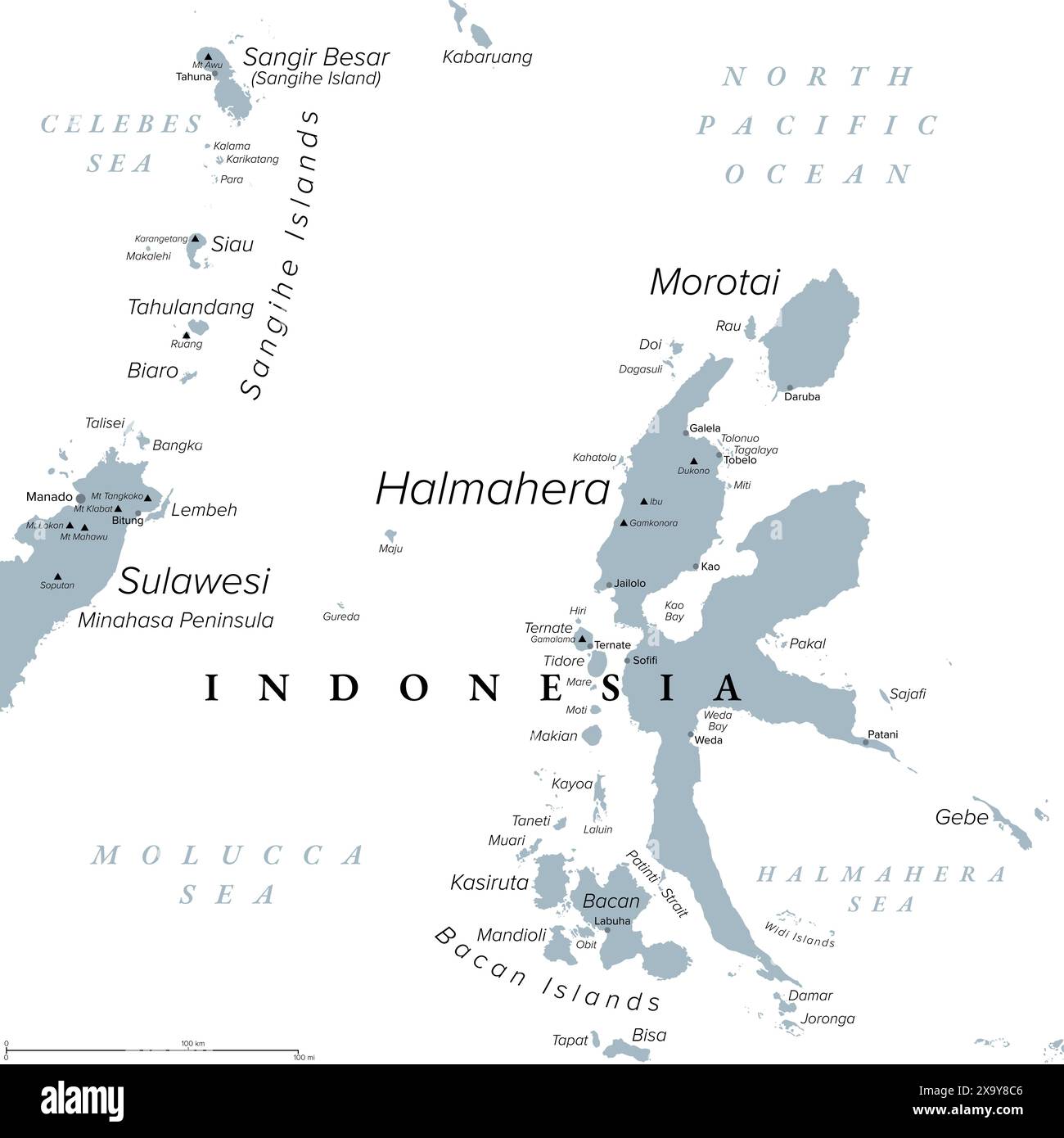
According to ANTARA News, a tsunami early warning was issued immediately following the 7.7M quake. The BMKG (Indonesia’s Meteorology, Climatology, and Geophysical Agency) played a critical role in monitoring the sea levels. Their data revealed that the warnings were not unfounded, as they eventually detected tsunami waves reaching heights of up to 18 cm in North Sulawesi and North Maluku.
While an 18 cm wave might seem negligible compared to the catastrophic tsunamis seen in the Indian Ocean or Japan, any sudden change in sea level can be dangerous for small boats, coastal infrastructure, and people swimming near the shore. The warning system’s success in detecting these waves demonstrates the sensitivity of the regional monitoring network, though it also highlights the constant vulnerability of these coastlines.
The detection of 18 cm waves by the BMKG serves as a reminder that even “minor” tsunami activity can disrupt coastal life and requires strict adherence to early warning protocols.
Who is leading the rescue efforts in the Southern Philippines?
The phrase “rescue efforts underway,” as highlighted by Bloomberg.com, encompasses a variety of coordinated actions. In the Southern Philippines, these operations typically involve a mix of national military assets, local disaster risk reduction and management offices, and international aid organizations.
The primary objective in the first 72 hours—the “golden window”—is to locate survivors trapped under collapsed buildings. Given that Tempo.co English reported over 130 injuries, medical triage centers have likely been established to handle the overflow of patients that local clinics cannot accommodate.
Rescue teams face several logistical hurdles in this region:
- Geography: The fragmented nature of the islands makes transporting heavy machinery for debris removal difficult.
- Infrastructure: Earthquakes often sever power lines and destroy roads, leaving some communities accessible only by boat or helicopter.
- Aftershocks: Ongoing seismic activity can trigger further collapses, endangering the rescuers themselves.
For those interested in how these operations are coordinated, a related explainer on disaster response logistics provides deeper insight into the protocols used in the Pacific Ring of Fire.
What causes such powerful earthquakes in the Sulawesi Sea?
The Sulawesi Sea is a complex tectonic junction. The region is part of the “Pacific Ring of Fire,” a horseshoe-shaped zone where several tectonic plates meet and grind against one another. The interaction between the Philippine Sea Plate, the Eurasian Plate, and smaller micro-plates creates immense pressure.
A 7.7 magnitude earthquake is considered a “major” event. In tectonic terms, this usually results from a sudden slip along a fault line, releasing energy that has built up over decades or centuries. When this slip happens vertically on the ocean floor, it displaces the water column, which is exactly what led to the tsunami warnings reported by The Jakarta Post and ANTARA News.
The Southern Philippines is particularly susceptible to this because it sits atop multiple active fault systems. The combination of high seismic activity and a coastline composed of thousands of islands makes the region one of the most disaster-prone areas on Earth.
Comparing the impact: Philippines vs. Indonesia
While the earthquake’s epicenter was in the Sulawesi Sea, the human toll and the physical impact were distributed differently between the two neighboring nations.
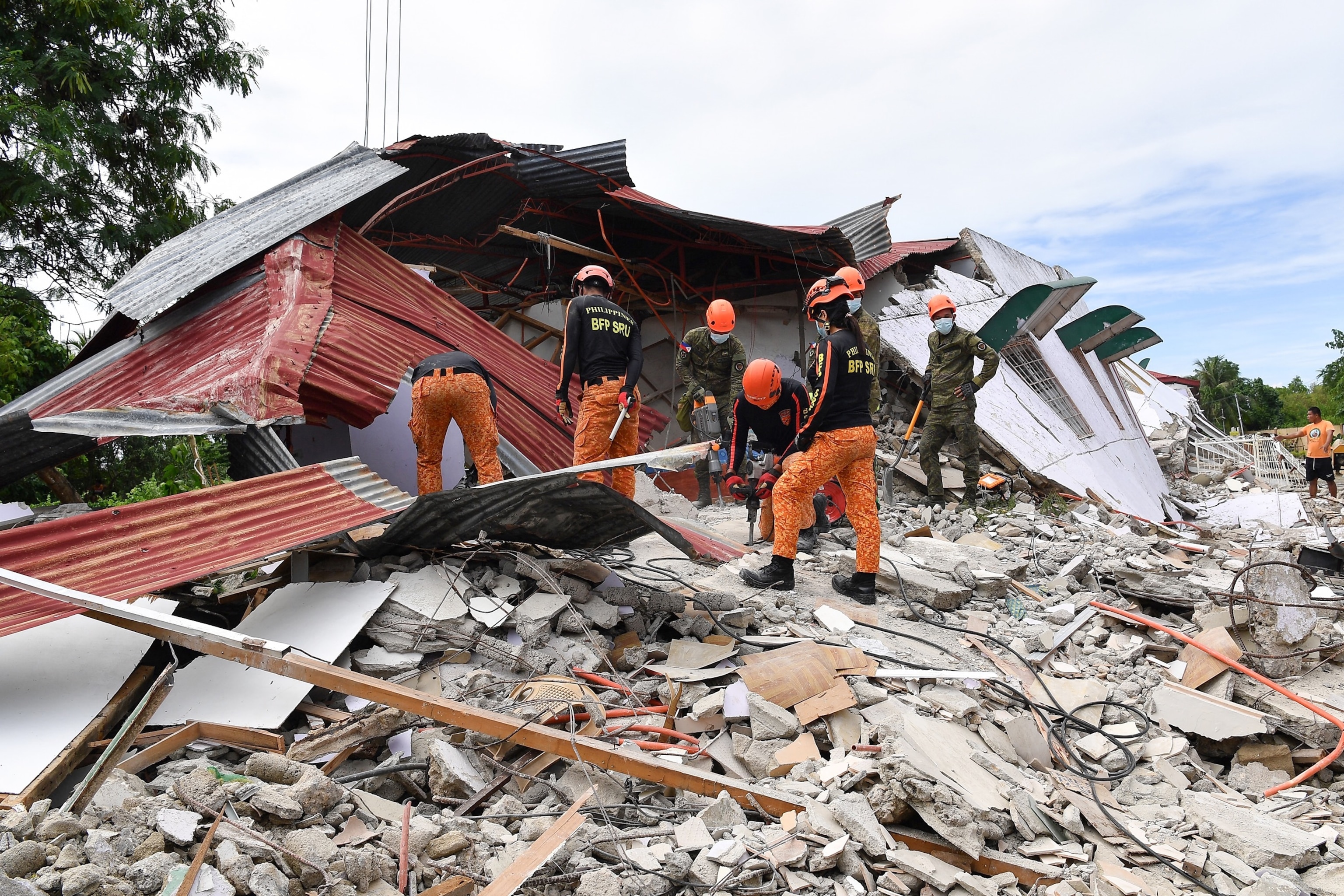
In the Philippines, the impact was primarily structural and lethal. The reports of 37 deaths and 130+ injuries point to significant building failures and ground shaking. The crisis here is one of humanitarian rescue and recovery.
In Indonesia, the impact was primarily maritime. The BMKG’s focus was on the 18 cm waves in North Sulawesi and North Maluku. While there were no reports of mass casualties in Indonesia from this specific event, the focus there was on preventative evacuation and monitoring. This contrast shows how the same seismic event can manifest as a building crisis in one country and a coastal threat in another, depending on the proximity to the epicenter and the nature of the local infrastructure.
Common misconceptions about this earthquake
In the wake of breaking news, several misconceptions often emerge. It’s important to clarify these based on the available data:
Misconception 1: The tsunami was a “false alarm” because waves were only 18 cm.
A tsunami warning is not a “failure” if the resulting wave is small. The purpose of the warning is to prevent loss of life. The fact that the BMKG detected 18 cm waves proves that a tsunami did occur. In many cases, the displacement of water is far greater at the epicenter than it is by the time it reaches the coast of North Sulawesi.
Misconception 2: The death toll is finalized at 37.
In disaster reporting, the initial numbers are rarely the final ones. As Bloomberg.com reports 37 deaths, it’s likely that this number will fluctuate as search teams reach more remote areas. The jump from 1 to 19 to 37 shows that the toll is still climbing.
Misconception 3: Only the coast was affected.
While tsunamis are a coastal threat, the 7.7M magnitude ensures that the shaking was felt deep inland. The “130+ injured” reported by Tempo.co English likely includes people from inland areas where buildings collapsed due to the sheer force of the ground acceleration.
What to monitor in the coming days
As the immediate rescue phase evolves into a recovery phase, several key indicators will determine the long-term impact of this quake.
First, the number of missing persons remains a critical metric. If the death toll continues to rise from the current 37, it may indicate that entire structures collapsed in areas that are still inaccessible. Second, the stability of the region’s infrastructure—specifically bridges and ports in the Southern Philippines—will dictate how quickly aid can reach the injured.
Additionally, seismic experts will be watching for significant aftershocks. A 7.7 magnitude event often triggers a series of smaller quakes that can be dangerous to already weakened buildings. For residents in North Sulawesi and North Maluku, continued monitoring of sea levels by the BMKG remains essential to ensure no secondary surges occur.
For more information on how to prepare for such events, you might look for a guide on seismic safety and evacuation.
Frequently Asked Questions
What is the current death toll of the Philippine earthquake?
According to the most recent reports from Bloomberg.com, the death toll has reached 37 people. However, this number has evolved over time, with earlier reports from The Jakarta Post and Tempo.co English listing 1 and 19 deaths, respectively.
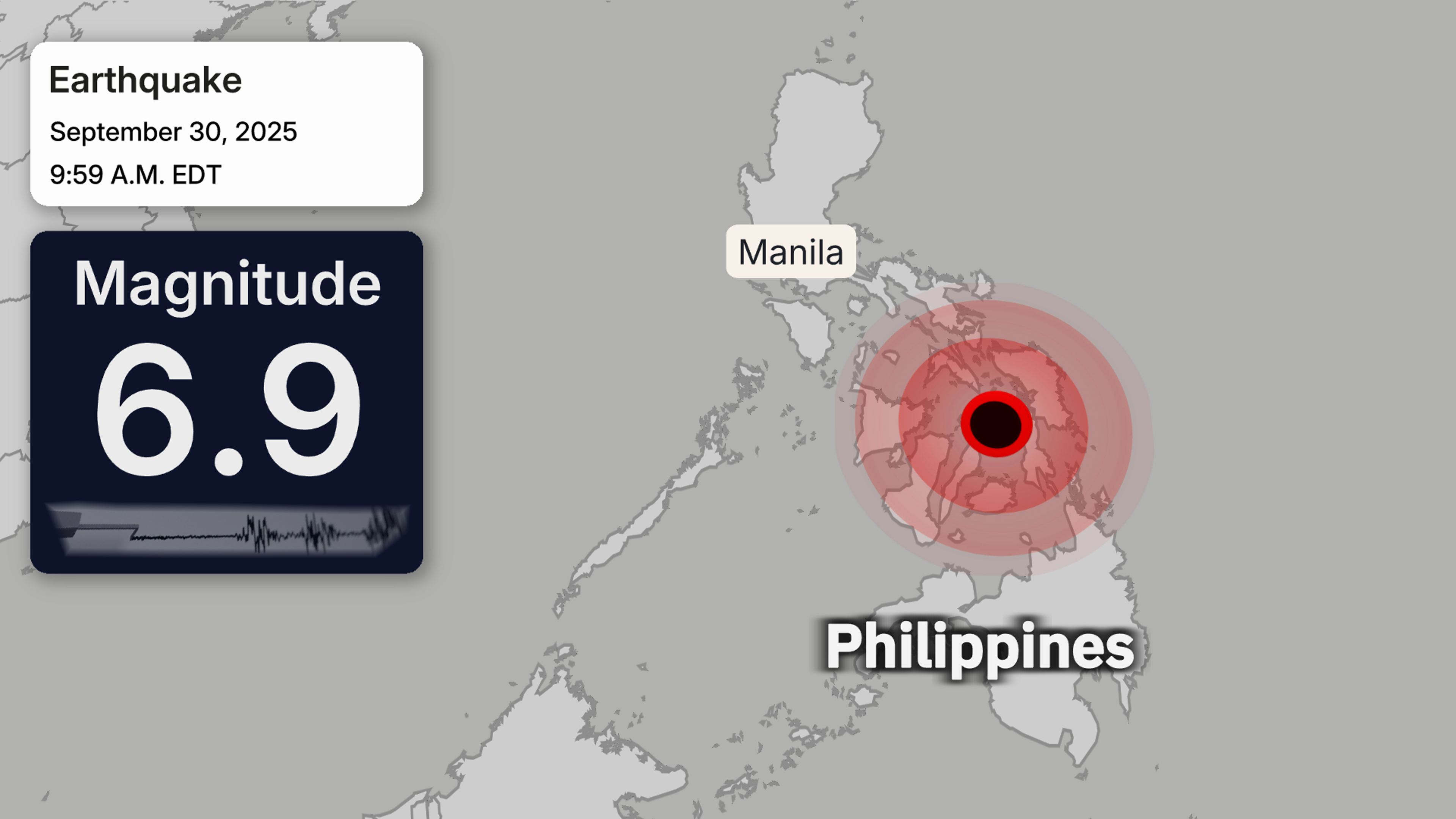
How large was the earthquake in the Sulawesi Sea?
ANTARA News reported the earthquake had a magnitude of 7.7M.
Were there any tsunamis caused by the quake?
Yes. While early warnings were issued for several areas, the BMKG eventually detected tsunami waves of up to 18 cm in North Sulawesi and North Maluku.
How many people were injured in the Southern Philippines?
Tempo.co English reports that more than 130 people were injured as a result of the earthquake.
Are rescue operations still active?
Yes, Bloomberg.com confirms that rescue efforts are currently underway to assist survivors and locate those still missing.
