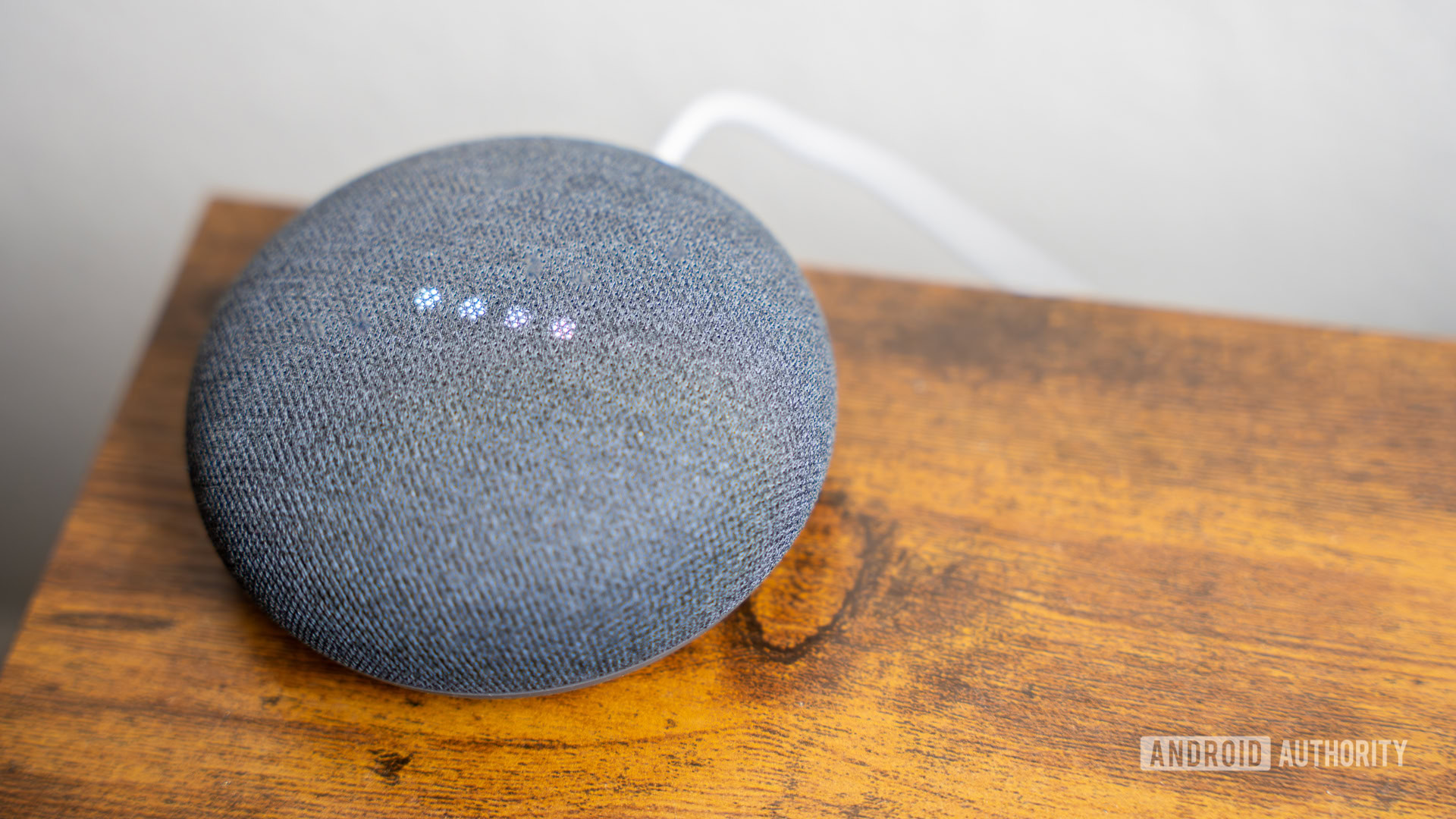
Google just pushed me one step closer to ditching Google Home for Amazon Alexa – Android Authority
Google is integrating its Gemini AI into the Google Home ecosystem and teasing a new smart speaker for a potential launch next week, though reports indicate that premium features are moving behind a paywall. This shift in monetization and functionality has led some users to consider switching to Amazon Alexa, according to reports from Android Authority.
Why are users considering a switch from Google Home to Amazon Alexa?
User frustration stems from a perceived decline in the value proposition of the free Google Home experience. While Google is introducing more advanced AI capabilities via Gemini, Geeky Gadgets reports that the most desirable features are now hidden behind a paywall. This transition from a free service model to a subscription-based one for “smart” features is a primary driver for the sentiment that Google just pushed me one step closer to ditching Google Home for Amazon Alexa – Android Authority.
The friction is not merely about cost but about the consistency of the user experience. When core functionalities or significant intelligence upgrades require a monthly fee, users often compare those costs against the existing ecosystem of Amazon Alexa, which has historically maintained a different approach to feature accessibility. The tension arises when a platform that previously offered seamless integration begins to restrict its “best” tools to paying subscribers.
What is the new Gemini-powered smart speaker?
Google is reportedly preparing to launch a new smart speaker that leverages Gemini, the company’s large language model. According to reports from The Indian Express and IT Voice Media Pvt. Ltd., this hardware is teased for a launch as early as next week. This device is expected to move beyond the traditional “command-and-control” nature of previous Google Home devices, offering more natural, conversational interactions.
The integration of Gemini aims to solve long-standing complaints regarding the rigidity of the Google Assistant. Instead of requiring specific phrasing to trigger an action, a Gemini-powered speaker can understand context, maintain the thread of a conversation, and handle complex multi-step requests. According to 9to5Google, Google has already seen 3.5 million users test the Gemini for Home assistant, suggesting a massive beta phase to refine the AI’s performance in a domestic environment before the hardware hits the shelves.
| Feature | Legacy Google Home | Gemini-Powered Home |
|---|---|---|
| Interaction Style | Command-based / Rigid | Conversational / Contextual |
| Processing | Cloud-based Assistant | Large Language Model (LLM) |
| User Testing | General Release | 3.5 Million Beta Testers (per 9to5Google) |
| Access Model | Mostly Free | Hybrid / Paywalled Features (per Geeky Gadgets) |
How does the new paywall affect Google Home users?
The introduction of a subscription layer for smart home features marks a significant pivot in Google’s strategy. As reported by Geeky Gadgets, while Google Home is technically “getting smarter,” the most potent AI enhancements are not available to all users. This creates a tiered experience where the basic version of the assistant remains functional, but the “intelligent” version—capable of more complex reasoning and automation—requires payment.
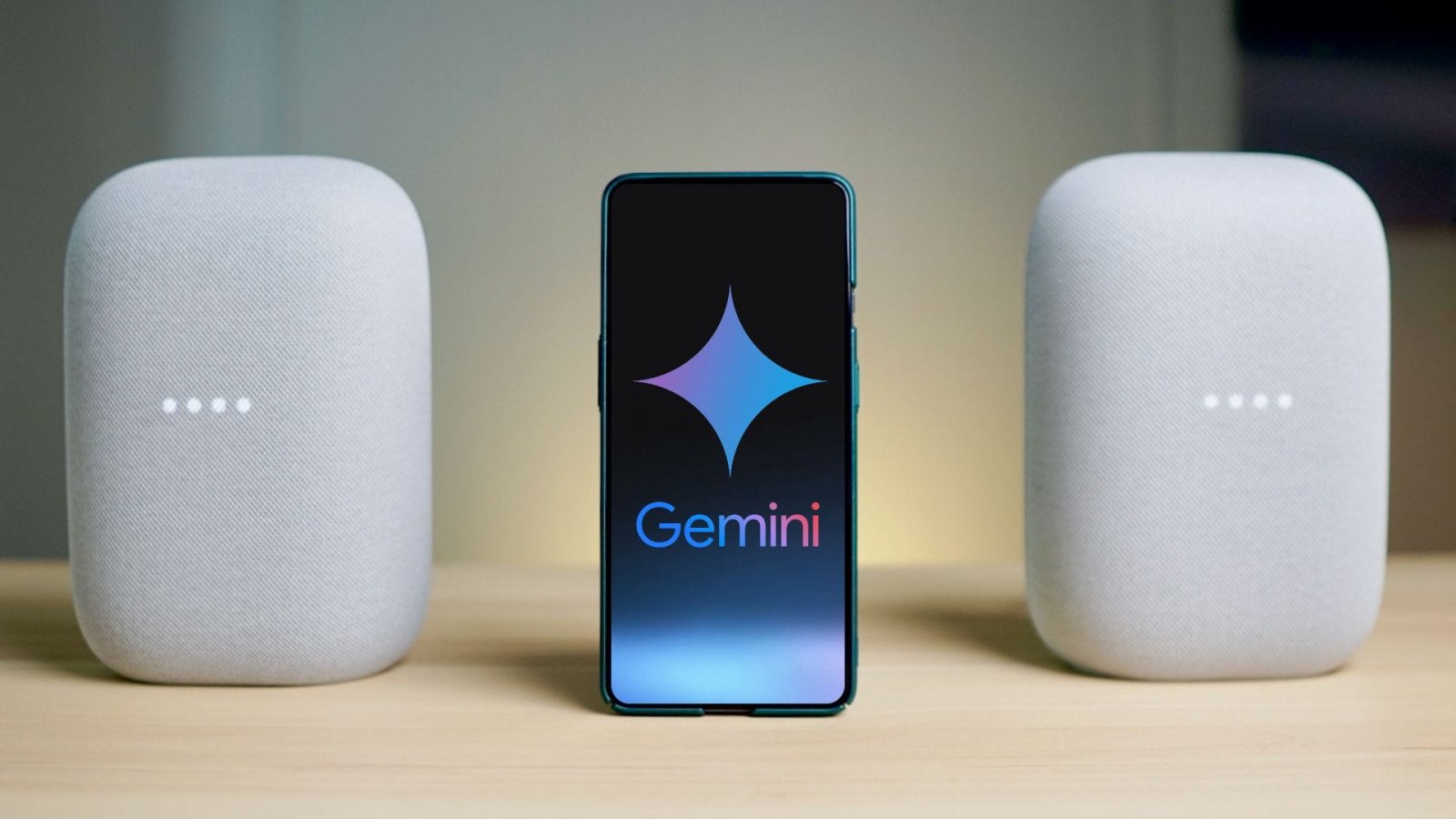
This strategy mirrors a broader industry trend where “AI taxes” are being applied to software. However, applying this to hardware that users already own in their homes creates a different kind of friction. Users who bought Google Nest devices under the assumption of a free service may feel penalized when the software updates that make those devices “better” are locked behind a monthly fee.
- Feature Gating: Advanced automation and deeper Gemini integration are restricted to paid tiers.
- Hardware Obsolescence: Older devices may feel outdated if they cannot access the new AI features without a subscription.
- Competitive Pressure: This pricing model gives Amazon Alexa an opening to attract disgruntled Google users who prefer a more inclusive feature set.
What is the timeline for the Gemini Home rollout?
The rollout is happening in two parallel tracks: software integration and hardware launches. The software side is already well underway, with 9to5Google reporting that 3.5 million users have already interacted with the Gemini for Home assistant. This large-scale testing suggests that the AI is stable enough for a wider release.
On the hardware side, the timeline is much tighter. The Indian Express and IT Voice Media Pvt. Ltd. both indicate that a new speaker is being teased for a launch as early as next week. This suggests that Google wants to tie the Gemini software experience to a specific piece of hardware that can perhaps handle the processing requirements of a more advanced AI more efficiently than older Nest Mini or Nest Audio devices.
For more information on how these devices fit into the broader ecosystem, you may find a related explainer on smart home protocols useful.
Comparing Google Home’s AI shift to Amazon Alexa
The competition between Google and Amazon has shifted from “who has the most compatible devices” to “whose AI is more useful.” Amazon has been aggressively updating Alexa with its own LLM (Large Language Model) capabilities to compete with Gemini. The core difference currently lies in the delivery model.
Google is leaning heavily into the Gemini brand, attempting to create a unified AI experience across Android, Workspace, and Home. However, the report from Android Authority suggests that this “unification” is causing friction if it comes with a cost. Amazon Alexa has traditionally focused on the “ambient intelligence” model—making the home work without the user having to think about it. By introducing a paywall for the “best” features, Google is risking the “ambient” nature of its service, turning a utility into a luxury product.
Key points of comparison:
- Intelligence: Gemini is widely regarded as more capable in natural language processing than the legacy Alexa, but the 3.5 million testers are the only ones currently verifying this at scale for home use.
- Cost: Google is moving toward a subscription model for premium AI features (per Geeky Gadgets), whereas Alexa has largely kept its core smart home controls free.
- Hardware: Google is teasing new dedicated AI hardware (per The Indian Express), while Amazon continues to iterate on the Echo line.
What are the implications for the smart home industry?
The move to paywall AI features in the home signals a shift in the economic model of the Internet of Things (IoT). For years, smart speakers were sold as “loss leaders”—devices sold at or below cost to get users into an ecosystem where they would buy more products or use more services. The introduction of a subscription for “intelligence” suggests that the loss-leader model is no longer sustainable for Google.

This could lead to a fragmented market. If Google continues to lock features behind a paywall, we may see a migration of “power users” to platforms that offer more open or flat-fee structures. Conversely, if the Gemini-powered experience is significantly superior to Alexa, users may be willing to pay the premium, establishing a new industry standard for “Paid AI Home Management.”
The risk for Google is the “churn” mentioned in the Android Authority context. When a user feels “pushed” away from a platform, the cost of switching—which used to be high due to the effort of replacing hardware—is decreasing as Matter and other universal standards make it easier to move devices between ecosystems.
For those analyzing the technical side of these transitions, a related explainer on Matter smart home standards provides context on how easy it is to switch platforms.
Common misconceptions about the Gemini Home update
There is a common belief that Gemini will simply replace the Google Assistant. In reality, it is an integration. The basic Assistant will likely still handle simple tasks like timers and light switches, while Gemini will handle the “reasoning” tasks. Another misconception is that all existing Google Home devices will automatically become “Gemini devices.” The reports from The Indian Express regarding a new speaker suggest that while software updates will help, the full Gemini experience may require new hardware.
Furthermore, some users assume the paywall applies to all Google Home features. According to Geeky Gadgets, the paywall specifically targets the “best” or most advanced features, not the basic functionality. However, the line between “basic” and “best” is often blurred in marketing, leading to the user frustration reported by Android Authority.
Frequently Asked Questions
Is Google Home becoming a paid service?
According to Geeky Gadgets, Google is not making the entire service paid, but it is moving some of the most advanced “smart” features behind a paywall. Basic controls and standard Assistant functions remain available, but premium AI capabilities may require a subscription.
When is the new Gemini smart speaker coming out?
Reports from The Indian Express and IT Voice Media Pvt. Ltd. suggest that Google has teased a new speaker that may launch as early as next week.
How many people have tested Gemini for Home?
9to5Google reports that 3.5 million users have already tested the Gemini for Home assistant during its beta phase.
Why would someone switch from Google Home to Amazon Alexa?
As highlighted by Android Authority, some users feel pushed toward Alexa due to the introduction of paywalls for advanced features and a perceived decline in the value of the free Google Home experience.
Will my old Google Nest speaker work with Gemini?
While Google is integrating Gemini into the software ecosystem, reports of a new hardware launch suggest that the most complete Gemini experience may require newer devices. Software updates may bring some capabilities to older hardware, but performance may vary.
As the smart home market evolves, the balance between AI capability and cost will likely determine which ecosystem wins the living room. With 3.5 million testers already in the pipeline and new hardware on the horizon, Google is betting that the power of Gemini will outweigh the frustration of a new pricing model. Whether that bet pays off, or simply accelerates the move toward Amazon Alexa, will depend on the actual utility of those paywalled features.
