Philippine Senate Faces Pressure to Reject Anti-Dynasty Bill as Business and Civic Groups Warn of ‘Pro-Clan’ Loopholes
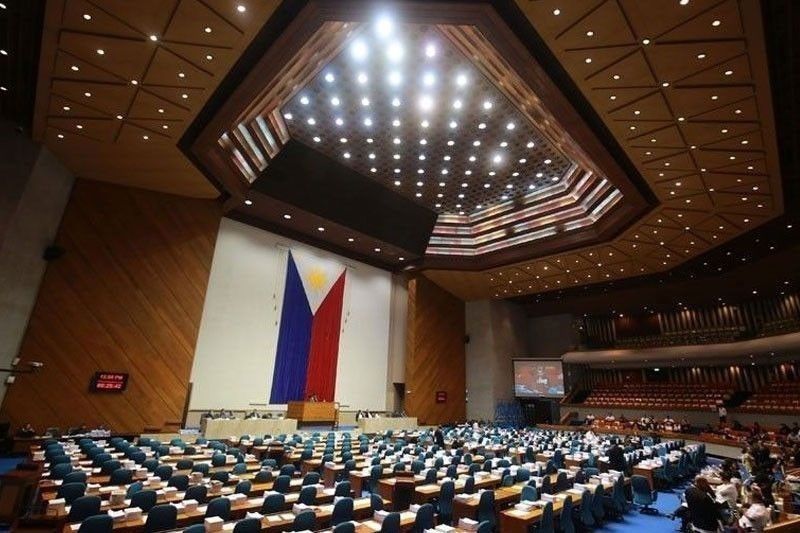
MANILA — A coalition of business and civil society groups has intensified calls for the Philippine Senate to reject a proposed anti-dynasty bill, arguing that its provisions fail to curb political dynasties and instead create legal protections for powerful family clans. The push comes as lawmakers debate whether the measure—passed by the House of Representatives—truly aligns with the 1987 Constitution’s prohibition on dynasties in government.
According to a joint statement released by the Business for Social Progress and Watchdog Philippines, the bill’s language contains “critical loopholes” that allow dynasties to maintain control over local and national offices by rebranding their political structures. Meanwhile, the Philippine Chamber of Commerce and Industry (PCCI) has warned that the bill could inadvertently empower entrenched elites rather than dismantle them, citing concerns over vague definitions and enforcement gaps.
The debate underscores a broader political divide: while proponents argue the bill is a “significant step” toward fulfilling the Constitution’s mandate, critics say it risks becoming a symbolic gesture with little real impact. With the Senate set to vote on the measure in the coming weeks, the outcome could redefine efforts to curb the Philippines’ long-standing political dynasty culture.
—
What Is the Anti-Dynasty Bill, and Why Are Groups Opposing It?
The proposed anti-dynasty law, known as House Bill 8389, was approved by the House of Representatives in late 2023 and is now under Senate review. Supporters, including some lawmakers and constitutional scholars, argue it strengthens the 1987 charter’s Article II, Section 26, which bans dynasties in government. However, opponents—including business groups, civic organizations, and legal experts—contend the bill’s provisions are too weak to prevent dynasties from adapting their strategies to stay in power.
Key concerns raised by critics include:
- Loopholes in definitions: The bill’s definition of a “political dynasty” excludes certain family members, allowing clans to restructure their operations to avoid disqualification. According to Transparency International Philippines, this could enable dynasties to “repackage” themselves under new legal entities.
- Weak enforcement mechanisms: The measure lacks clear penalties for violators, raising questions about how it would be implemented. The Philippine Business for Education has noted that without strong oversight, local governments—where dynasties hold the most influence—could ignore the law entirely.
- Potential for backlash: Some legal analysts warn that the bill’s provisions could be challenged in court, leading to prolonged legal battles that delay any meaningful reform. The Institute for Popular Democracy has expressed skepticism that the measure will survive constitutional scrutiny.
Proponents, however, argue that the bill is a necessary first step. Senator Francis Escudero, a vocal supporter, told reporters that the measure “closes critical gaps” in existing anti-dynasty laws, pointing to its inclusion of provincial and city-level offices—a realm where dynasties have historically thrived.
—
Who Is Leading the Opposition, and What Are Their Arguments?
The rejection campaign is being led by a diverse coalition, including:
| Organization | Key Argument | Source |
|---|---|---|
| Philippine Chamber of Commerce and Industry (PCCI) | Bill’s enforcement relies too heavily on local governments—where dynasties dominate—rather than an independent body. | BusinessWorld Online |
| Business for Social Progress | Provisions allow dynasties to “rebrand” by excluding certain relatives from the definition of a “dynasty.” | Watchdog Philippines |
| Transparency International Philippines | Bill lacks clear penalties, making it easy for dynasties to evade accountability. | Manila Bulletin |
| Institute for Popular Democracy | Legal challenges likely, given vague definitions and potential constitutional conflicts. | GMA Network analysis |
Business groups, in particular, have framed their opposition around economic concerns. The PCCI argues that the bill could destabilize local governance by removing experienced leaders—many of whom are tied to dynasties—without providing clear alternatives. “The risk is that we replace one form of entrenched power with another,” said a PCCI spokesperson, adding that the measure fails to address systemic corruption in local politics.
Civic organizations, meanwhile, have focused on the bill’s symbolic failure. Watchdog Philippines notes that similar anti-dynasty laws in the past—such as the 1987 Constitution’s own provisions—have been repeatedly ignored by local officials. “If the Senate passes this bill in its current form, it will be just another piece of paper,” said a campaigner for the group.
—
How Did the Bill Reach This Stage, and What Happens Next?
The push for an anti-dynasty law has been a decades-long struggle in the Philippines. The 1987 Constitution explicitly bans dynasties in government, yet political families—such as the Aquinos, Marcoses, and Dutertes—have repeatedly evaded these restrictions through legal loopholes, strategic alliances, and control over local elections.
A timeline of key developments:
| Year | Event | Outcome |
|---|---|---|
| 1987 | Anti-dynasty provision included in the Constitution. | No enforcement mechanism; dynasties continue unchecked. |
| 2000 | First anti-dynasty bill filed in Congress. | Stalled in committee; no action taken. |
| 2018 | Supreme Court rules against a dynasty in Gonzales v. Comelec. | Limited impact; local officials find ways around the ruling. |
| 2023 | House passes House Bill 8389. | Sent to Senate for review; now under debate. |
If the Senate approves the bill, it will need to be reconciled with any amendments before being sent to President Bongbong Marcos for final approval. However, critics warn that even if passed, the law’s effectiveness hinges on political will—something past anti-dynasty efforts have lacked.
What’s next? Lawmakers are expected to hold hearings in the coming weeks, with both supporters and opponents preparing to present their cases. The Senate’s Committee on Electoral Reforms will play a key role in shaping the final version of the bill.
—
Why Does This Matter? The Broader Impact on Philippine Politics
The Philippines remains one of the few democracies where political dynasties dominate governance. According to the International Institute for Democracy and Electoral Assistance (IDEA), over 70% of local government positions are held by political families, a trend that has persisted despite constitutional bans.
Critics argue that the current bill fails to address the root causes of this phenomenon:
- Lack of alternative candidates: In many regions, dynasties control party nominations, leaving little room for outsiders to run for office.
- Weak electoral oversight: The Commission on Elections (Comelec) has been criticized for not aggressively enforcing anti-dynasty rules.
- Public apathy: Many voters continue to support dynasty candidates due to patronage networks and lack of viable alternatives.
If the Senate rejects the bill, it could signal a shift toward more comprehensive reforms—such as stronger Comelec enforcement or electoral system changes. However, if it passes in its current form, observers warn it may become another “dead letter” law, joining past anti-dynasty measures that were never effectively implemented.
Expert perspective: Political scientist Dr. Jose Abueg of the University of the Philippines noted that the bill’s fate hinges on whether lawmakers are willing to tackle the structural power of dynasties—not just their legal definitions. “The real test is whether this bill is paired with real political courage,” he said.
—
Common Misconceptions About the Anti-Dynasty Bill
Despite widespread debate, several myths persist about the proposed law. Here’s what the bill does—and does not—address:
- Myth: “This bill will immediately ban all dynasties.”
Reality: The measure does not automatically disqualify sitting officials. It only sets guidelines for future elections, meaning current dynasty members could still run unless proven violators. - Myth: “Business groups oppose it because they support dynasties.”
Reality: While some dynasties have business interests, the PCCI and other groups oppose the bill primarily due to its weak enforcement and potential to destabilize local governance without clear alternatives. - Myth: “The Supreme Court will easily strike it down.”
Reality: While legal challenges are possible, the bill’s supporters argue its definitions are narrower than past rulings—such as the Gonzales v. Comelec case—which could make it harder to overturn. - Myth: “This is just about the Marcoses or Aquinos.”
Reality: The bill affects hundreds of political families across the Philippines, from provincial governors to barangay captains. Its success or failure will set a precedent for all of them.
—
What Do the Numbers Say? A Look at Political Dynasties in the Philippines
Data from the Philippine Center for Investigative Journalism (PCIJ) and Transparency International paints a stark picture of dynasty dominance:
- 71% of local chief executives (mayors, governors) are part of political dynasties.
- 80% of provincial board members come from political families.
- Only 12% of local officials in the 2022 elections were first-time candidates.
A 2023 study by the Institute for Popular Democracy found that dynasties control an estimated 60% of local budgets, reinforcing their political and economic power. The proposed anti-dynasty bill, if passed, would only begin to address these figures if paired with stronger enforcement and electoral reforms.
—
FAQ: Key Questions About the Anti-Dynasty Bill and Its Implications
Q: Will this bill actually ban political dynasties?
A: No. The bill sets guidelines to prevent dynasties from forming in the future but does not automatically disqualify current officials. Enforcement will depend on local election bodies, which critics say lack the will to act.
Q: Why are business groups against it?
A: Groups like the PCCI argue the bill’s weak enforcement could destabilize local governance without providing clear alternatives. They also warn that dynasties may adapt by restructuring their operations to avoid disqualification.
Q: What happens if the Senate rejects the bill?
A: The issue may return to Congress with revised provisions, or lawmakers could push for broader electoral reforms—such as stronger Comelec oversight or term limits for local officials.
Q: Are there any dynasties that could be affected by this bill?
A: Yes. Families like the Aquinos (Tarlac), Marcoses (Ilocos Norte), and Dutertes (Davao) have been named in past anti-dynasty cases. However, the bill’s definitions are designed to exclude some relatives, allowing clans to repackage their political structures.
Q: Could this bill be challenged in court?
A: Legal experts say yes, particularly if the Supreme Court interprets its definitions as too narrow. Past rulings, such as Gonzales v. Comelec, have set precedents that could influence the outcome.
Q: What’s the difference between this bill and past anti-dynasty laws?
A: Unlike previous measures, this bill explicitly targets provincial and city-level dynasties, not just national offices. However, critics argue it still lacks teeth compared to stricter proposals, such as those pushed by Akbayan and Aksyon parties.
—
The Senate’s decision on the anti-dynasty bill will be closely watched as a test of whether the Philippines is serious about breaking the cycle of political dynasties. With lawmakers under pressure from both supporters and opponents, the coming weeks will determine whether the measure becomes law—or joins the long list of unenforced constitutional mandates.
For readers seeking deeper analysis, explore our related explainer on how political dynasties shape Philippine elections and our breakdown of past anti-dynasty legal battles.
