
A top aide to Chilean presidential candidate José Antonio Kast has become the center of a political storm after reports revealed she received a middle-class housing subsidy while working for an unrelated real estate company, raising questions about transparency and conflict-of-interest rules.
The controversy centers on Kast’s chief of staff, whose name has not been publicly confirmed but whose background in the property sector has drawn scrutiny. According to multiple local media outlets, including La Tercera and El Mostrador, the aide accessed state housing benefits despite her ties to an industry that directly benefits from government policies. The government has defended the decision, stating in a public statement that “all legal requirements were met.”
Why This Matters in Chile’s Political Climate
The revelation comes as Kast’s conservative coalition seeks to distance itself from past controversies ahead of Chile’s upcoming presidential election. His campaign has faced criticism over financial disclosures and perceived conflicts of interest, with opponents framing the housing subsidy issue as another example of elite privilege.

Unlike previous scandals—where Kast himself has been accused of misusing public funds—the current focus on his chief of staff adds a layer of institutional scrutiny. Political analysts note that aides’ financial histories have increasingly become a litmus test for trustworthiness in Latin American politics, where public perception of corruption remains high.
Key Details: The Subsidy and the Response
According to Publimetro and ADN Radio, the aide received the subsidy between 2020 and 2022, a period when Kast’s campaign was already positioning itself as a pro-business alternative to the center-left government. The middle-class housing program, worth roughly $10,000 USD, is typically reserved for families earning between $300 and $900 USD monthly—well below the income levels associated with executive roles in real estate.
The government’s defense hinges on the claim that the aide’s company, while operating in the real estate sector, was not actively lobbying or holding contracts with public agencies during the subsidy period. However, critics argue that the mere presence of industry ties creates an appearance problem, especially given Kast’s repeated promises to overhaul Chile’s housing policies.
How the Story Unfolded: A Timeline of Reports
The controversy gained traction over the past 48 hours after El Dínamo first broke the story, followed by broader coverage in La Tercera and El Mostrador. While Kast’s campaign has not directly addressed the aide’s name or role, a spokesperson told reporters the issue was “being reviewed internally.” Opposition figures, including former President Michelle Bachelet’s team, have already framed the subsidy as evidence of systemic favoritism.
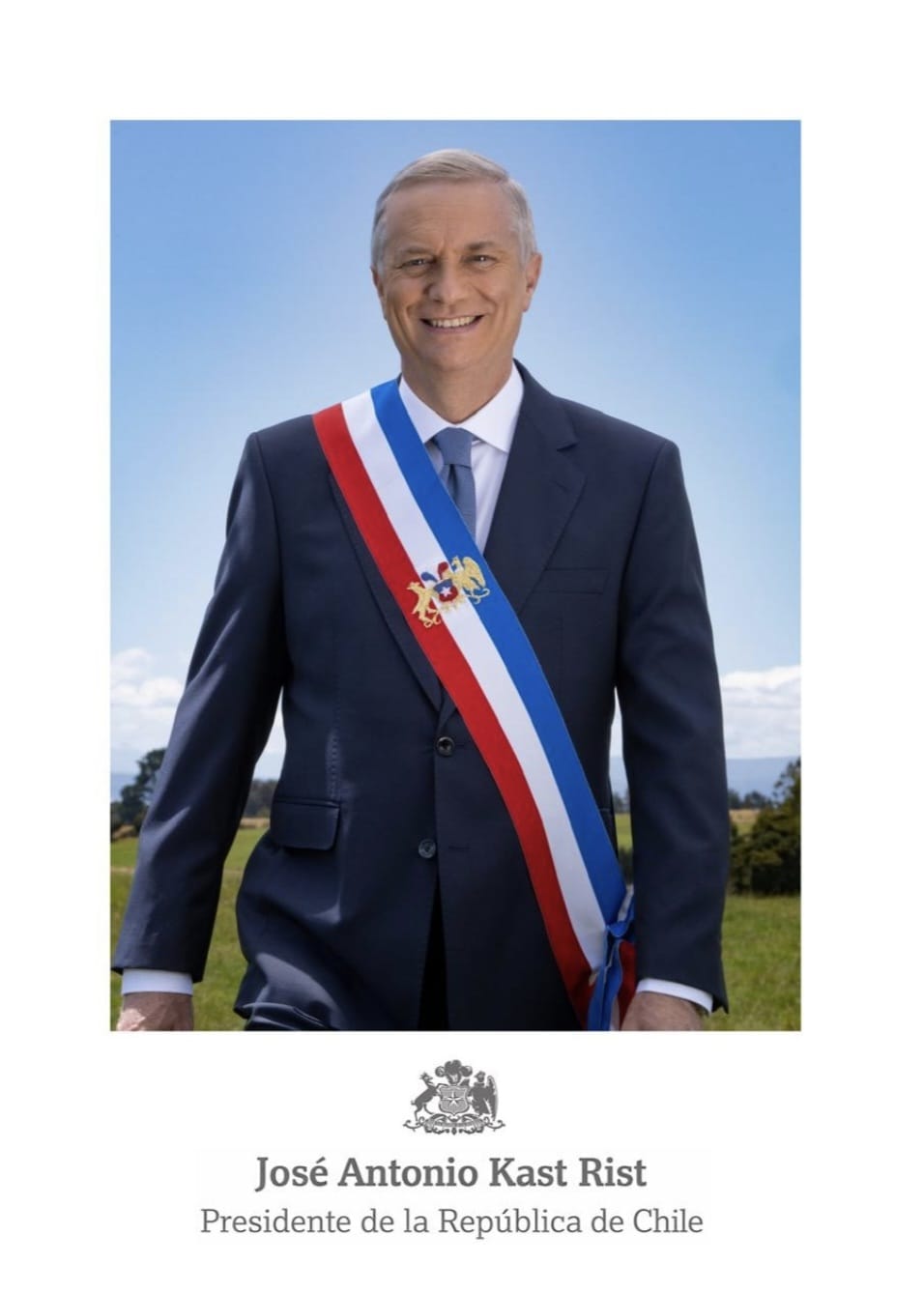
What’s next? Kast’s campaign has not announced any immediate changes, but political observers expect the issue to resurface in upcoming debates, particularly as housing affordability remains a top voter concern. With less than six months until the election, the scandal risks overshadowing Kast’s economic platform—a strategy that has relied heavily on positioning himself as a clean alternative to Chile’s political establishment.
