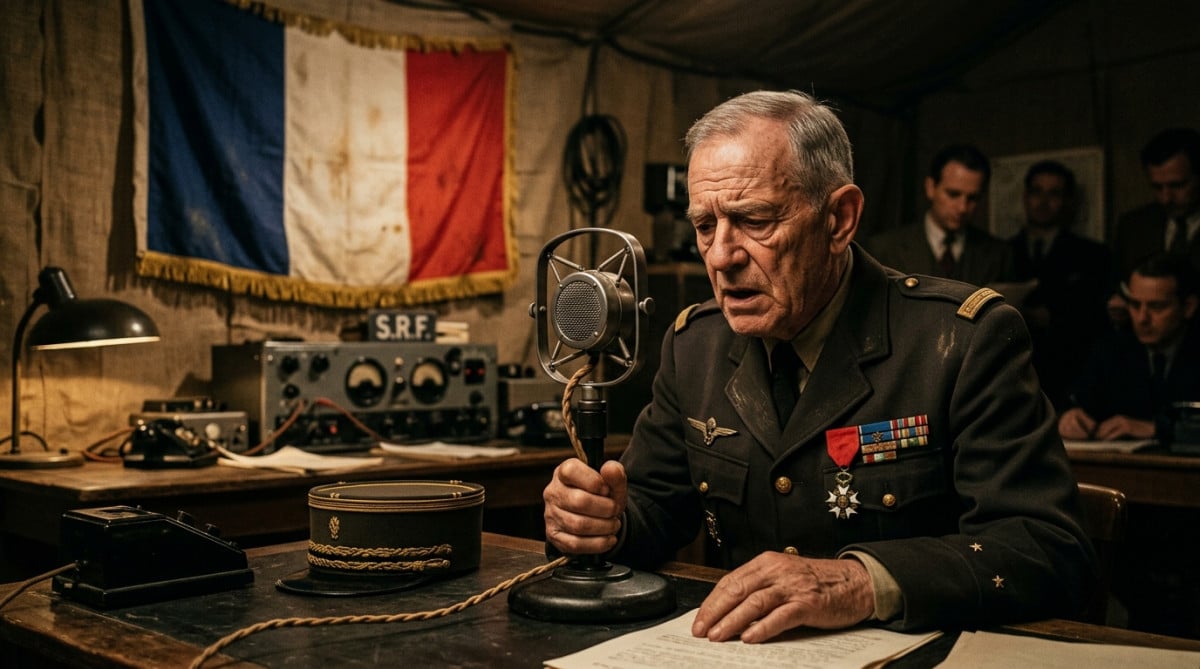
A single radio broadcast on June 18, 1940, reshaped history—but the man who delivered it nearly vanished into obscurity. This year, France and the UK are honoring the 84th anniversary of General Charles de Gaulle’s defiant call to arms from London, a speech that ignited the Free French movement. Yet while the world remembers the words, local commemorations this year are grappling with a quieter tragedy: the same day in 1940, a U.S. military transport plane carrying 150 American soldiers crashed in Portet-sur-Garonne, a tragedy overshadowed by the general’s historic appeal.
Why it matters: This year’s ceremonies mark the first time in decades that the two events—de Gaulle’s speech and the crash—will be acknowledged side by side in France, reflecting a growing effort to reconcile lesser-known wartime narratives with the dominant historical record.
How the 18 June Commemorations Are Evolving
The annual Appel du 18 Juin ceremonies, held at the Mont Valérien near Paris and in Dieppe, normally center on de Gaulle’s speech, broadcast from London’s BBC studios. But this year, organizers are expanding the scope to include the Portet-sur-Garonne crash, where the Douglas DC-3 carrying American soldiers disappeared over southwestern France. According to local media reports, the crash—long treated as a footnote—will be formally recognized during the June 18 events, with tributes at the crash site and in Portet-sur-Garonne.

Meanwhile, the absence of a key figure looms over the Dieppe ceremonies: Jean Caillet, a 97-year-old veteran who has participated in every Appel commemoration since 1950, will not attend this year due to illness. His replacement has not been announced, raising questions about how the event will honor its longest-standing participant.
Who’s Leading the Commemorations This Year
Three French municipalities are taking the lead in ensuring the dual narratives are told:

- Portet-sur-Garonne (near Toulouse), where the crash site will host a memorial service on June 18, according to regional reports.
- Dieppe, where organizers are finalizing plans to fill the void left by Caillet’s absence, per Paris Normandie.
- Vassieux-en-Vercors, whose mayor will represent the town at Mont Valérien, linking the Appel to resistance efforts in southeastern France.
The inclusion of the Portet-sur-Garonne crash reflects a broader trend in wartime remembrance: as younger generations seek out stories beyond the Allied victory narrative, local historians and veterans are pushing to restore forgotten episodes to public memory.
What the Crash and the Speech Have in Common
Both events unfolded on June 18, 1940, but their legacies could not be more different. De Gaulle’s 22-minute radio address—broadcast to a skeptical French public—became the rallying cry for the Free French Forces. The Portet-sur-Garonne crash, meanwhile, resulted in the deaths of 150 American soldiers en route to reinforce British troops in France. While de Gaulle’s words are etched in history, the crash remains a local tragedy, its details preserved only in military records and oral histories.
According to archival research cited in regional French outlets, the crash was initially classified as an accident, but new evidence suggests mechanical failure may have played a role. This year’s commemorations will be the first to publicly acknowledge the crash’s human cost alongside de Gaulle’s call.
How Local Communities Are Shaping the Narrative
The shift toward dual remembrance stems from grassroots efforts. In Dieppe, where Caillet’s absence creates a gap, organizers are turning to younger veterans and historians to share firsthand accounts. One initiative, reported by Paris Normandie, involves projecting de Gaulle’s speech alongside footage of the crash site onto Dieppe’s town hall, blending the two stories in real time.

Similarly, in Vassieux-en-Vercors, the mayor’s participation at Mont Valérien underscores how resistance history is being woven into the Appel’s legacy. The town, known for its role in the Vercors uprising, will send a delegation to Paris, ensuring the Appel’s message extends beyond de Gaulle’s London broadcast to include regional resistance networks.
Portet-sur-Garonne’s approach is more direct: a memorial plaque will be unveiled at the crash site, listing the names of the 150 soldiers. Local officials have described the effort as “long overdue,” according to regional media.
What Happens Next in the Commemorations
The June 18 events will conclude with a joint ceremony at Mont Valérien, where French and British officials will lay wreaths. While de Gaulle’s speech will remain the focal point, the inclusion of the Portet-sur-Garonne crash signals a deliberate effort to honor all facets of the war’s early days.
For Dieppe, the search for Caillet’s replacement continues, with organizers emphasizing the need to preserve the event’s intergenerational continuity. In Vassieux-en-Vercors, the mayor’s trip to Mont Valérien will be livestreamed, ensuring the town’s resistance story reaches a wider audience.
Portet-sur-Garonne’s memorial will stand as a permanent reminder of the crash, with plans to expand the site into a full historical marker in the coming years.
