
High-water-content fruits such as watermelon, melon, and citrus help the body maintain hydration and electrolyte balance during heatwaves, according to guidance from Medika TV. These foods provide necessary vitamins and antioxidants that assist the body in regulating temperature and maintaining cellular function during periods of extreme heat.
- Watermelon and melon: Provide maximum hydration and essential vitamins A and C.
- Citrus fruits: Supply critical electrolytes and vitamin C.
- Berries and stone fruits: Offer antioxidants and additional water volume.
Which fruits are most effective for hydration?
Watermelon and yellow melon are among the most effective options for hydration due to their high water volume, according to Medika TV. Watermelon specifically contains lycopene, an antioxidant that helps protect cells from damage, while yellow melon provides significant amounts of vitamins A and C.
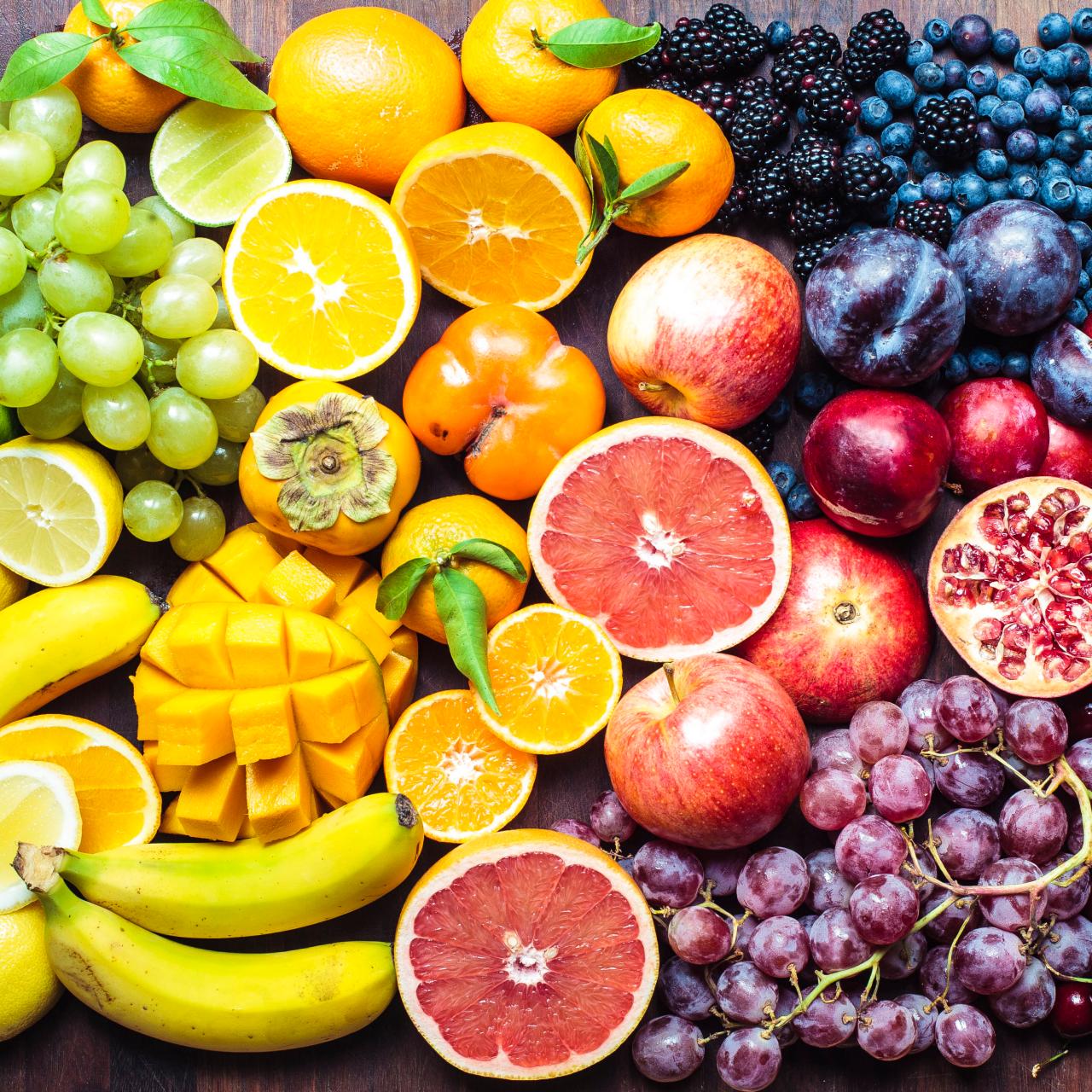
Grapes are also identified as a primary source of hydration. In addition to their water content, grapes provide natural sugars that offer a quick energy boost, which can be depleted more rapidly during high-temperature exposure.
What nutrients help the body manage extreme heat?
Beyond simple hydration, certain fruits provide electrolytes and vitamins that support physiological stability during a heatwave. Citrus fruits—including oranges, lemons, and grapefruits—are highlighted by Medika TV for their vitamin C and electrolyte content, which are necessary for maintaining fluid balance in the body.

Berries, such as strawberries, blueberries, and raspberries, contribute antioxidants that help combat oxidative stress caused by heat. Peaches and nectarines are similarly recommended for their combination of water and essential vitamins.
How do these foods assist the body during a canicule?
The primary mechanism is the replacement of fluids lost through perspiration. According to the guidance, consuming fruits with high water percentages serves as a dietary supplement to water intake, helping to prevent dehydration. The presence of vitamins and minerals in these fruits supports the immune system and metabolic processes that may be strained by extreme environmental temperatures.
