
France reports first Ebola patient as cases in Africa surge above 1,000
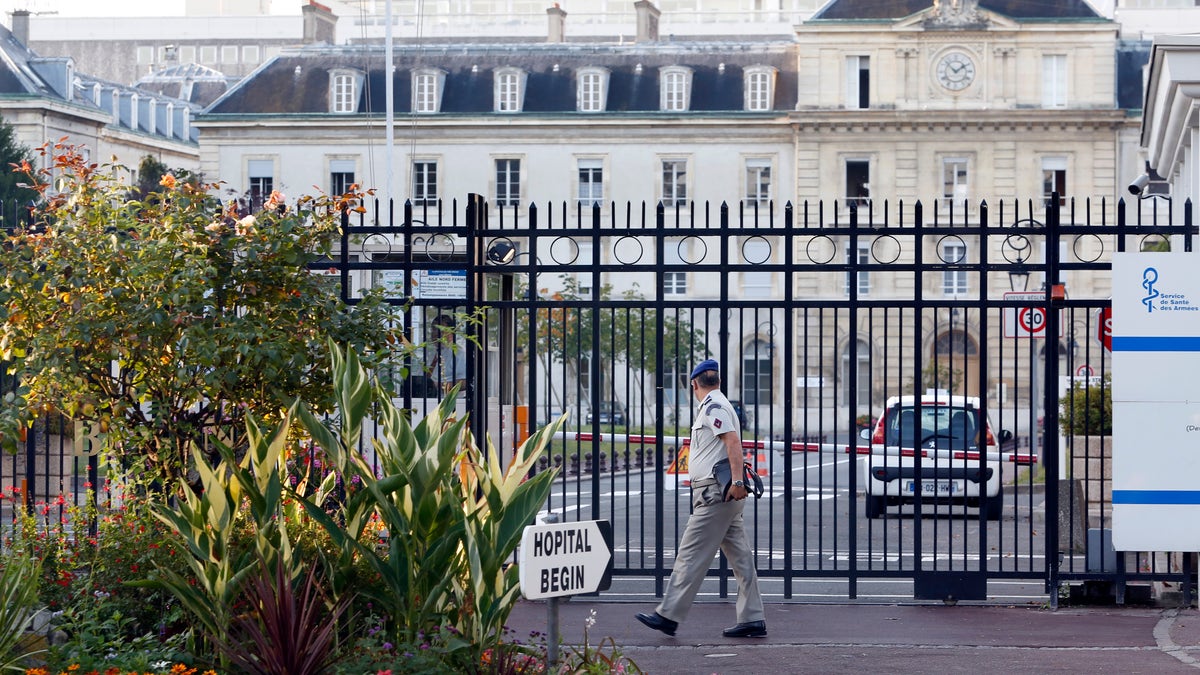
France has confirmed its first Ebola patient, a medical response worker returning from the Democratic Republic of the Congo, according to reports from Reuters and CNN. This marks the first case of the current outbreak detected outside Africa, occurring as total cases on the continent climb past 1,000, according to United Nations data.
Who is the first Ebola patient reported in France?
The patient is a doctor who served as an Ebola response worker in the Democratic Republic of the Congo (DRC), according to Reuters. This individual is the first person in the current outbreak to test positive for the virus outside of the African continent, CNN reports. The patient returned to France from the DRC before the diagnosis was confirmed.
Medical authorities in France moved quickly to isolate the patient upon the confirmation of the positive test. Because the patient was a healthcare professional specifically trained in Ebola response, they were already familiar with the rigorous protocols required to prevent further transmission. This professional background is critical, as it likely reduced the risk of accidental exposure to others during the travel and admission process.
The confirmation of this case highlights the inherent risks faced by international medical teams. According to CNN, these workers operate on the front lines of the crisis, often in high-risk environments where the virus is most prevalent. The transmission to a trained professional indicates the high viral load and potency of the current strain circulating in the DRC.
Why is the UN calling this the fastest-growing Ebola outbreak in Africa’s history?
The United Nations has issued a warning that the current Ebola outbreak is the fastest-growing in the history of the continent, according to ABC News. This acceleration is measured by the rate at which new cases are appearing and the geographical spread of the virus within the DRC.
Several factors contribute to this rapid growth. According to UN reports, the outbreak is occurring in regions plagued by instability and conflict. This volatility makes it difficult for health workers to reach affected villages, track contacts, and implement safe burial practices. When security is compromised, the “ring vaccination” strategy—where everyone around a confirmed case is vaccinated—becomes nearly impossible to execute effectively.

The scale of the crisis is further evidenced by the total case count. As reported by The Washington Post, cases in Africa have now surged above 1,000. This number represents a critical threshold for epidemiologists, as it indicates widespread community transmission that has bypassed initial containment efforts.
- Conflict Zones: Armed clashes in the DRC hinder the deployment of medical teams.
- Community Trust: Mistrust of government and international health organizations can lead to hidden cases.
- Mobility: High movement of people across porous borders increases the risk of regional spread.
How did the Ebola virus travel from the DRC to France?
The virus traveled via a medical professional who had been actively treating patients in the DRC. According to Reuters, the doctor was part of the response effort to contain the surge of cases in Africa. The transition of the virus from a high-transmission zone in the DRC to a clinical setting in France demonstrates the global nature of health risks in an interconnected world.
Ebola is not airborne; it spreads through direct contact with the blood, secretions, organs, or other bodily fluids of infected people, or with surfaces contaminated with these fluids. For a response worker to contract the virus, there must have been a breach in Personal Protective Equipment (PPE) or an accidental exposure during a high-risk procedure, such as intubation or the handling of a deceased patient.
The fact that the case was identified and isolated in France suggests that screening protocols for returning health workers are functioning. However, it also serves as a reminder that the incubation period for Ebola—which can range from 2 to 21 days—allows the virus to travel long distances before symptoms appear.
For more information on how the virus spreads, see this related explainer on Ebola transmission.
What are the implications of Ebola cases surging above 1,000 in Africa?
The crossing of the 1,000-case mark is a significant epidemiological milestone. According to The Washington Post, this surge indicates that the outbreak has moved beyond sporadic clusters into a sustained epidemic. This volume of cases puts an immense strain on the DRC’s healthcare infrastructure, which is already fragile.
When cases exceed 1,000, the logistics of contact tracing become exponentially more complex. Every single confirmed case can potentially expose dozens of others. If the tracing system fails to keep pace with the growth rate, the virus can establish new hubs of infection in previously unaffected areas.
Furthermore, the surge increases the probability of “spillover” events, where the virus jumps to other countries. The case in France is the first instance of this specific outbreak leaving Africa, but it underscores the potential for other international cases if the situation in the DRC is not stabilized. The UN’s warning about the growth rate suggests that without a massive increase in resources and security, the number of cases could climb even higher.
| Metric | Status in DRC / Africa | Status in France |
|---|---|---|
| Total Cases | Over 1,000 | 1 (Confirmed) |
| Growth Rate | Fastest in Africa’s history (per UN) | Isolated case |
| Primary Driver | Community spread & conflict | Medical repatriation |
| Containment Level | Critical/Difficult | Controlled/Isolated |
How does this outbreak compare to previous Ebola epidemics?
While previous outbreaks, such as the 2014-2016 West Africa epidemic, had much higher total death tolls, the current outbreak is distinguished by its speed of growth and the environment in which it is spreading. According to ABC News, the UN’s characterization of this as the “fastest-growing” suggests a level of acceleration that differs from prior events.
In the West African outbreak, the virus spread through densely populated urban centers. In the current DRC outbreak, the virus is navigating a landscape of active warfare and deep-seated community mistrust. This makes the current situation uniquely dangerous because the tools used to stop previous outbreaks—such as centralized government mandates and clear public health messaging—are less effective in a conflict zone.
Another point of contrast is the availability of medical tools. Unlike the 2014 outbreak, health workers now have access to experimental vaccines and therapeutic treatments. However, as the case in France shows, these tools do not eliminate the risk of infection for those on the front lines. The gap between the existence of a vaccine and the ability to administer it in a war zone is where the virus continues to thrive.
“The UN warns outbreak is fastest-growing in Africa’s history.” — ABC News
What are the risks to the general public in France and globally?
Public health officials emphasize that the risk to the general public in France remains extremely low. Because the patient was a trained professional and was isolated quickly, the chance of secondary transmission within France is minimal. Ebola does not spread through the air or through casual contact like a cold or the flu.
Globally, the risk is higher for those traveling to or from the affected regions of the DRC. The case of the returning doctor serves as a warning to all international travelers and aid workers. According to CNN, the primary concern for global health organizations is not a widespread pandemic, but rather the “importation” of cases into cities with high international transit, which could lead to small, manageable, but frightening clusters of infection.
To mitigate these risks, airports and border crossings in several countries have increased screening for travelers arriving from Central Africa. These screenings typically involve temperature checks and health questionnaires, though experts note that these are only effective if the patient is already symptomatic.
For a broader look at regional health challenges, read this guide to DRC health crises.
Correcting common misconceptions about the current Ebola surge
There are several frequent misunderstandings regarding the current situation in France and the DRC that require factual correction based on reported data.
Misconception 1: Ebola is becoming an airborne virus.
There is no evidence from the WHO or the UN to suggest that Ebola has mutated to become airborne. It remains a virus transmitted through direct contact with infected bodily fluids. The case in France was a result of direct exposure during medical treatment, not atmospheric transmission.
Misconception 2: The vaccine provides 100% protection.
While vaccines have significantly aided containment, they are not an absolute shield. The fact that a response worker—who likely had access to the best available preventative measures—contracted the virus shows that PPE breaches and biological variability can still lead to infection.
Misconception 3: The outbreak is only affecting rural areas.
While the DRC’s rural conflict zones are hotspots, the surge above 1,000 cases indicates the virus is moving through more diverse populations. The ability of the virus to reach a doctor who then traveled to Europe proves that the outbreak is no longer confined to isolated villages.
What measures are being taken to stop the spread?
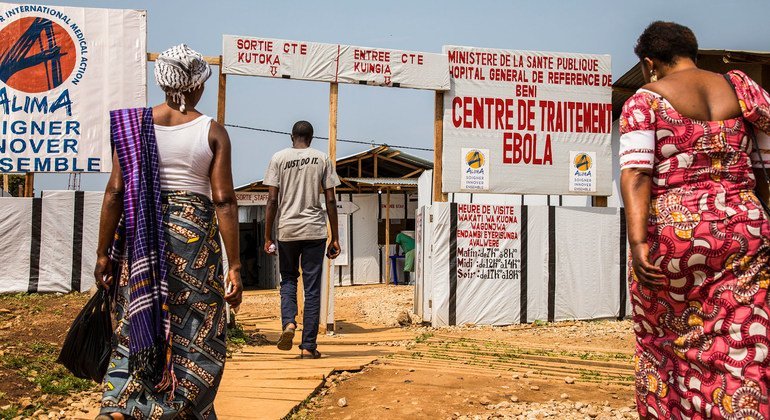
In the DRC, the response is focused on “ring vaccination” and the establishment of Ebola Treatment Centers (ETCs). However, according to the UN, these efforts are frequently interrupted by violence. Armed groups have targeted health workers, leading to the closure of clinics and the flight of medical staff.
In France, the response has been one of strict containment. The patient is being treated in a specialized high-security unit designed for highly infectious diseases. This involves negative-pressure rooms and strict PPE protocols for all entering staff to ensure the virus does not escape the clinical environment.
International coordination is being managed through the WHO and the UN, with a focus on increasing the security of health workers in the DRC. The goal is to create “safe zones” where vaccination and treatment can occur without the threat of attack, which is currently the biggest hurdle to bringing the case count down from its current surge.
Frequently Asked Questions
Is there a risk of an Ebola outbreak in Europe?
According to current health reports, the risk is very low. The case in France was an isolated instance involving a professional who was quickly isolated. Ebola requires direct contact with infected fluids to spread, making a wide-scale outbreak in Europe unlikely provided that containment protocols are followed.
Why did a trained doctor contract Ebola?
While the specific details of the exposure were not released, Reuters and CNN note that response workers face extreme risks. Even with PPE, accidents can happen during high-stress medical procedures or through microscopic tears in protective gear. The high viral load in the current DRC outbreak increases the likelihood of infection from even a small exposure.
What does “fastest-growing outbreak” actually mean?
According to the UN, this refers to the velocity of transmission. It means that the time between new cases appearing is shorter and the geographical area being affected is expanding more quickly than in previous African outbreaks, largely due to the lack of security and stability in the DRC.
How is Ebola diagnosed in patients returning from Africa?
Diagnosis is typically done via a PCR (Polymerase Chain Reaction) test, which detects the genetic material of the virus in the blood. Because symptoms like fever and fatigue are common to many illnesses, the travel history to the DRC is the primary trigger for health officials to order an Ebola-specific test.
Are there treatments available for Ebola patients today?
Yes. Unlike earlier outbreaks, there are now experimental therapeutics and vaccines. These treatments are deployed in the DRC and are available in high-level facilities like those in France, significantly improving the survival rate for those who are diagnosed early.
