Trials of Two Ebola Treatments to Begin in DRC Next Week: WHO Announces Critical Step in Outbreak Response
The World Health Organization (WHO) has confirmed that clinical trials for two experimental Ebola treatments will commence in the Democratic Republic of the Congo (DRC) next week, marking a pivotal moment in the global effort to combat the ongoing outbreak. The trials, which involve a drug developed by Mapp Biopharmaceutical and an antiviral from Gilead Sciences, aim to evaluate their efficacy in treating patients infected with the virus. This development comes as the DRC grapples with a rapidly escalating epidemic, which has already claimed over 500 lives this year.
What Are the Two Treatments Being Tested?
The first treatment, an antiviral medication developed by Gilead Sciences, has shown promise in preliminary studies. Known as remdesivir, the drug is designed to inhibit the replication of the Ebola virus within the body. According to the WHO, remdesivir has been used in previous outbreaks and has demonstrated some success in reducing mortality rates. However, its effectiveness in the current DRC outbreak remains to be determined through these new trials.
The second treatment, developed by Mapp Biopharmaceutical, is a monoclonal antibody therapy called Inmazeb. This treatment works by targeting the virus directly, preventing it from entering and infecting cells. Inmazeb has been approved by the U.S. Food and Drug Administration (FDA) for use in Ebola patients, but its application in the DRC context is still under investigation. The WHO has emphasized that both treatments will be administered under strict medical supervision to ensure patient safety and data integrity.
Who Is Involved in the Trials?
The trials are being conducted in partnership with the DRC’s Ministry of Health, the WHO, and various international health organizations. Key stakeholders include the U.S. Centers for Disease Control and Prevention (CDC), which has provided technical and logistical support, and the African Union, which has pledged to coordinate regional efforts to contain the outbreak. The involvement of these entities underscores the global significance of the trials and the urgent need for effective treatments.

Local healthcare workers in the DRC are also playing a critical role in the trials. The WHO has trained over 500 medical professionals in the affected regions to administer the treatments and monitor patient outcomes. This initiative not only supports the trials but also strengthens the country’s healthcare infrastructure, which has been strained by the outbreak.
Why Is This Trial Significant?
The significance of these trials lies in their potential to provide a much-needed solution to the Ebola crisis in the DRC. The current outbreak, which began in August 2023, has spread to multiple provinces, including the North Kivu and Ituri regions, where conflict and instability have hindered response efforts. The WHO has reported that the virus is spreading faster than in previous outbreaks, partly due to the lack of a proven treatment and the challenges of reaching remote communities.
Historically, Ebola outbreaks have been managed through containment measures such as quarantine and vaccination campaigns. However, these strategies have limitations, particularly in regions with poor healthcare access. The introduction of effective treatments could shift the approach from reactive containment to proactive care, reducing the number of fatalities and preventing further transmission. The WHO has stated that the success of these trials could set a precedent for future outbreaks, emphasizing the importance of research and innovation in public health.
What Is the Timeline for the Trials?
The trials are set to begin on October 15, 2023, in three designated hospitals in the DRC. These facilities, located in the provinces of North Kivu and Ituri, have been equipped with the necessary medical supplies and trained personnel to conduct the trials. The initial phase of the trials will involve 200 patients, with the goal of enrolling a total of 500 participants over the next three months.
Results from the trials are expected by the end of 2023, with the WHO planning to release a preliminary report in early 2024. If the treatments prove effective, they could be approved for widespread use within the DRC and potentially in other affected regions. The WHO has also indicated that the findings from these trials will be shared with the global health community to inform future response strategies.
What Are the Challenges and Risks?
Despite the potential benefits, the trials face several challenges. One of the primary concerns is the safety of the treatments. While both drugs have been tested in previous outbreaks, their effectiveness in the current DRC context is unknown. The WHO has acknowledged the risk of adverse reactions and has implemented strict monitoring protocols to ensure patient safety.
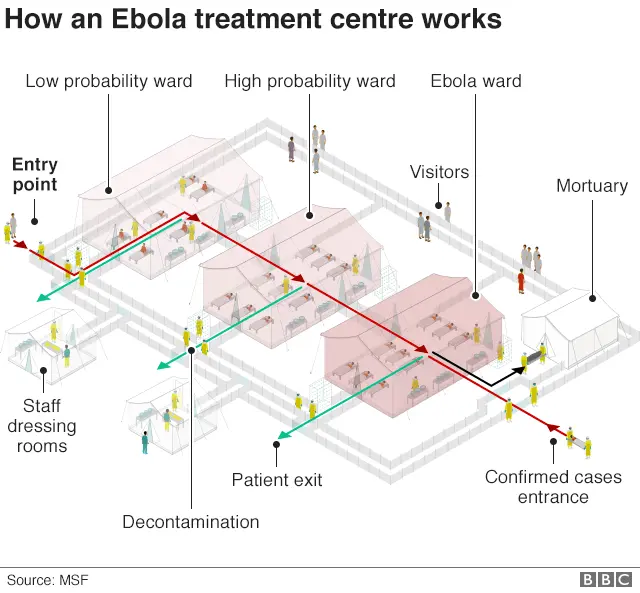
Another challenge is the logistical complexity of conducting trials in a region with limited infrastructure. The affected areas are often inaccessible due to ongoing conflicts, which has made it difficult to deliver medical supplies and reach patients in a timely manner. The WHO has partnered with local organizations to overcome these obstacles, but the situation remains precarious.
There is also the issue of public trust. In the DRC, there have been instances of mistrust toward government and international health organizations, particularly in regions affected by conflict. The WHO has emphasized the importance of community engagement, working with local leaders to educate residents about the trials and address any concerns. This effort is crucial for ensuring participation and adherence to the trial protocols.
What Are the Broader Implications?
The outcomes of these trials could have far-reaching implications for global health. If successful, the treatments could become standard care for Ebola patients, significantly reducing mortality rates. The WHO has also highlighted the potential for these treatments to be used in other regions experiencing Ebola outbreaks, such as West Africa, where the virus has historically been more prevalent.
