Electric vehicle (EV) owners in the Czech Republic can save up to 123,000 CZK over four years compared to those driving internal combustion engine vehicles, according to local media reports. However, actual operating costs vary significantly based on charging infrastructure access, as demonstrated by users who rely exclusively on higher-cost public fast chargers.
- Some Czech drivers may see savings of 123,000 CZK by 2026 when comparing EVs to traditional combustion engines.
- Operating costs fluctuate based on charging methods, with public fast chargers increasing daily expenses.
- Long-term ownership data spanning five years has triggered public debate regarding the actual economic viability of electromobility.
How Charging Habits Influence EV Operating Costs
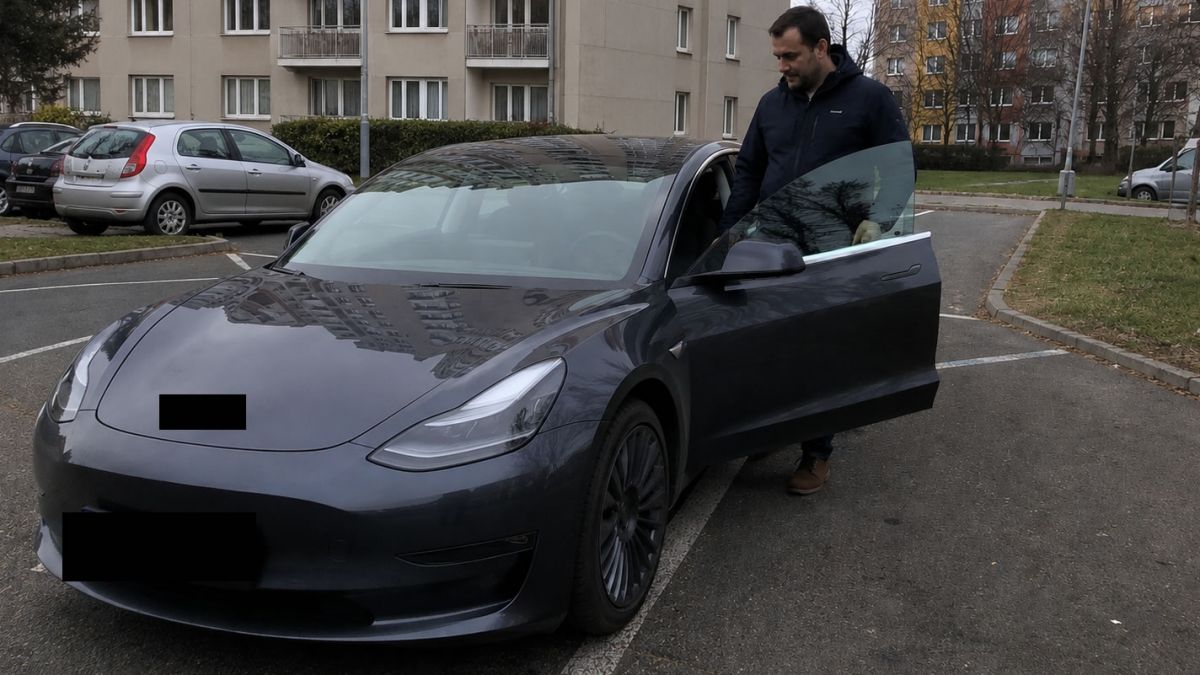
The economic advantage of owning an electric vehicle is heavily dependent on where the car is powered. According to local media reports, a user named Lukáš has tracked the expenses of his used electric vehicle over the past year. Unlike many EV advocates who emphasize home charging, Lukáš relies solely on public fast chargers for his energy needs.
This specific charging behavior alters the cost-benefit analysis of the vehicle. While home charging typically offers the lowest per-kilometer rate, the reliance on fast-charging networks introduces higher operational costs that can erode the potential savings usually associated with electric drivetrains.
Comparing EV and Internal Combustion Engine Expenses Through 2026
Financial projections for the Czech market suggest a stark difference in total cost of ownership over a four-year horizon. According to reported data, some drivers could save as much as 123,000 CZK by 2026 when choosing an electric vehicle over a traditional combustion engine car.
These savings generally stem from lower maintenance requirements and the difference between electricity and fuel prices. However, these figures represent a potential ceiling rather than a guaranteed outcome, as the actual amount saved depends on the vehicle’s initial purchase price, the mileage driven, and the specific energy tariffs utilized by the owner.
Long-Term Ownership and the Five-Year Cost Debate
The transition to electromobility has sparked significant debate over whether the promised savings materialize over the long term. A detailed analysis of costs over a five-year ownership period has recently surfaced in local reports, aiming to present a view of EV ownership without the typical industry optimism.
The data from this five-year study triggered a “stormy discussion” among consumers and analysts. The core of the conflict lies in the contrast between theoretical savings—such as the 123,000 CZK figure—and the lived experience of owners who face battery degradation, fluctuating electricity prices, and the higher cost of public infrastructure.
