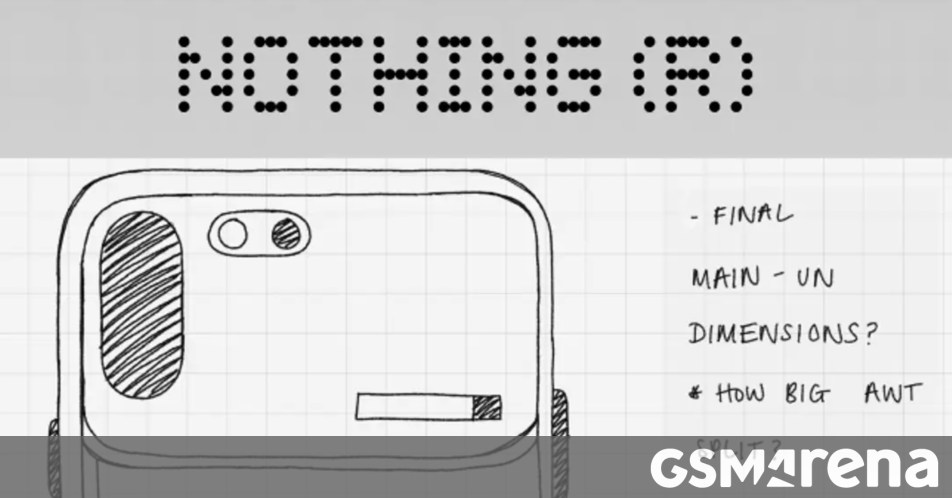
Nothing Phone (4b) spotted on Geekbench ahead of launch – GSMArena.com news – GSMArena.com
A Nothing Phone (4b) has appeared on the Geekbench benchmarking platform, signaling the imminent release of a new budget-oriented device from the London-based tech company. According to reports from Basic Tutorials, the device is scheduled to launch on July 7. This development follows an official announcement from Nothing regarding a new “product series B” and comes amid reports from Mashable and GSMArena that the company has canceled several upcoming CMF Phone Pro models due to increasing component costs.
What do the Geekbench leaks reveal about the Nothing Phone (4b)?
The appearance of the Nothing Phone (4b) on Geekbench provides the first concrete evidence that the company is expanding its hardware portfolio into a more accessible price bracket. While full technical specifications remain under wraps, the presence of the device on a benchmarking site typically indicates that the hardware is in the final stages of testing before a commercial rollout. This sighting aligns with the “Nothing Phone (4b) spotted on Geekbench ahead of launch – GSMArena.com news – GSMArena.com” reports, which suggest a strategic shift toward budget-friendly hardware.
Industry analysts often view “b” designations in smartphone naming conventions as indicators of “budget” or “basic” versions of existing flagship lines. By leveraging the “4” series branding but adding a “b” suffix, Nothing appears to be positioning this device as a more affordable entry point into its ecosystem without completely abandoning the aesthetics of its primary line.
Key details regarding the launch timeline include:
- Reported Launch Date: July 7, according to Basic Tutorials.
- Verification Method: Device identification via Geekbench performance scores.
- Market Segment: Budget/Entry-level smartphone.
How does “Product Series B” fit into Nothing’s strategy?
The Hindu reports that Nothing has officially announced a new product category dubbed “Series B.” This announcement provides the institutional context for the Phone (4b) leak. Rather than releasing a single budget phone, the company is establishing a dedicated series designed to capture a different demographic of users—those who value the brand’s design language but cannot afford the premium pricing of the flagship Phone (2) or the anticipated Phone (3).
The introduction of Series B suggests a move toward a tiered product architecture. In this model, the flagship devices drive brand prestige and technical innovation, while Series B handles volume and market penetration. This is a common strategy used by established manufacturers to scale their user base and increase the adoption of their proprietary software skins and ecosystem accessories.
The shift toward a “Series B” indicates that Nothing is no longer focusing solely on the enthusiast market but is actively pursuing the mass-market budget segment.
Why did Nothing cancel the CMF Phone Pro 2 and Phone 3 Pro?
The arrival of the Phone (4b) coincides with a significant contraction in Nothing’s CMF sub-brand. Mashable reports that Nothing has canceled the successor to the CMF Phone Pro 2. Similarly, GSMArena reports that the CMF Phone 3 Pro has also been scrapped from the company’s roadmap.
The primary driver for these cancellations is economic. According to Mashable, rising RAM costs have made the “Pro” versions of the CMF line financially unviable. Because the CMF brand is positioned as an ultra-budget alternative, the margins are already thin. When the cost of essential components like LPDDR memory increases, the price of the device must either rise—pushing it out of the budget category—or the company must accept a loss on every unit sold.
The following table illustrates the contrast between the canceled CMF Pro line and the emerging Phone (4b) strategy:
| Product Line | Status | Primary Driver/Reason | Market Position |
|---|---|---|---|
| CMF Phone Pro 2 | Canceled | Rising RAM costs (per Mashable) | Ultra-budget “Pro” |
| CMF Phone 3 Pro | Canceled | Component pricing (per GSMArena) | Ultra-budget “Pro” |
| Nothing Phone (4b) | Upcoming | Series B expansion | Accessible Budget |
The impact of RAM price volatility on budget smartphone production
The cancellation of the CMF Pro devices highlights a broader vulnerability in the budget smartphone market. Memory chips (RAM and NAND flash) are commodities subject to significant price swings based on global supply and demand. When RAM costs spike, manufacturers of high-end phones can absorb the cost or pass it on to consumers who are less price-sensitive.
Budget brands, however, operate on razor-thin margins. A price increase of a few dollars per unit in RAM can eliminate the profit margin entirely. By canceling the CMF Pro line and pivoting toward the Phone (4b) under the “Series B” banner, Nothing may be attempting to re-index its budget offerings at a slightly higher price point that can better withstand component price volatility while still remaining “budget” relative to the flagships.
This pivot suggests that Nothing is prioritizing the sustainability of its hardware margins over the desire to offer a “Pro” experience at an ultra-low price. It is a move from “maximum specs for minimum price” to “balanced specs for sustainable price.”
Comparing the Phone (4b) to previous Nothing budget attempts
Nothing’s approach to the budget market has evolved since its inception. The company initially focused on a singular, high-design identity. The introduction of the CMF brand was an attempt to decouple the “budget” experience from the main “Nothing” brand to avoid diluting the flagship’s prestige.
However, the current trajectory—integrating the (4b) into the main Nothing branding via “Series B”—suggests a change in philosophy. Instead of hiding its budget phones under a sub-brand, Nothing is now bringing them under the primary brand umbrella. This could be an attempt to leverage the “Nothing” name to command a slightly higher premium than the “CMF” name could, thereby offsetting the RAM costs mentioned by Mashable.
For readers interested in how this affects the broader ecosystem, a related explainer on smartphone component pricing may provide further context on why RAM costs fluctuate.
Potential specifications and expectations for the July 7 launch
While official specs are not yet available, the “b” designation and the context of the CMF cancellations allow for some informed projections. To remain viable amidst rising RAM costs, Nothing is likely to optimize the Phone (4b) in the following ways:
- Memory Configuration: The device may launch with more conservative RAM options (e.g., 6GB or 8GB) rather than the higher capacities found in “Pro” models.
- Processor Choice: To keep costs down, the Phone (4b) will likely utilize a mid-range chipset from Qualcomm or MediaTek that balances efficiency with cost.
- Design: It is expected to retain the signature transparent design elements that define the Nothing brand, as this is the company’s primary competitive advantage in a crowded budget market.
- Software: The device will likely run a streamlined version of Nothing OS, focusing on stability and core features to ensure performance on lower-end hardware.
The July 7 launch date reported by Basic Tutorials suggests a rapid turnaround from the Geekbench leak, indicating that the device is likely already in mass production.
Market implications for the budget smartphone sector
The entry of a “Series B” from Nothing puts additional pressure on other budget-focused manufacturers. Most budget phones compete on raw specifications—offering the highest RAM and fastest charger for the lowest price. Nothing is attempting to compete on identity and industrial design.
If the Phone (4b) succeeds, it proves that consumers are willing to pay a slight premium for a device that looks and feels distinct, even if the internal specifications are not the absolute highest in its price bracket. This would mark a shift in the budget segment from a “spec war” to a “design war.”
Furthermore, the cancellation of the CMF Pro line serves as a warning to other manufacturers. It demonstrates that even agile, modern companies are susceptible to the whims of the semiconductor supply chain. The decision to kill a product line due to RAM costs is a stark reminder of how interconnected hardware design is with global commodity markets.
Frequently Asked Questions
What is the Nothing Phone (4b)?
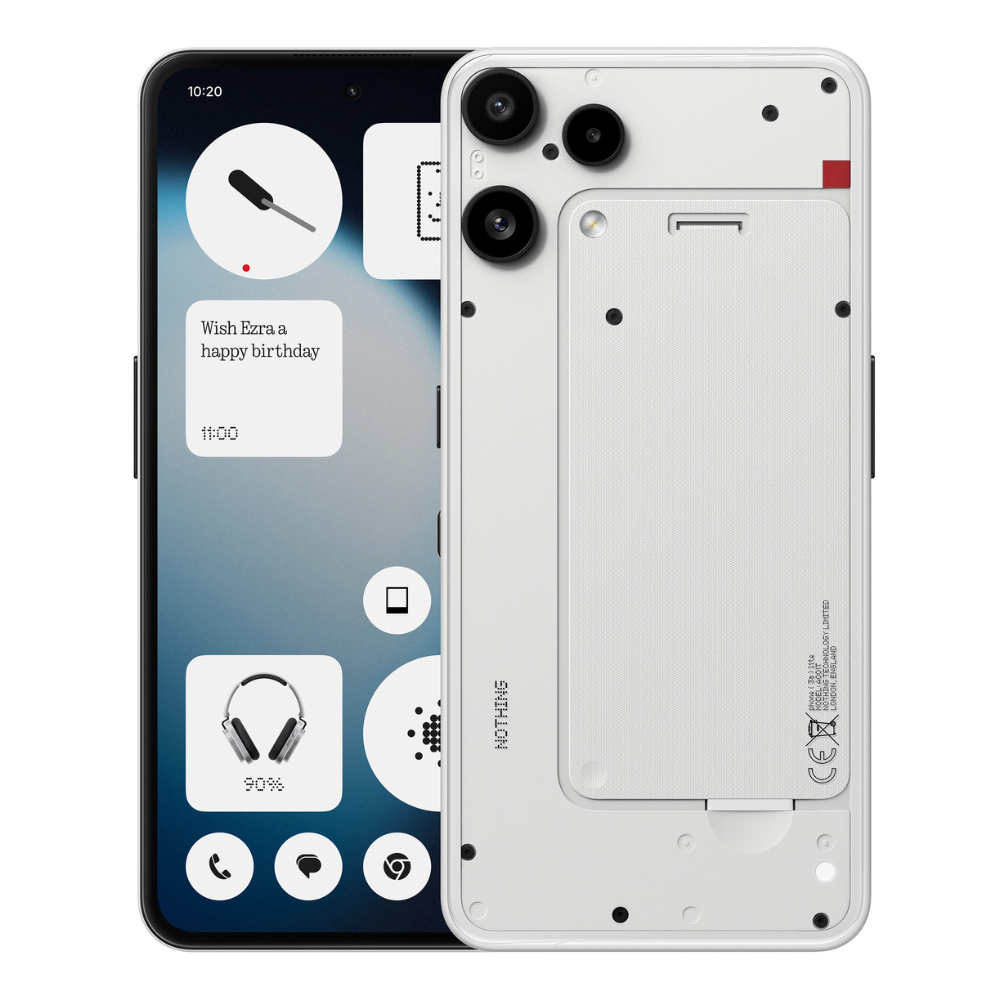
The Nothing Phone (4b) is an upcoming budget-friendly smartphone from Nothing. It was recently spotted on Geekbench and is expected to be part of the company’s new “Series B” product line, aimed at providing a more affordable entry point into the Nothing ecosystem.
When is the Nothing Phone (4b) launching?
According to reports from Basic Tutorials, the Nothing Phone (4b) is scheduled to launch on July 7.
Why were the CMF Phone Pro 2 and Phone 3 Pro canceled?
Reports from Mashable and GSMArena indicate that these devices were canceled due to the rising costs of RAM, which made the production of “Pro” budget devices financially unsustainable for the company.
What does “Series B” mean for Nothing?
Series B is a new product category announced by Nothing, as reported by The Hindu. It represents a strategic expansion into budget-tier hardware, allowing the company to reach a wider audience while maintaining its distinct design language.
Will the Phone (4b) have the same specs as the flagship models?
No. As a budget-oriented “b” series device, it is expected to have more modest specifications than the flagship Phone (2) or (3), particularly regarding RAM and processing power, to maintain a lower retail price.
The convergence of the Geekbench leak, the “Series B” announcement, and the CMF line cancellations points to a calculated reorganization of Nothing’s hardware strategy. By consolidating its budget efforts into the Phone (4b) and the Series B line, the company is attempting to navigate a volatile component market while expanding its global footprint. The July 7 launch will determine if the market accepts a design-led approach to budget smartphones over a specification-led one.
