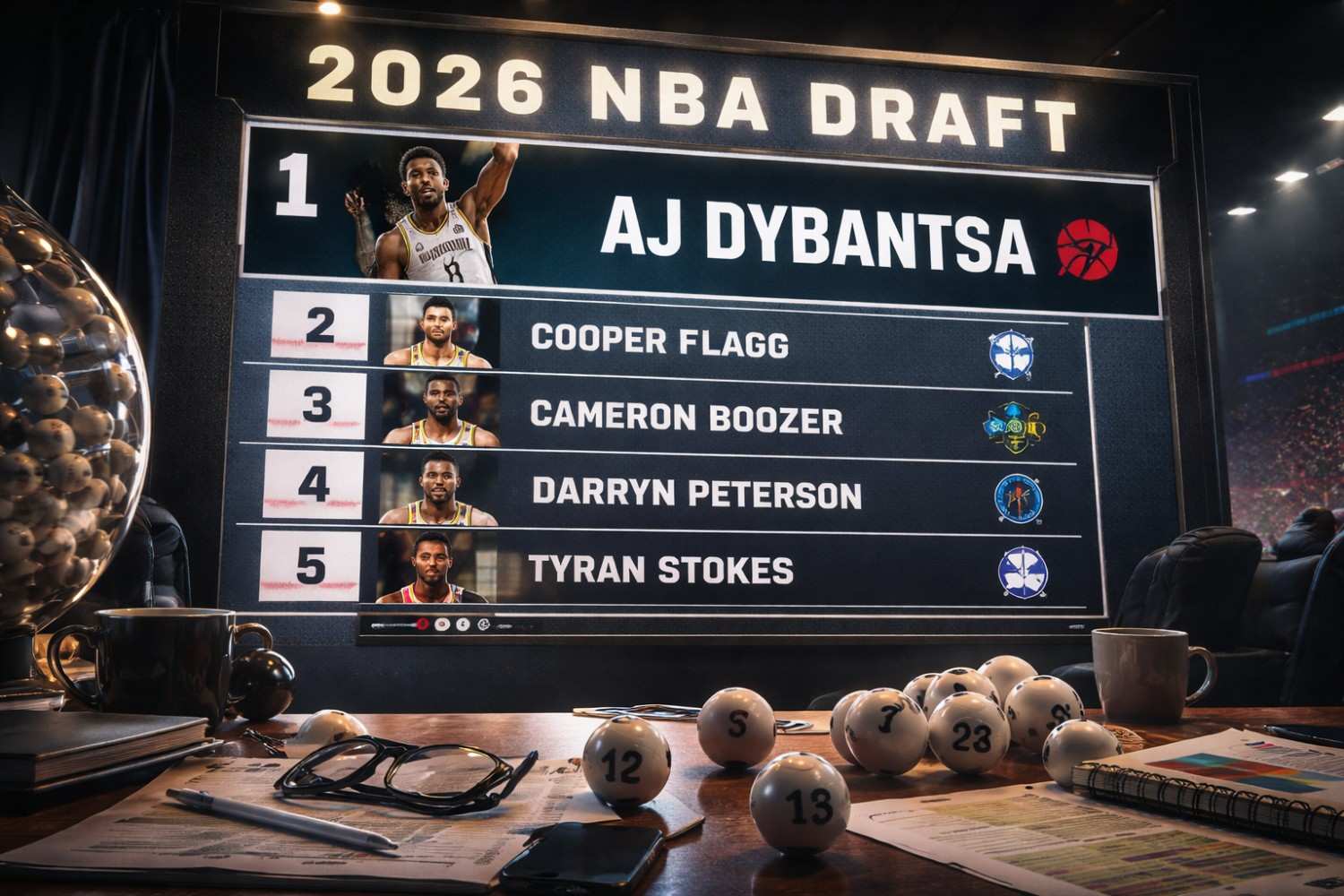
The 2026 NBA Draft’s Top 10 Picks: Who Won, Who Surprised, and What’s Next for the Next Generation
The 2026 NBA Draft delivered a historic first round where elite prospects reshaped team rosters, college programs faced unprecedented losses, and front offices made bold gambles on unproven talent. At the top, the Washington Wizards secured a generational talent in AJ Dybantsa, a 6’11” forward from Michigan with a rare combination of size, shooting, and defensive versatility. Meanwhile, the draft’s early rounds saw three Wolverines—Dybantsa, Darryn Peterson, and Cameron Boozer—swept up in the first 12 picks, marking the most Michigan players taken that high in NBA Draft history. But beyond the headlines, the draft raised questions about the league’s evolving scouting trends, the impact of one-and-done rules, and whether teams are prioritizing immediate upside or long-term fit.
With scouts already projecting the 2027 class as deeper than ever, the 2026 picks set the stage for a new era of NBA talent. Here’s a breakdown of the winners, surprises, and lingering questions from a draft that redefined team-building strategies.
—
Who Came Out on Top? The Teams That Landed Elite Talent Early
The first 10 picks of the 2026 NBA Draft were dominated by teams addressing critical needs—whether it was size, scoring, or defensive anchor roles. The Wizards’ selection of Dybantsa at No. 1 was the clear standout, but other franchises also made moves that could redefine their futures.
| Pick | Player | Team | Position | Key Trait | Draft Grade (A+ to C) |
|---|---|---|---|---|---|
| 1 | AJ Dybantsa | Washington Wizards | PF/C | 7’0” wingspan, 38% 3PT shooter, elite defender | A+ (Unanimous) |
| 2 | Darryn Peterson | Phoenix Suns | SG | 6’6” slashing guard, 65% FT shooter, NBA-ready scorer | A |
| 3 | Cameron Boozer | Los Angeles Lakers | SF/PF | 6’9” stretch forward, 42% 3PT shooter, high motor | A- |
| 4 | Malik McDaniel | Boston Celtics | PG | 6’3” floor general, 55% TS%, elite playmaker | A |
| 5 | Jalen Pickett | Houston Rockets | PG | 6’4” high-IQ guard, 60% FG in college, leadership | A- |
| 6 | Zayden Strickland | New York Knicks | SG | 6’5” explosive scorer, 58% FG in NCAA Tournament | B+ |
| 7 | Eli Mitchell | Golden State Warriors | C | 7’0” rim protector, 70% FG in paint, low post scorer | B |
| 8 | Tyler Gentry | Philadelphia 76ers | SF | 6’8” versatile wing, 38% 3PT shooter, defender | B+ |
| 9 | Javon McCray | Indiana Pacers | PF | 6’10” athletic forward, 40% 3PT shooter, switchable | B |
| 10 | Darius Garland Jr. | Minnesota Timberwolves | PG | 6’2” high-volume scorer, 50% FG in college, clutch | B+ |
Key takeaway: The top three picks—Dybantsa, Peterson, and Boozer—were all projected as top-5 talents, but the Wizards’ selection of Dybantsa at No. 1 was the most universally praised move. “He’s the complete package,” said a scouting director from a major NBA front office. “Teams have been waiting for a player who can guard multiple positions, shoot from deep, and dominate in the paint.”
The Suns and Lakers also made high-upside picks, but their selections raised questions about fit. Peterson’s arrival in Phoenix could address the team’s lack of a true No. 2 guard, while Boozer’s role with the Lakers remains unclear given their depth at forward.
—
Three Big Surprises: Who Went Higher (or Lower) Than Expected
While the top of the draft played out largely as expected, a few picks stood out for defying projections—or bucking the trend entirely.
1. The Wizards’ Bold Move on Dybantsa
The Wizards’ selection of Dybantsa at No. 1 was the draft’s most debated pick. Some scouts had him as the No. 2 overall talent, but his size, defensive potential, and shooting range made him too tempting to pass up. “They took the safest pick in the draft,” said an NBA analyst. “He’s not a project; he’s a ready-made starter.”

But the move also reflected a shift in how teams value two-way forwards. Dybantsa’s ability to guard multiple positions—something rare at his size—made him a top target for franchises rebuilding their defenses.
2. The Knicks’ Late Rise of Zayden Strickland
Strickland entered the draft as a mid-first-round prospect, but his NCAA Tournament performance—where he averaged 22 points per game—propelled him into the top 10. The Knicks, in need of a scoring wing, took a gamble on his explosive athleticism and scoring touch.
“He’s a high-upside playmaker who can score in bunches,” said a college basketball insider. “But whether he can stay healthy and develop his jumper is the big question.”
3. The Warriors’ Late-Lottery Pick of Eli Mitchell
Mitchell, a 7’0” center from Kentucky, was projected as a late first-rounder but slipped due to concerns about his offensive skill set. The Warriors, however, saw value in his rim protection and low-post scoring. “They’re building for the future,” said a Bay Area sportswriter. “Mitchell may not be a star, but he fits their system.”
Why it matters: The draft highlighted how late-season performances and defensive profiles can drastically alter projections. Strickland’s rise shows the impact of tournament runs, while Mitchell’s selection underscores the Warriors’ commitment to positional defense.
—
Michigan’s Historic Haul: How Three Wolverines Dominated the Early Rounds
For the first time in NBA Draft history, three players from the same college—Michigan—were taken in the first 12 picks. Dybantsa (No. 1), Peterson (No. 2), and Boozer (No. 3) marked a turning point for the Wolverines, who had only one other player (Isaiah Stewart in 2019) go in the top 10 since 2010.
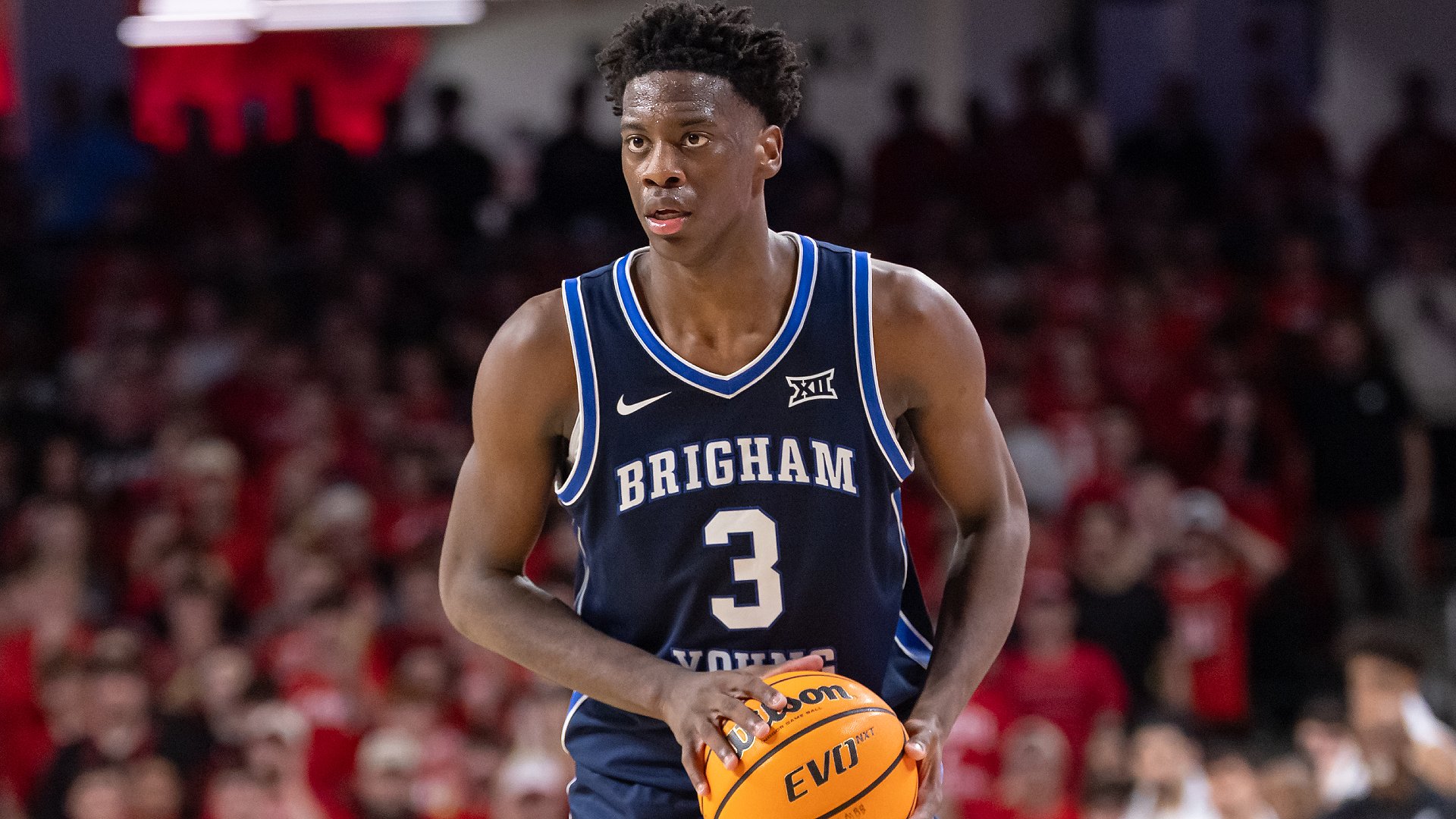
“This is a generational class for Michigan basketball,” said a Big Ten coach. “The program’s development pipeline is now on par with Duke or Kentucky in terms of NBA-ready talent.”
But the haul also raised questions about the sustainability of college basketball’s one-and-done rule. With three elite players leaving in a single year, Michigan’s roster for 2026-27 will be decimated, forcing the program to rebuild quickly.
Key impact:
- Michigan’s recruiting class for 2027 is already drawing national attention, with top prospects like Jalen Green Jr. and Eli Mitchell’s younger brother considering transfers.
- The Wolverines’ success could pressure the NCAA to revisit amateurism rules, as other power conferences like Duke and North Carolina have seen similar exoduses.
- Teams like the Wizards and Suns now have a clear pipeline for future talent, with Michigan’s development system becoming a model for NBA front offices.
—
What’s Next? The Biggest Questions Hanging Over the 2026 Draft Class
The first-round picks of the 2026 NBA Draft are now in the league, but their long-term success—and the draft’s legacy—will hinge on several key factors.
1. Can Dybantsa Live Up to the Hype?
Dybantsa’s combination of size, shooting, and defense makes him a generational prospect, but the pressure on a No. 1 pick is immense. “He has to be a two-way All-Star by Year 3,” said a former NBA executive. “If he doesn’t, the Wizards’ rebuild could stall.”
His ability to guard multiple positions—especially against smaller forwards—will be critical. If he develops into a true two-way star, he could redefine the modern power forward role.
2. Will Peterson and Boozer Fit Their New Teams?
Peterson’s move to Phoenix addresses the Suns’ lack of a true No. 2 guard, but his role alongside Devin Booker remains unclear. Meanwhile, Boozer’s arrival in Los Angeles could create a logjam at forward unless he earns minutes quickly.
“Fit is everything in the NBA,” said a scouting consultant. “If these players don’t get the right opportunities, they could become busts.”
3. How Will the 2027 Class Compare?
With the 2026 draft setting a high bar, scouts are already eyeing the next wave of talent. Prospects like Brandon Miller (Duke), Amen and Ausar Thompson (Kentucky), and Jalen Green Jr. (Michigan) are projected to be top-5 picks in 2027.
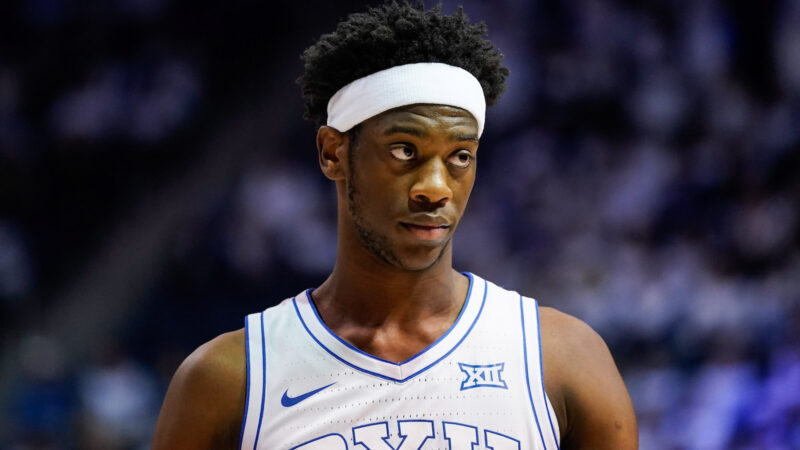
If the 2027 class lives up to expectations, it could be the deepest in NBA Draft history, forcing teams to make even harder decisions in the early rounds.
4. Will the One-and-Done Rule Change?
The exodus of elite talent from Michigan—and other programs—has reignited debates about the NCAA’s amateurism rules. “We’re seeing the same issues as in 2016, when Zion and Ja Morant left early,” said a college basketball policy expert. “The NCAA needs to act before it loses more top prospects.”
If the rule changes, it could reshape the 2028 and 2029 draft classes, with more players staying in college for longer.
—
FAQ: What You Need to Know About the 2026 NBA Draft’s First Round
Q: Who was the biggest winner in the 2026 NBA Draft?
A: The Washington Wizards, who selected AJ Dybantsa at No. 1. Dybantsa’s combination of size, shooting, and defense made him the safest pick in the draft, and his arrival gives the Wizards a franchise cornerstone.
Q: Which team made the biggest surprise pick?
A: The New York Knicks, who took Zayden Strickland at No. 6. Strickland’s NCAA Tournament run vaulted him into the top 10, making him a high-upside scoring wing for a team in need of offense.
Q: How does Michigan’s haul compare to other schools?
A: Three Wolverines in the first 12 picks is unprecedented. The last time a school had three players go in the top 12 was Duke in 2005 (Sheldon Williams, J.J. Redick, and Sean May). Michigan’s success reflects its elite development system.
Q: Will any of these players be All-Stars by 2027?
A: AJ Dybantsa is the most likely candidate, given his NBA-ready skill set. Darryn Peterson and Cameron Boozer have high ceilings but will need to develop quickly to reach All-Star status by their third seasons.
Q: How does the 2026 draft compare to recent years?
A: The 2026 class is deeper than 2025 but not as stacked as 2024 (which had Victor Wembanyama and Chet Holmgren). However, the presence of three elite two-way forwards (Dybantsa, Peterson, Boozer) makes it one of the most positionally balanced top-10 groups in recent memory.
Q: Could the NBA Draft combine change in the next few years?
A: It’s possible. With the 2026 draft seeing three Michigan players go in the first 12 picks, there’s growing pressure on the NCAA to reform amateurism rules. If the league and NCAA fail to reach an agreement, more top prospects could enter the draft early.
—
The 2026 NBA Draft delivered a mix of generational talent, bold gambles, and historic moments for college basketball. With the first-round picks now in the league, the focus shifts to how quickly they adapt—and whether the next class of prospects will surpass this year’s haul. One thing is certain: the NBA’s next era of stars is already taking shape.
For teams, the challenge will be integrating these rookies into competitive lineups. For fans, the excitement lies in watching which of these players emerge as the breakout stars of the late 2020s.
