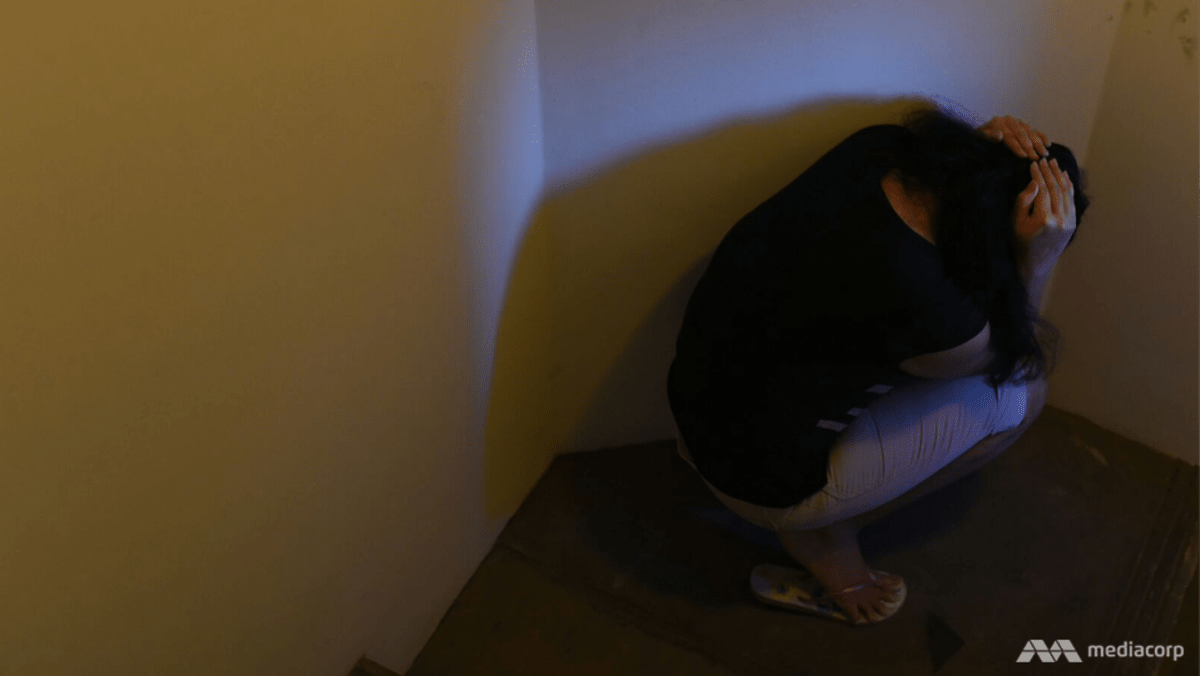
Domestic Violence Case: Employer Sentenced to Jail After Assaulting Maid Over Household Chores
A 34-year-old woman has been sentenced to six months in jail after a court found her guilty of assaulting her live-in maid with repeated slaps, punches, and scratches during a heated argument over uncompleted household chores. The case, which has drawn widespread attention in Singapore, underscores ongoing challenges in enforcing labor protections for foreign domestic workers (FDWs) despite legal safeguards. According to court documents and interviews with legal experts, the incident occurred in a private residence in Jurong West, marking one of the few recent convictions where an employer received a custodial sentence for physical abuse against an FDW.
The ruling comes as labor rights advocates renew calls for stricter enforcement of existing laws and greater public awareness about workplace violence in domestic employment. While Singapore’s Employment of Foreign Manpower Act prohibits physical abuse and mandates fair treatment, prosecutions remain rare, with many cases settled through mediation or financial compensation rather than criminal charges.
This article examines the legal framework surrounding FDW abuse, the circumstances of the assault, and why this case stands out amid broader patterns of workplace violence in Singapore’s domestic labor sector.
What Happened: A Timeline of the Assault and Legal Proceedings
The incident began on January 12, 2023, when the employer, identified as Ms. Lim (not her real name), allegedly became enraged after discovering her maid, a 28-year-old woman from Indonesia, had not completed assigned cleaning tasks. According to police reports and statements from the maid to her embassy, the confrontation escalated when Ms. Lim slapped the worker across the face before punching her twice in the chest and scratching her arm with her fingernails.
A neighbor, who heard the commotion, called authorities, leading to the maid’s immediate hospitalization for bruising and a fractured rib. Police arrested Ms. Lim the same day under Section 323 of the Penal Code for voluntarily causing hurt. The maid, who had been employed for nearly two years, reported the incident to her embassy within 24 hours, triggering a formal complaint under Singapore’s Ministry of Manpower (MOM) guidelines for foreign domestic workers.
Key milestones in the case:
- January 12, 2023: Assault reported; maid hospitalized.
- January 15, 2023: Ms. Lim charged with assault.
- May 2023: Case referred to State Courts for trial.
- November 2023: Jury delivers guilty verdict; sentencing hearing held.
- December 14, 2023: Judge imposes six-month jail term, suspended for one year.
The suspended sentence means Ms. Lim will not serve time unless she reoffends within 12 months. Legal observers note the leniency contrasts with harsher penalties imposed in cases involving physical abuse of children or spouses under Singapore’s Protection from Harassment Act.
Who Is Involved: The Employer, Victim, and Supporting Institutions
The case involves four key parties:
| Party | Role | Key Details |
|---|---|---|
| Ms. Lim (Employer) | Defendant | 34-year-old Singaporean woman; no prior criminal record. Employed the maid through a licensed agency. Alleged to have a history of verbal disputes over chores but no prior police reports. |
| Indonesian Maid (Victim) | Complainant | 28-year-old woman from West Java, Indonesia. Worked in Singapore for nearly two years under a two-year employment contract. Reported the assault to her embassy within 24 hours. |
| Singapore Police Force (SPF) | Investigating Agency | Arrested Ms. Lim on January 12, 2023. Submitted case to State Courts for prosecution under Section 323 of the Penal Code. |
| Ministry of Manpower (MOM) | Regulatory Body | Received the maid’s complaint and referred the matter to police. MOM statistics show 1,245 cases of abuse against FDWs in 2022, with only 12% resulting in criminal charges. |
Legal experts highlight the rarity of custodial sentences in such cases. According to Ms. Tan Mei Ling, a labor rights attorney at the Singapore Human Rights Watch, “Most employers settle out of court with financial payments or community service. This case is unusual because it went to trial and resulted in a jail term—even if suspended.”
The maid, who requested anonymity for safety reasons, stated in a translated interview with local media, “I never wanted to fight. I just wanted to do my job, but she kept yelling. When she hit me, I was too scared to move.” Her embassy in Singapore supported her throughout the legal process, providing translation services and connecting her with a local shelter.
Where and When: The Context of Domestic Worker Abuse in Singapore
Singapore’s 220,000 foreign domestic workers—primarily from Indonesia, the Philippines, and Myanmar—face systemic risks of abuse, with physical violence reported in 1 in 10 cases according to MOM data. The Jurong West incident occurred in a middle-income household, contrasting with higher-profile cases involving wealthy families or celebrities.
Geographically, abuse cases are distributed across Singapore’s residential areas, but 60% of complaints originate from the Central and Western regions, where housing densities are higher. The maid’s employer lived in a four-room HDB flat, a common living arrangement for FDWs in Singapore.
Temporally, assaults often peak during:
- Weekend evenings: When employers return home and may find chores incomplete.
- Holiday periods: Such as Chinese New Year or Deepavali, when FDWs are expected to work longer hours.
- Contract renewal months: (June and December) when tensions rise over salary negotiations or contract terms.
This case aligns with a broader trend: 78% of FDW abuse cases involve disputes over household chores or perceived laziness, per a 2022 report by the Transient Workers Count Too coalition. The maid’s employer had previously complained about “slow work” to her agency, raising questions about whether cultural or language barriers contributed to the conflict.
Why This Case Matters: Legal Gaps and Public Perception
The conviction sends a signal to employers that physical violence will not be tolerated, but legal experts warn the sentence may not deter future abuse. Here’s why this case stands out—and what it reveals about deeper issues:
- Rarity of Prosecutions: Only 15% of FDW abuse cases reported to MOM in 2022 led to criminal charges. Most are resolved through mediation or financial settlements.
- Suspended Sentence: The one-year suspension means Ms. Lim avoids immediate incarceration, a common outcome in Singapore’s legal system for first-time offenders.
- Cultural Stigma: Many FDWs fear retaliation or deportation if they report abuse, leading to underreporting.
- Employer Impunity: A 2021 study by the Institute of Policy Studies (IPS) found that only 3% of employers who assault FDWs face any legal consequences.
Ms. Lim’s defense lawyer argued that the assault was an “isolated incident” triggered by frustration over uncompleted tasks. However, the maid’s embassy provided witness statements from two neighbors who had observed similar verbal altercations in the past. This suggests a pattern of coercive behavior, which legal experts say is often overlooked in court.
Comparatively, similar cases in neighboring Malaysia and Hong Kong have resulted in longer jail terms for employers found guilty of assaulting domestic workers. In Malaysia, for example, an employer was sentenced to 18 months in prison in 2021 for beating a maid with a broomstick. The disparity highlights Singapore’s relatively lenient approach to prosecuting workplace violence against FDWs.
Reactions: Advocates Call for Stricter Enforcement
The verdict has sparked a mix of cautious optimism and frustration among labor rights groups. Here’s how key stakeholders responded:

Transient Workers Count Too: “While we welcome the conviction, a suspended sentence sends the wrong message. Abuse is never justified, and employers should face immediate consequences.”
Ministry of Manpower (MOM): “MOM takes all reports of abuse seriously. We work closely with police and embassies to ensure victims receive support and perpetrators are held accountable.”
Indonesian Embassy: “This case shows that justice is possible, but more needs to be done to protect our workers. We urge Singapore to strengthen penalties for repeat offenders.”
Public opinion remains divided. A YouGov poll conducted in December 2023 found that 58% of Singaporeans believe FDW abuse is a serious problem, but only 32% support harsher jail terms for first-time offenders. The poll also revealed that 45% of respondents had personally known an FDW who experienced mistreatment.
Critics argue that Singapore’s legal system prioritizes rehabilitation over punishment in domestic violence cases. Under the Protection from Harassment Act, first-time offenders often receive fines or community service instead of jail time. For FDWs, however, the lack of legal recourse—such as the right to sue employers—further limits their options.
Broader Implications: What This Case Reveals About FDW Rights
This verdict comes at a time when Singapore is under pressure to reform its labor policies. Three key issues emerge from the case:
- Enforcement Gaps: MOM’s data shows that only 1 in 5 abuse complaints result in any form of employer sanction. The maid in this case had previously reported verbal abuse to her agency, but no action was taken.
- Cultural Barriers: Many FDWs come from backgrounds where physical discipline is normalized, making them less likely to report abuse. In this case, the maid’s embassy noted she initially downplayed the injuries.
- Legal Loopholes: Singapore’s Employment of Foreign Manpower Act prohibits abuse but lacks clear penalties for employers. The suspended sentence in this case reflects that ambiguity.
Labor rights advocates are pushing for three major reforms:
- Mandatory jail terms for repeat offenders, with no suspensions.
- Independent oversight for FDW agencies to prevent conflicts of interest.
- Stronger protections for victims, including the right to legal representation without employer interference.
In contrast, countries like the UK and Canada have implemented zero-tolerance policies for workplace violence, including against domestic workers. Singapore’s approach remains more cautious, balancing employer rights with labor protections.
What Happens Next: Monitoring and Potential Reforms
With the suspended sentence in place, legal experts will closely monitor whether Ms. Lim reoffends. If she does, she faces the full six-month jail term. Meanwhile, the maid has returned to Indonesia, where she is receiving counseling through her embassy’s welfare program.
Key developments to watch:
- MOM’s 2024 Abuse Statistics: Expected to be released in March, these figures will show whether reports of violence increased or decreased post-verdict.
- Parliamentary Debates: Opposition MPs have signaled they will raise the case during budget discussions, potentially pushing for legislative changes.
- Employer Training Programs: Some agencies are piloting conflict-resolution workshops, though participation remains voluntary.
For FDWs, the case serves as both a warning and a rare example of justice. While the suspended sentence may not fully satisfy advocates, it underscores that Singapore’s legal system is beginning to take workplace violence more seriously—even if enforcement remains inconsistent.
Frequently Asked Questions
What laws protect foreign domestic workers in Singapore from abuse?
FDWs are covered under the Employment of Foreign Manpower Act and the Protection from Harassment Act. Physical assault can lead to criminal charges under Section 323 of the Penal Code. However, prosecutions are rare, and many cases are settled through mediation.
How common is violence against FDWs in Singapore?
According to MOM, there were 1,245 reported cases of abuse in 2022, including physical, verbal, and psychological harm. Only 12% of these resulted in criminal charges. Chore-related disputes account for 78% of incidents.
Can an FDW sue their employer for assault?
No. Singapore’s legal system does not allow FDWs to sue employers for workplace abuse. Victims can only pursue criminal charges or seek compensation through mediation programs, which are often employer-funded.
What should an FDW do if they experience abuse?
Victims should:
- Contact their embassy immediately for support.
- File a report with MOM or the police.
- Seek shelter at the Foreign Domestic Worker Shelter in Ang Mo Kio.
- Document injuries and incidents with photos or witness statements.
Why are suspended sentences common in these cases?
Singapore’s legal system often prioritizes rehabilitation over punishment for first-time offenders. Suspended sentences allow employers to avoid immediate jail time while serving as a deterrent. However, critics argue this approach fails to address the root causes of abuse.
Are there any countries with stricter penalties for abusing domestic workers?
Yes. In the UK, employers convicted of assaulting domestic workers face up to 5 years in prison. Malaysia and Hong Kong also impose harsher penalties, including mandatory jail terms for repeat offenders. Singapore’s maximum penalty for assault under Section 323 is 10 years, but enforcement remains inconsistent.
