
No Rest for the Wicked: Developer Cites Xbox Series S Challenges in Delaying Console Release
In a recent update that has sparked considerable discussion among gamers and industry observers, the developers of the highly anticipated action RPG No Rest for the Wicked have acknowledged technical hurdles linked to the Xbox Series S, leading to a delayed console release. This revelation has raised questions about the complexities of cross-platform development and the evolving demands of modern gaming hardware. The game, which has already launched on PC and PlayStation 5, is now set to arrive on Xbox and Nintendo Switch later this year, though the exact timeline remains under review. This article delves into the circumstances surrounding the delay, the developer’s statements, and the broader implications for the gaming industry.
What Happened?
The delay of No Rest for the Wicked on Xbox and Switch stems from the challenges of optimizing the title for the Xbox Series S, a console designed to balance performance with affordability. While the game has already transitioned out of early access on PC and PlayStation 5, the developers at Moon Studios have indicated that the Xbox version requires additional refinement to meet their quality standards. In a public statement, the studio’s leadership highlighted that the Series S’s hardware limitations have necessitated significant adjustments to ensure a seamless experience for players.

The developers emphasized that the delay is not a reflection of the console’s capabilities but rather a strategic decision to prioritize performance and stability. “The Series S is making that rough,” a studio representative noted, alluding to the technical intricacies of adapting the game’s graphics and mechanics for the platform. This statement has resonated with many players, who acknowledge the difficulty of balancing high-fidelity visuals with the constraints of budget-friendly hardware.
The game’s release schedule has been revised to accommodate these adjustments. Originally slated for a simultaneous launch across all platforms, the Xbox and Switch versions will now follow the PC and PlayStation 5 releases. A tentative window for the console rollout has been set for late 2026, though the studio has not yet provided a definitive date.
Who is Involved?
The primary stakeholders in this situation are Moon Studios, the independent developer behind No Rest for the Wicked, and Microsoft, the manufacturer of the Xbox Series S. Moon Studios, known for its dark, action-packed games, has built a reputation for delivering polished experiences despite limited resources. The studio’s decision to delay the Xbox release underscores its commitment to quality, even if it means extending the timeline for some platforms.

Microsoft, faces questions about the viability of the Series S as a competitive console. While the Series S offers robust performance for its price point, its technical specifications fall short of the more powerful Series X. This has led to concerns among developers about the feasibility of creating high-end titles for the platform. The delay of No Rest for the Wicked on Xbox may be seen as a case study in the challenges of cross-platform development in an increasingly fragmented market.
Players and critics have also played a role in shaping the narrative. Social media platforms have been abuzz with discussions about the delay, with some fans expressing frustration over the extended wait and others acknowledging the need for careful optimization. The developer’s transparency in addressing the issue has been praised as a positive step toward maintaining trust with the community.
Key Timeline and Milestones
Understanding the context of the delay requires a look at the game’s development history and release schedule. No Rest for the Wicked first entered early access in 2025, allowing players to provide feedback and test the core mechanics. The studio used this period to refine the game’s combat system, level design, and narrative cohesion. By late 2025, the game had achieved a stable 1.0 release on PC and PlayStation 5, marking a significant milestone for the team.
The decision to delay the Xbox and Switch versions came after a series of internal assessments. Developers identified performance bottlenecks when testing the game on the Series S, particularly in areas involving complex visual effects and high-resolution textures. These challenges were not present on the more powerful Series X or PlayStation 5, leading to the realization that additional work was needed to ensure a consistent experience across all platforms.
The revised release plan, announced in early 2026, reflects the studio’s focus on quality over speed. While the delay may disappoint some players, it aligns with Moon Studios’ track record of prioritizing polish. The studio has also indicated that the Xbox and Switch versions will include platform-specific enhancements, such as optimized control schemes and tailored performance settings.
Why This Matters: Implications for Developers and Players
The delay of No Rest for the Wicked on Xbox highlights broader challenges in the gaming industry, particularly the increasing complexity of cross-platform development. As consoles become more diverse in terms of hardware capabilities, developers must navigate a delicate balance between accessibility and performance. The Xbox Series S, with its lower price point, represents a significant market segment, but its technical constraints can pose hurdles for creators aiming to deliver high-end experiences.
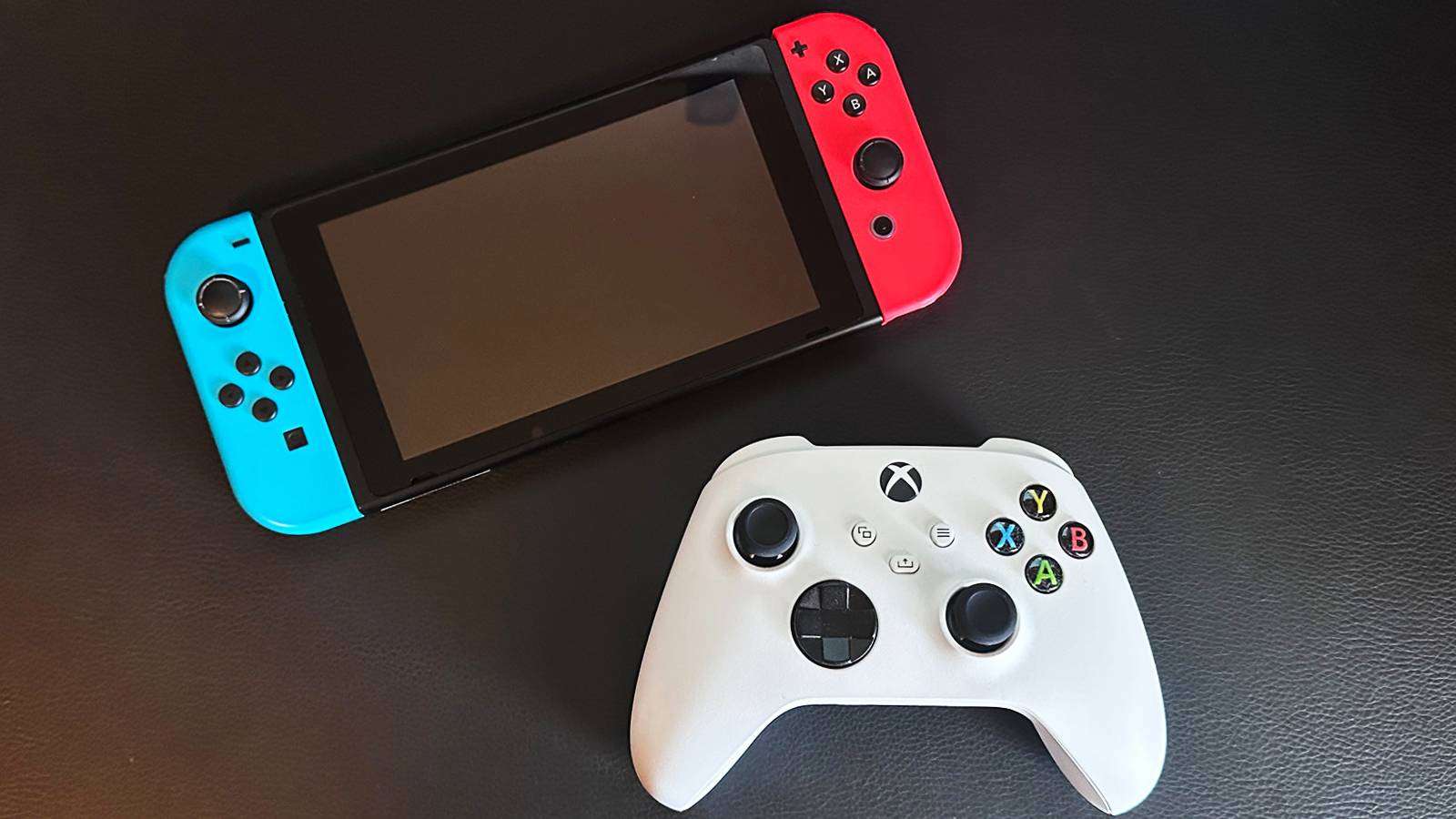
This situation also raises questions about the role of hardware specifications in shaping game development. While the Series S is designed to appeal to budget-conscious gamers, its limitations may deter some studios from investing in titles that demand high-fidelity graphics or resource-intensive features. This could lead to a growing divide between “high-end” and “budget” platforms, with developers potentially prioritizing more powerful consoles to maximize performance and visual fidelity.
For players, the delay underscores the importance of patience in the face of technical challenges. While the wait for the Xbox and Switch versions may be frustrating, it also reflects a commitment to delivering a polished product. The decision to delay the release could serve as a precedent for other developers facing similar issues, encouraging transparency and collaboration between studios and hardware manufacturers.
Reactions and Industry Context
The gaming community has responded to the delay with a mix of understanding and curiosity. Many players have acknowledged the complexity of optimizing games for multiple platforms, particularly when hardware specifications vary significantly. Online forums and social media platforms have seen discussions about the trade-offs between performance and accessibility, with some users expressing support for Moon Studios’ decision to prioritize quality.
Industry analysts have also weighed in on the implications of the delay. Some have pointed to the
