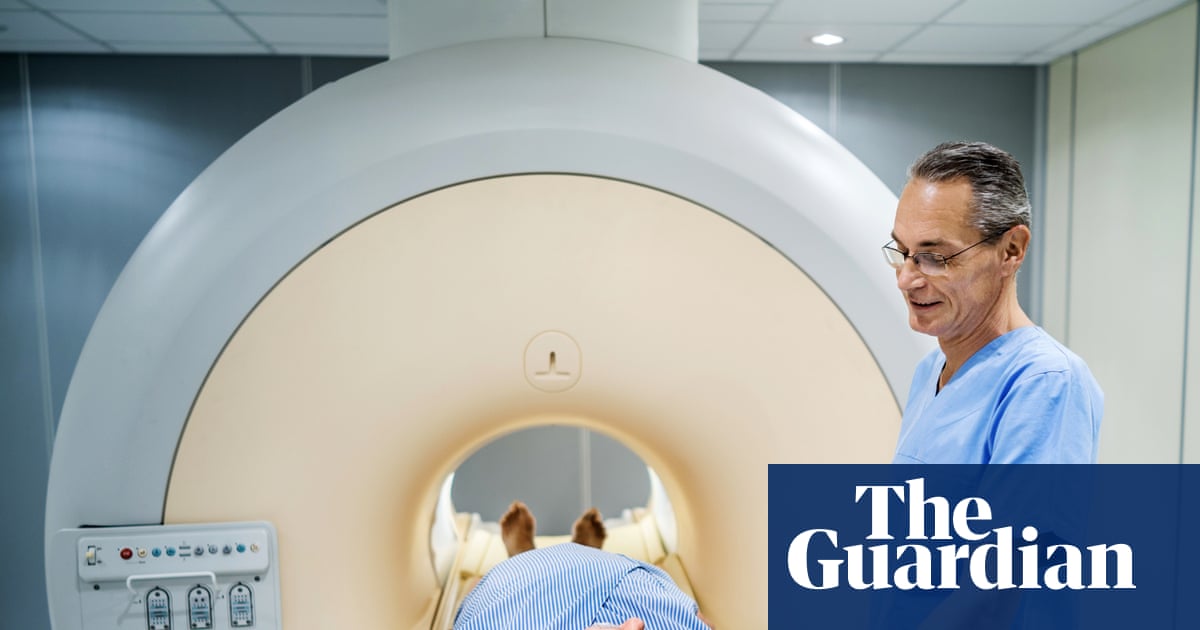
Record Number of Patients Await NHS Diagnostic Tests in England Amid System Pressures
England’s National Health Service (NHS) is facing unprecedented challenges as the number of individuals waiting for diagnostic tests reaches a historic high. Recent data highlights growing concerns about the efficiency of the healthcare system, with delays impacting patient care and raising questions about resource allocation and long-term sustainability.
What’s Happening? A Surge in Diagnostic Test Delays
Healthcare professionals and policymakers are sounding the alarm over the mounting backlog of patients awaiting diagnostic assessments. These tests, critical for early detection and treatment of conditions ranging from cancer to chronic illnesses, are essential for effective healthcare outcomes. However, the current situation suggests that the NHS is struggling to meet demand, with waiting times extending beyond acceptable thresholds.
The issue is not isolated to a single region or medical specialty. Across England, hospitals and diagnostic centers report increased wait times, with some patients waiting months for non-urgent procedures. This has sparked debates about the capacity of the NHS to handle its growing patient load, particularly in the context of ongoing staff shortages and financial constraints.
Key Figures and Context: Understanding the Scale of the Problem
While specific statistics on diagnostic test wait times are not publicly available in the provided sources, the NHS’s own statements and recent reports indicate a significant strain on the system. For instance, the Department of Health and Social Care (DHSC) noted a reduction in waiting lists in November, with a decrease of over 86,000 patients. However, this does not fully address the broader issue of prolonged wait times for diagnostic services.
The NHS website emphasizes the importance of timely access to healthcare, outlining services such as GP consultations, prescriptions, and hospital appointments. However, the focus on routine care may overshadow the growing challenges in diagnostic services. Patients requiring imaging, blood tests, or specialist evaluations are often caught in a backlog that can delay critical treatment decisions.
Who Is Affected? Patients, Providers, and the Broader Healthcare System
The impact of diagnostic test delays is felt by multiple stakeholders. Patients face uncertainty and potential health risks due to delayed diagnoses, while healthcare providers grapple with increased workloads and reduced efficiency. The broader healthcare system also suffers, as delayed diagnostics can lead to more complex and costly treatments down the line.
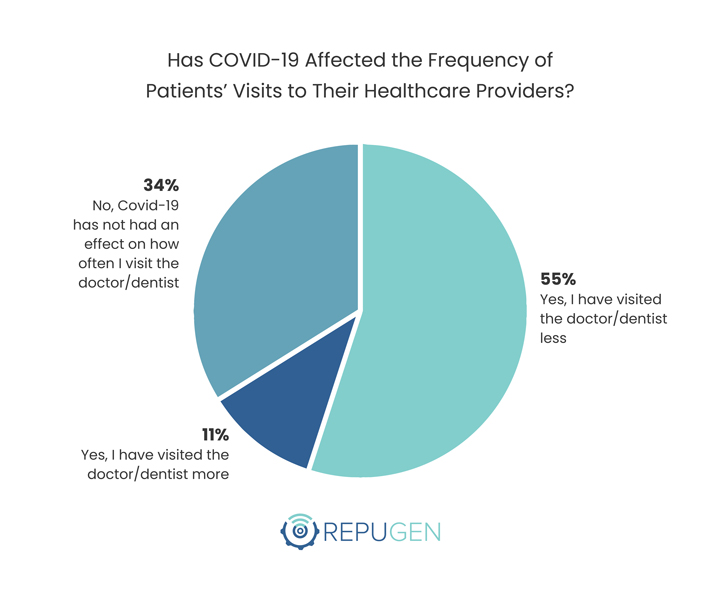
For example, a patient awaiting a cancer screening may experience a delay that could affect the effectiveness of treatment. Similarly, individuals with chronic conditions like diabetes or heart disease may see their health deteriorate without timely diagnostic assessments. The ripple effects extend to hospital capacity, as delayed diagnostics can lead to overcrowding and longer stays for other patients.
Why It Matters: Implications for Public Health and Policy
The growing backlog in diagnostic tests has significant implications for public health. Early diagnosis is a cornerstone of effective treatment, and delays can result in preventable complications, reduced quality of life, and increased mortality rates. For instance, cancers detected at later stages are often more difficult to treat, leading to higher healthcare costs and lower survival rates.
From a policy perspective, the issue underscores the need for systemic reforms. Addressing the backlog requires a multifaceted approach, including investment in diagnostic infrastructure, recruitment of skilled staff, and the adoption of technology to streamline processes.
