House passes bill to make daylight saving time permanent
The House voted to end the biannual ritual of changing clocks by moving toward permanent daylight saving time. The bill must now clear the Senate.
The House of Representatives voted on Tuesday, 14 July 2026, to enact the Sunshine Protection Act, a measure designed to make daylight saving time permanent across the United States. The bipartisan vote of 308-117 is a notable advancement in a yearslong political effort to “ditch the switch,” ending the biannual ritual of adjusting clocks forward in the spring and back in the fall. As the final tally was read, Republican Rep. Scott DesJarlais, who presided over the session, played the Beatles’ song “Here Comes the Sun” from his phone.
The proposed legislation would lock the clocks on the Time currently observed from March to November. Under the bill, states that currently use standard time—such as Hawaii and most of Arizona—along with U.S. Territories like Puerto Rico and the Virgin Islands, would retain the ability to opt out of the federal mandate, provided they act before the law takes effect. Proponents argue that the move would provide more predictable daylight hours for families, support local economies, and improve public health by eliminating the physical and logistical disruptions associated with the twice-yearly time change.
Related YouTube video
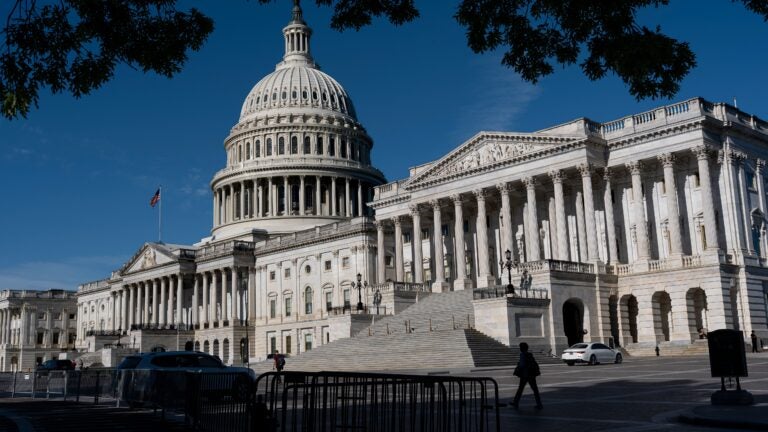


Rep. Vern Buchanan, a Republican from Florida who introduced the bill, described the current system as an unnecessary disruption to schedules. During floor proceedings, Rep. Gus Bilirakis, also of Florida, suggested the change would allow families more time for outdoor activities, which he noted would benefit local businesses and tourism. The White House has signaled support for the measure, with officials indicating they would recommend that the president sign the bill if it reaches his desk. President Trump has publicly championed the reform, describing the twice-yearly time changes as a ridiculous
production and a potential win
for the Republican party.
The path forward, however, remains uncertain. While the House has acted, the bill must now clear the Senate, where previous iterations have faced significant resistance. A senior aide confirmed that Sen. Tom Cotton maintains reservations regarding the proposal, specifically citing concerns that permanent daylight saving time would force residents in some northern or western regions to commute or attend school in complete darkness during winter months, when sunrise could be pushed until 9 a.m. Or later.
A 2025 poll from The Associated Press-NORC Center for Public Affairs Research indicated that while the majority of Americans dislike the current system of changing clocks, opinions on the solution are split. Among those surveyed, 56% expressed a preference for permanent daylight saving time, favoring longer, brighter evenings. Rep. Mary Gay Scanlon of Pennsylvania argued that the legislation is being rushed without adequate consideration of the long-term impacts on sleep and safety.
This is not the first time the United States has experimented with year-round time adjustments. In 1974, Congress enacted a similar measure in response to an energy crisis, only to repeal it less than a year later following significant public dissatisfaction with dark, early-morning travel conditions.
What to Watch Next
- Senate Action: The bill now moves to the Senate. Democratic Sen. Patty Murray has called on Senate Majority Leader John Thune to bring the bill to a vote, while sources indicate Sen. Cotton will ask leadership not to advance it.
- State Opt-Outs: Currently, 19 states have passed legislation or resolutions that would permit the adoption of year-round daylight saving time if authorized by federal law.
As the bill awaits Senate consideration, proponents and detractors continue to debate whether the trade-off of darker winter mornings for brighter, longer evenings is the most pressing priority for the nation. For now, the practice of changing the clocks remains in effect, pending a final decision from the upper chamber and the president.
Archypedia is dedicated to independent, evidence-backed reporting. This briefing was synthesized from primary source reporting, corroborated across independent newsrooms, and verified against our Editorial Standards.
Transparency record
Evidence behind this report
This report synthesizes 12 distinct sources. Open the source ledger below to compare the underlying coverage.
- nbcnews.com
- yahoo.com
- boston.com
- time.com
- cbsnews.com
- apnews.com
- nypost.com
- energycommerce.house.gov
- pbs.org
- scrippsnews.com
- latimes.com
- bbc.com
Prepared under the Archypedia Editorial Policy by the Mara Ionescu editorial desk profile. AI-assisted tools may support drafting and verification; public accountability remains with Archypedia. Report an error.