Andy Burnham sacks Rachel Reeves and Starmer loyalists in cabinet reshuffle
Prime Minister Andy Burnham has initiated an extensive government overhaul, removing several cabinet members who served under his predecessor, Keir Starmer.

Prime Minister Andy Burnham has begun an extensive overhaul of the UK government, initiating a series of high-profile sackings of cabinet members who served under his predecessor, Keir Starmer. The reshuffle, which began on Monday, 20 July 2026, signals a sharp shift in the direction of the Labour administration, with the new Prime Minister pledging a “new political model” that prioritizes decentralization and increased public control over essential services.
The cabinet changes follow the resignation of Keir Starmer, who was officially received by King Charles at Buckingham Palace earlier today to formally step down. Following his audience with the King, Burnham returned to Downing Street, where he signaled his intention to move away from the policies of the previous two years. In his first speech as Prime Minister, delivered without a traditional lectern, Burnham declared that the government “needs to be better” and outlined a ten-year plan for reindustrialization.
Related media
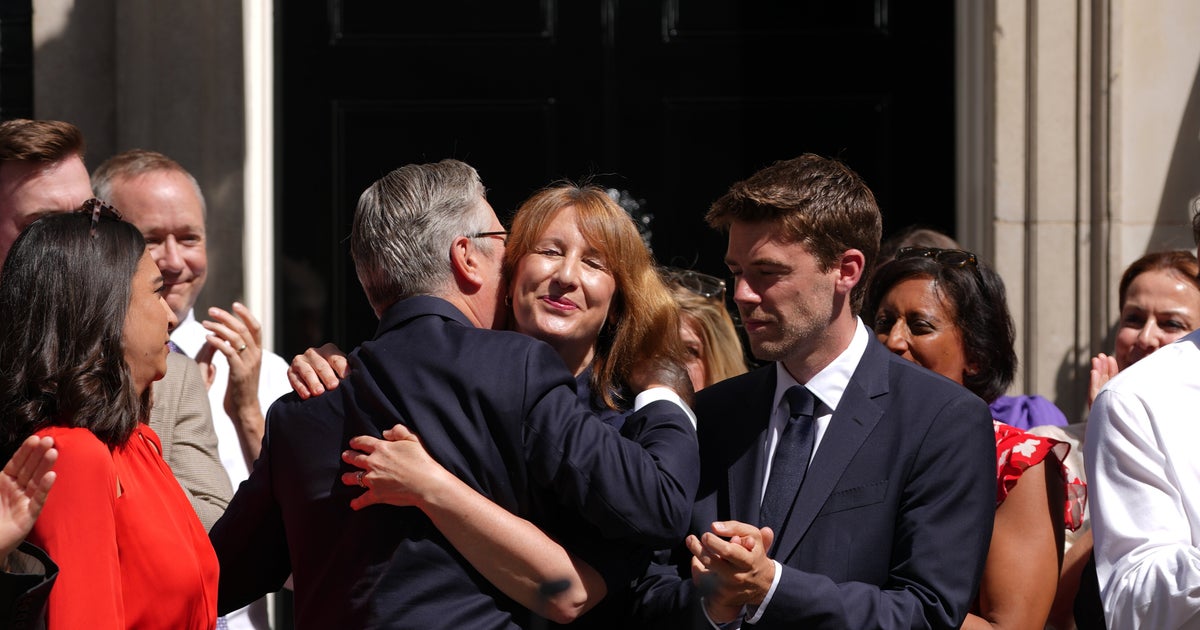


Among those ousted in the reshuffle is Rachel Reeves, who has served as Chancellor of the Exchequer since the general election victory in 2024. While reports suggest she was offered a different role within the government, she declined the position and will leave the cabinet entirely. In a statement posted to social media, Reeves reflected on her tenure:
"It has been the privilege of my life to serve as the Chancellor of the Exchequer. The economy today is stronger, fairer and more resilient because of the choices we have taken as a Labour Government over the past two years."
Rachel Reeves, former Chancellor of the Exchequer, via X
In addition to the Chancellor, several other senior figures associated with the Starmer administration have been dismissed. These include:
- David Lammy: The former deputy prime minister and justice secretary.
- Steve Reed: The former housing secretary, who expressed disappointment at his departure while noting,
I hope those who did not show loyalty to Keir will now show it to you.
- Peter Kyle: The former business secretary.
- Lord Richard Hermer: The former attorney general, who indicated he would support the government from the backbenches.
- Liz Kendall: The former science and technology secretary.
- Jo Stevens: The former Welsh secretary.
The transition has been marked by differing perspectives on the state of the nation. While Starmer insisted during his farewell address that his work was complete and that the economy is stronger than it was when he took office, Burnham’s opening remarks suggested a different focus. He characterized the 1980s as a period when Britain took "wrong turns" and emphasized his intent to bring "life's essentials" back under stronger public control. This shift has prompted varied reactions, with Green Party leader Zack Polanski calling for specific measures such as rent controls and the nationalization of water, while TaxPayers' Alliance chief executive John O’Connell criticized the Prime Minister for lacking a concrete plan.
Economic indicators reacted to the uncertainty surrounding the appointments, with 30-year gilt interest rates increasing and the pound slipping against the US dollar. Business groups and opposition figures, including Kemi Badenoch, have warned that the incoming administration must provide more clarity on how its promised programs will be funded. Burnham has confirmed that he will announce specific cost-of-living measures, potentially including rent controls or energy bill interventions, as early as tomorrow.
What to watch next
- Cabinet appointments: Ongoing confirmation of the remaining ministerial positions as Burnham completes his top team.
- Cost of living package: Further details regarding the government’s immediate plans for rent controls and energy support, due for announcement on 21 July 2026.
- Policy framework: Ongoing debates regarding the potential nationalization of Thames Water and the long-term status of North Sea drilling licenses.
- Parliamentary scrutiny: The response from opposition parties when Parliament next convenes, particularly regarding the lack of a formal mandate for the new Prime Minister's proposed "biggest changes in 40 years."
As the reshuffle continues, attention remains on whether key political figures like Angela Rayner, Wes Streeting, and Yvette Cooper will retain their positions in the new administration.
Archypedia is dedicated to independent, evidence-backed reporting. This briefing was synthesized from primary source reporting, corroborated across independent newsrooms, and verified against our Editorial Standards.
Transparency record
Evidence behind this report
This report synthesizes 6 distinct sources. Open the source ledger below to compare the underlying coverage.
Prepared under the Archypedia Editorial Policy by the Mara Ionescu editorial desk profile. AI-assisted tools may support drafting and verification; public accountability remains with Archypedia. Report an error.

