
Revolution Medicines to Present Clinical Data from RAS(ON) – GlobeNewswire: New Hope for Pancreatic Cancer Treatment
Revolution Medicines is set to present clinical data regarding its RAS(ON) inhibitors, a class of drugs targeting mutations previously deemed “undruggable” in several aggressive cancers. According to reports from News-Medical and AARP, these experimental treatments are showing potential to significantly increase survival times for patients with advanced pancreatic cancer, with some data suggesting survival could potentially double.
What is the RAS(ON) Inhibitor and How Does it Work?
The RAS(ON) inhibitors developed by Revolution Medicines target the active state of the RAS protein. In healthy cells, RAS proteins act as molecular switches that regulate cell growth and division. When these proteins mutate, they can become stuck in the “on” position, sending continuous signals to the cell to divide uncontrollably, which leads to tumor growth. According to the Harvard Gazette, targeting these proteins has been a primary goal in oncology for decades because of their prevalence in human cancers.
Most previous attempts to inhibit RAS focused on the “off” state or tried to prevent the protein from activating. The RAS(ON) approach is different; it specifically targets the protein when it is in its active, signaling state. This specificity allows the drug to interfere with the growth signals of the cancer cell more effectively. For patients with pancreatic cancer, where RAS mutations are nearly universal, this mechanism provides a targeted way to shut down the primary driver of the disease.
- Target: Active RAS protein (RAS-ON).
- Function: Blocks the signaling pathway that tells cancer cells to multiply.
- Application: Primarily focused on KRAS mutations, common in pancreatic, lung, and colorectal cancers.
How Do Survival Gains in Pancreatic Cancer Compare Across Reports?
Recent reports regarding experimental RAS treatments highlight a significant shift in the prognosis for advanced pancreatic cancer. News-Medical reports that new drug interventions could potentially double the survival time for patients with advanced stages of the disease. This is a stark contrast to the historical survival rates for pancreatic ductal adenocarcinoma, which often remains low due to the late stage of diagnosis and the aggressive nature of the tumor.

AARP also reports survival gains, emphasizing that these new therapies are providing options for patients who have failed standard chemotherapy. While standard treatments often provide only marginal extensions of life, the data being presented by Revolution Medicines suggests a more robust response. The difference in framing across outlets shows a transition from “marginal improvement” to “potential doubling” of survival, marking a shift in how medical researchers view the treatability of this specific cancer.
| Source | Reported Outcome | Patient Focus |
|---|---|---|
| News-Medical | Potential to double survival time | Advanced pancreatic cancer patients |
| AARP | Demonstrated survival gains | Patients with advanced-stage disease |
| WTVC | Experimental drug efficacy | Severe pancreatic cancer cases |
Why Was RAS Previously Considered “Undruggable”?
For years, the scientific community labeled the RAS protein as “undruggable.” The Harvard Gazette explains that this designation stemmed from the protein’s smooth surface. Most drugs work like a key in a lock, fitting into a deep pocket or “cleft” on a protein to disable it. The RAS protein, however, lacked these deep pockets, leaving chemists with no obvious place to attach a drug molecule.
Furthermore, the RAS protein is highly dynamic. It switches between active and inactive states rapidly. Early attempts to target the inactive state often failed because the protein would simply switch back to the active state, bypassing the drug’s effect. The breakthrough involving RAS(ON) inhibitors comes from the ability to identify and bind to the protein specifically when it is active, effectively locking the “switch” in a position that prevents it from signaling the cell to grow.
“Finding ways to ‘drug the undruggable’ diseases is the current frontier of oncology, moving from broad-spectrum chemotherapy to precision medicine that targets the specific genetic driver of a tumor.” — Reference to research themes discussed by the Harvard Gazette.
What Are the Clinical Implications for Advanced Pancreatic Cancer Patients?
The clinical data being presented by Revolution Medicines has direct implications for the standard of care in oncology. According to a medical perspective shared via WTVC, the introduction of experimental drugs for severe pancreatic cancer offers a lifeline to patients who have exhausted traditional options. The primary goal is to move these drugs from experimental trials into approved therapies that can be used in combination with other treatments.
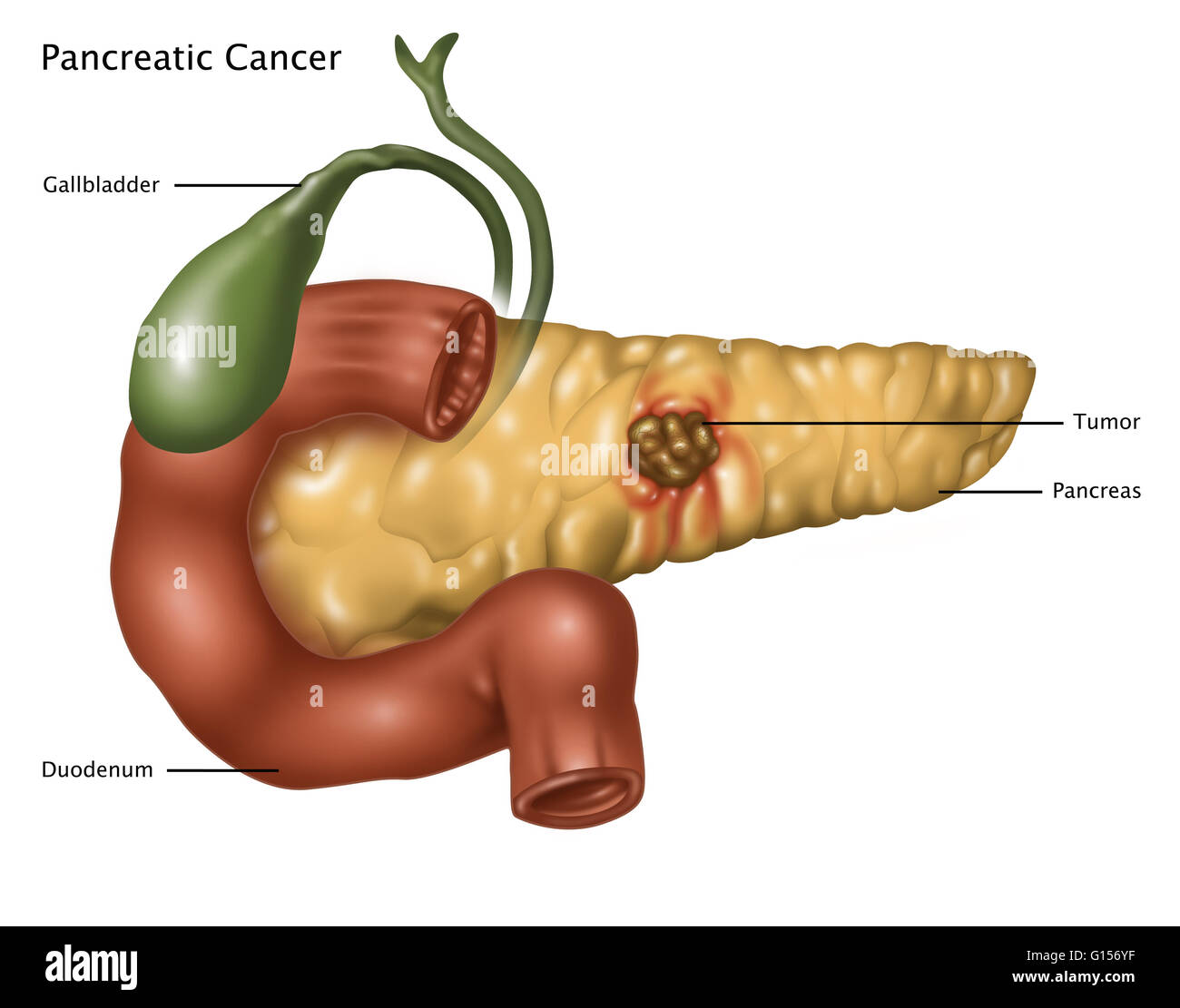
The implications extend beyond just survival time. By targeting the RAS(ON) state, doctors hope to reduce the tumor burden, which can alleviate symptoms and improve the quality of life for patients. In advanced pancreatic cancer, the tumor often obstructs the bile duct or affects the digestive system; reducing the size of these tumors through targeted inhibition can lead to immediate palliative benefits.
Potential Combination Therapies
Researchers are not looking at RAS(ON) inhibitors in isolation. There is a strong focus on combining these inhibitors with other agents to prevent the cancer from developing resistance. Common strategies include:
- Combination with Chemotherapy: Using RAS(ON) inhibitors to sensitize tumors to traditional chemo.
- Immunotherapy Pairing: Combining inhibitors with drugs that help the immune system recognize and attack the tumor.
- Dual-RAS Inhibition: Targeting both the active and inactive states of the protein simultaneously.
For more information on how targeted therapies are changing oncology, see a related explainer on precision medicine.
The Role of GlobeNewswire in the Clinical Data Announcement
The announcement that Revolution Medicines to Present Clinical Data from RAS(ON) – GlobeNewswire serves as a formal notification to the investment community and the medical world. These presentations typically occur at major medical conferences, such as the American Society of Clinical Oncology (ASCO) or similar gatherings, where peer-reviewed data is scrutinized by other experts.
The use of a wire service like GlobeNewswire ensures that the data reaches shareholders and healthcare providers simultaneously. For patients and families, these announcements are often the first signal that a drug is moving closer to FDA approval. The data being presented typically includes “Overall Survival” (OS) and “Progression-Free Survival” (PFS), which are the gold standards for determining if a cancer drug is effective.
Common Misconceptions About RAS Inhibitors
There is often a misunderstanding that a “survival gain” means a cure. In the context of advanced pancreatic cancer, a gain in survival time—even a doubling of that time—does not necessarily mean the cancer is eradicated. It means the disease is being managed as a chronic condition rather than an immediate terminal diagnosis. According to News-Medical, the focus is on extending life and improving the window of time patients have with their families.
Another misconception is that all RAS mutations are the same. There are different types of RAS proteins (KRAS, NRAS, and HRAS) and different specific mutations within those proteins (such as G12C or G12D). Not every RAS(ON) inhibitor works for every mutation. The clinical data from Revolution Medicines is critical because it helps define exactly which genetic profile responds best to which drug, allowing for a more personalized approach to treatment.
Comparing RAS(ON) to Previous RAS Inhibitors
Earlier inhibitors, such as those targeting the G12C mutation, were a breakthrough but only applied to a small percentage of pancreatic cancer patients. The RAS(ON) approach aims to be broader, potentially targeting a wider array of mutations that are more common in pancreatic tumors. This expansion of the targetable patient population is a key reason why the medical community is closely watching the upcoming data presentation.
The Broader Impact on Oncology and Drug Development
The success of the RAS(ON) program has a ripple effect across the pharmaceutical industry. If Revolution Medicines proves that the active state of RAS can be consistently inhibited, it opens the door for similar strategies in other “undruggable” proteins. This approach shifts the paradigm from trying to block a protein’s function to manipulating its conformational state.
Economically, this represents a high-stakes area of biotech. The development of these drugs requires massive investment in structural biology and high-throughput screening. As reported by the Harvard Gazette, the ability to map the protein’s surface at an atomic level was essential to this progress. This intersection of physics, chemistry, and biology is what allows companies to move past the “undruggable” label.
For patients, the long-term impact is a move toward “stratified medicine.” Instead of receiving the same chemotherapy cocktail as every other pancreatic cancer patient, a patient’s tumor will be sequenced, the specific RAS mutation identified, and the corresponding RAS(ON) inhibitor prescribed. This reduces unnecessary toxicity from ineffective drugs and increases the probability of a positive response.
Frequently Asked Questions
What is the main purpose of the Revolution Medicines clinical data presentation?
The presentation aims to share the results of clinical trials involving RAS(ON) inhibitors. These results typically include data on how well the drug shrank tumors and how much it extended the lives of patients with RAS-mutated cancers, particularly pancreatic cancer.
Can RAS(ON) inhibitors cure pancreatic cancer?
According to reports from News-Medical and AARP, these drugs are currently showing “survival gains” and the potential to double survival time in advanced cases. They are viewed as treatments to extend and improve life rather than a definitive cure for the disease.
Why is pancreatic cancer specifically mentioned in these reports?
Pancreatic cancer is highlighted because RAS mutations are found in the vast majority of these tumors, and the disease has historically had very few effective treatment options, making any survival gain highly significant.
What does “undruggable” mean in the context of the Harvard Gazette report?
“Undruggable” refers to proteins that lack the structural “pockets” or binding sites necessary for traditional small-molecule drugs to attach to and disable them. RAS was considered undruggable for decades due to its smooth surface.
Who can benefit from RAS(ON) inhibitors?
Patients with cancers driven by RAS mutations—most notably pancreatic, lung, and colorectal cancers—are the primary candidates. However, the specific benefit depends on the type of mutation the patient has, which is determined through genetic testing of the tumor.
For those interested in the regulatory process for new oncology drugs, a guide to FDA clinical trial phases may provide further context on how these experimental drugs move from data presentation to pharmacy shelves.
