
Israeli Prime Minister Benjamin Netanyahu faces a precarious balancing act as he navigates escalating tensions with Hezbollah in Lebanon and diverging strategic priorities with U.S. President Donald Trump, according to Italian media reports. The conflict, which has drawn international scrutiny, forces Netanyahu to reconcile domestic political pressures with the demands of his closest Western ally.
The Strain of Diverging Priorities
Recent clashes between Israeli forces and Hezbollah in southern Lebanon have intensified amid conflicting directives from Washington. Israeli officials report that Trump has urged Netanyahu to curtail military operations, citing concerns over regional stability and U.S.-Iran negotiations. However, Netanyahu’s government, facing domestic calls for a stronger stance against Hezbollah, appears to be resisting pressure to halt its campaign.
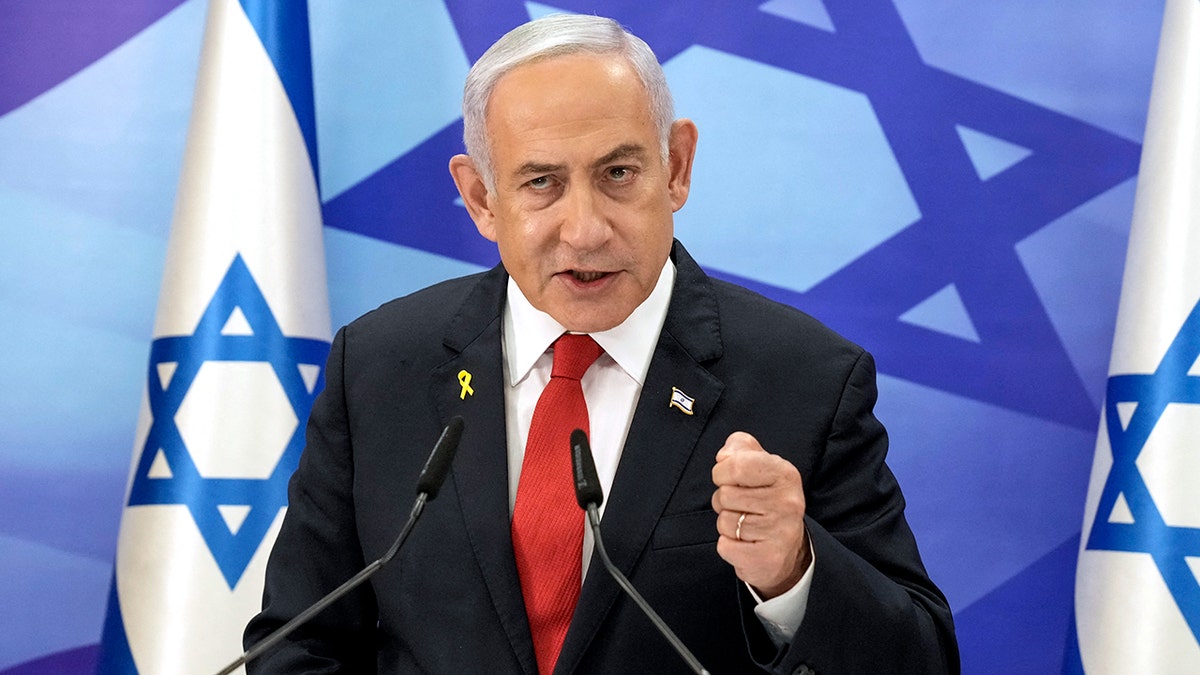
“The prime minister is caught between the need to maintain Israeli security and the imperative to preserve U.S.-Israel relations,” said a senior Israeli military analyst quoted in Corriere della Sera. “This is a critical juncture for his leadership.”
Hezbollah’s Rejection of Ceasefire Talks
Hezbollah, the Lebanon-based militant group, has rejected a proposed ceasefire, labeling it a “capitulation” to Israeli demands. The group’s refusal to suspend hostilities has complicated efforts to de-escalate the situation, with both sides exchanging artillery and airstrikes along the Israel-Lebanon border. Regional observers note that Hezbollah’s defiance could provoke further Israeli retaliation, risking a broader conflict.

“Hezbollah’s position reflects its alignment with Iran, which has also dismissed diplomatic overtures from the U.S.,” said a Middle East analyst in Il Fatto Quotidiano. “This dynamic threatens to widen the rift between Washington and its regional allies.”
Domestic and International Pressures
Netanyahu’s political survival hinges on managing these dual challenges. Domestic polls show growing public frustration with what many perceive as excessive U.S. influence over Israeli military decisions. At the same time, the prime minister’s reliance on Trump’s support—particularly ahead of Israel’s upcoming elections—complicates his ability to act unilaterally.
“The prime minister is under immense pressure to demonstrate strength while avoiding a diplomatic rupture with the U.S.,” wrote Corriere della Sera. “This delicate calculus could determine the trajectory of the conflict and his own political future.”
What’s Next?
With tensions flaring and no immediate resolution in sight, the situation remains volatile. The Israeli government has indicated it will continue its operations in Lebanon, while the U.S. administration seeks to mediate. Analysts warn that further escalations could draw in other regional actors, including Iran and Syria, with potentially catastrophic consequences.
“The coming weeks will test Netanyahu’s ability to navigate this crisis without alienating either his domestic base or his key international allies,” said a commentator in Il Fatto Quotidiano. “The stakes are nothing less than the stability of the entire region.”
