
Ethiopian Airlines Shifts Route Focus to Europe-Mauritius as Middle East Traffic Declines
Ethiopian Airlines is diversifying its flight network by prioritizing the Europe-Mauritius corridor to offset a decline in passenger traffic to the Middle East, according to reporting by The EastAfrican. To support this strategic pivot, the carrier is expanding connections to Mauritius, Mozambique, and Oman, specifically targeting Russian travelers, as reported by Club of Mozambique and Africa Business Communities.
Why is Ethiopian Airlines prioritizing the Europe-Mauritius corridor?
The shift toward the Indian Ocean islands comes as a direct response to thinning traffic flows toward Middle Eastern destinations. According to The EastAfrican, the airline is repositioning its capacity to capture the growing demand for travel between European hubs and Mauritius. This move allows the carrier to leverage its primary hub in Addis Ababa to funnel passengers from diverse global markets into a high-demand leisure and business destination.
Mauritius serves as a critical anchor for this strategy. As reported by Africa Business Communities, the launch of direct flights to the island is intended to enhance overall African connectivity. By strengthening the link between Europe and Mauritius, Ethiopian Airlines reduces reliance on volatile Middle Eastern markets while tapping into the luxury tourism sector and the growing movement of business travelers within the African Continental Free Trade Area (AfCFTA) framework.
The airline’s strategy relies on several key operational drivers:
- Diversification of Risk: Reducing exposure to geopolitical instability in the Middle East that can lead to sudden drops in passenger volume.
- Tourism Capture: Capitalizing on the resilience of the high-end tourism market in Mauritius.
- Hub Optimization: Utilizing Addis Ababa as a transit point for non-stop arrivals from Europe heading toward the Indian Ocean.
How is the airline adapting for Russian travelers?
A significant component of the airline’s current expansion involves creating accessible transit routes for Russian citizens. According to Club of Mozambique, Ethiopian Airlines has specifically added and enhanced connections to Mauritius, Mozambique, and Oman to accommodate this demographic.
These destinations are strategically chosen because they remain open to Russian travelers and offer leisure or business opportunities. By routing these passengers through Ethiopia, the airline provides a viable alternative to traditional European or North American transit hubs, which have become restricted or impractical for Russian passport holders. Oman, in particular, serves as a critical gateway in the East, while Mozambique and Mauritius offer southern alternatives for tourism and investment.
The integration of Oman, Mozambique, and Mauritius into a cohesive network for Russian travelers demonstrates a tactical shift toward “neutral” transit hubs that can maintain high load factors regardless of Western sanctions or travel restrictions.
This adaptation suggests a broader trend in aviation where carriers in Africa and the Middle East are filling the void left by the contraction of direct flights between Russia and the West.
The strategic role of Mauritius in African connectivity
Beyond the immediate goal of replacing lost Middle East traffic, the focus on Mauritius is part of a larger effort to boost intra-African travel. Africa Business Communities notes that the direct flights to Mauritius are designed to improve connectivity across the continent. Mauritius is not only a tourist destination but also a financial hub for the region, making it an attractive point of entry for investors.
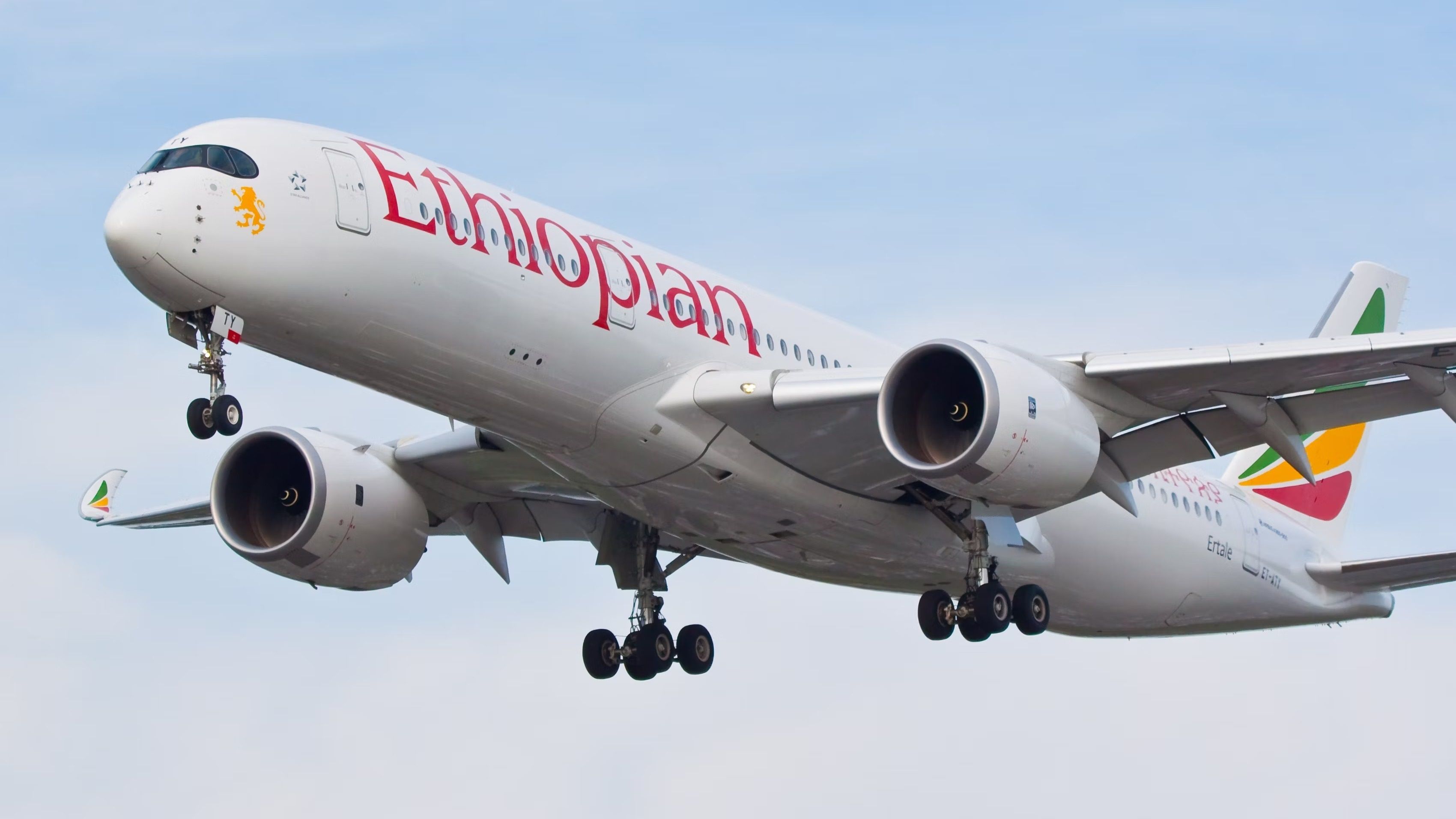
By linking the island more effectively to the rest of Africa via Addis Ababa, Ethiopian Airlines is positioning itself as the primary bridge between the Indian Ocean and the African mainland. This connectivity is essential for the growth of regional trade and the movement of professionals between African capitals and the Mauritian financial sector.
To understand the scope of this network expansion, consider the following operational focus areas:
| Target Market | Primary Destinations | Strategic Objective |
|---|---|---|
| European Travelers | Mauritius | Capture luxury leisure and business traffic. |
| Russian Travelers | Oman, Mozambique, Mauritius | Provide viable transit alternatives to restricted hubs. |
| Intra-African Market | Mauritius, Mozambique | Boost regional connectivity and trade links. |
For further context on how this fits into broader regional trends, see a related explainer on African aviation deregulation.
Comparing the shift: Middle East vs. Indian Ocean routes
The transition from Middle Eastern traffic to Indian Ocean routes represents a change in the airline’s risk profile. Traffic to the Middle East is often driven by labor migration, religious pilgrimage, and corporate transit. In contrast, the Europe-Mauritius route is heavily weighted toward discretionary spending and tourism.
According to the reporting in The EastAfrican, the “thinning” of Middle East traffic suggests a volatility that the airline is seeking to avoid. While the Middle East remains a massive market, the reliance on it can be precarious during periods of regional tension. By shifting capacity toward Mauritius, the airline is betting on the stability of the tourism sector and the growing demand for “sun and sea” destinations from the European market.
The contrast in these markets can be broken down as follows:
- Middle East Routes: High volume, high volatility, driven by corporate and migrant flows.
- Indian Ocean Routes: Moderate to high volume, lower volatility, driven by leisure and high-net-worth individuals.
Implications for the African aviation market
The moves by Ethiopian Airlines signal a broader shift in how African carriers are viewing global traffic patterns. The ability to pivot quickly from one region (the Middle East) to another (the Indian Ocean) highlights the flexibility of the Addis Ababa hub. This agility is a competitive advantage over smaller regional carriers that lack the fleet size to redistribute capacity on short notice.
Furthermore, the focus on Russian travelers via Oman and Mozambique indicates that African airlines are increasingly acting as “bridge carriers.” As geopolitical blocs shift, carriers that can maintain neutrality and provide seamless transit between divergent political spheres will likely see an increase in market share.
This strategy may prompt other African carriers to similarly evaluate their reliance on Middle Eastern hubs. If Ethiopian Airlines successfully captures the Europe-Mauritius flow, it may lead to a surge in similar “long-haul to island” routes from other African hubs, such as Nairobi or Johannesburg.
The long-term consequences of this shift include:
- Increased Competition: Other carriers may enter the Mauritius market to compete for the European traffic.
- Infrastructure Pressure: Increased flight frequencies to Mauritius and Mozambique will require enhanced ground handling and airport capacity in those destinations.
- Economic Diversification: Greater connectivity to Mauritius may accelerate the flow of capital from Europe and Russia into the Indian Ocean economy.
For more on the economic impact of these routes, read a detailed analysis of the AfCFTA’s impact on transport.
Common misconceptions about the route pivot
One common misconception is that Ethiopian Airlines is abandoning the Middle East entirely. The reporting in The EastAfrican specifies that traffic is “thinning,” not disappearing. The airline is not exiting the Middle East but is instead diversifying its portfolio to ensure that a downturn in one region does not jeopardize overall profitability.
Another misunderstanding is that the focus on Russian travelers is purely political. From an aviation standpoint, this is a commercial decision. As reported by Club of Mozambique, the addition of routes to Oman and Mozambique is a response to a specific, underserved market demand. Russian travelers currently have fewer options for international transit, creating a high-yield opportunity for carriers that can provide the necessary connections.
Finally, some may view the Mauritius expansion as a purely tourism-driven move. However, as Africa Business Communities highlights, the goal is “African connectivity.” This includes the movement of diplomats, business executives, and trade representatives, making the route a strategic asset for regional integration rather than just a holiday shuttle.
FAQs on Ethiopian Airlines’ Route Strategy
Why is Ethiopian Airlines focusing on Mauritius right now?
According to The EastAfrican, the airline is targeting the Europe-Mauritius corridor to compensate for a decrease in passenger traffic to the Middle East. This allows them to capture high-demand leisure and business travel from Europe.

Which routes have been added for Russian travelers?
As reported by Club of Mozambique, Ethiopian Airlines has enhanced connections to Mauritius, Mozambique, and Oman to provide Russian travelers with viable transit options.
Does this mean Ethiopian Airlines is stopping flights to the Middle East?
No. The reports indicate that traffic to the Middle East is thinning, leading the airline to diversify its routes, but they have not announced a total withdrawal from the region.
How does this affect African connectivity?
According to Africa Business Communities, the launch of direct flights to Mauritius is intended to boost overall connectivity within Africa, linking the mainland more effectively with the Indian Ocean islands.
What is the role of Addis Ababa in this strategy?
Addis Ababa serves as the central hub where passengers from Europe and other global destinations connect before continuing to Mauritius, Oman, or Mozambique, maximizing the efficiency of the airline’s network.
