
US Strikes Iranian Drones While Talks Continue for Interim Deal
The US military downed Iranian attack drones near the Strait of Hormuz while diplomatic negotiations for an interim agreement remained active, according to reports from the US military and multiple news outlets. This escalation occurs despite claims from Pakistan’s prime minister that the two nations are closer to a deal than “ever before,” as reported by CNN.
What happened during the drone intercepts near the Strait of Hormuz?
US military forces intercepted and destroyed Iranian attack drones in the vicinity of the Strait of Hormuz, the US military confirmed. The engagement took place in one of the world’s most volatile maritime corridors, where the US maintains a presence to ensure the free flow of commercial shipping. The Guardian reported on the event as a real-time development, noting the immediate military response to the Iranian drones.
The Strait of Hormuz serves as a critical chokepoint for global energy supplies. According to The Straits Times, the US strikes targeted drones specifically identified as Iranian attack platforms. The timing of these strikes is significant because they occurred simultaneously with high-level diplomatic efforts to stabilize relations between Washington and Tehran.
Key details of the military encounter include:
- Target: Iranian attack drones.
- Location: Near the Strait of Hormuz.
- Action: US military forces downed the aircraft.
- Context: Occurred during ongoing negotiations for an interim diplomatic deal.
Are the US and Iran closer to a diplomatic agreement?
Diplomatic signals regarding the current state of negotiations are contradictory. CNN reports that Pakistan’s prime minister stated the US and Iran are closer to reaching an agreement than they have been at any point in the recent past. This suggests that beneath the surface of military friction, there is a functional channel of communication aimed at a short-term or “interim” deal.
An interim deal typically serves as a “freeze” or a confidence-building measure. Such agreements often involve the US easing certain sanctions in exchange for Iran limiting its nuclear activity or reducing regional proxy aggression. However, the physical clash in the Strait of Hormuz complicates this narrative of progress.
“US and Iran closer to agreement than ‘ever before,’” according to statements from Pakistan’s prime minister as reported by CNN.
While the Pakistani leadership expresses optimism, other observers see the military strikes as a sign of fragility. The duality of “striking while talking” is a known pattern in Middle Eastern geopolitics, where military deterrence is often used as leverage during diplomatic bargaining.
Why is the Strait of Hormuz a flashpoint for these strikes?
The Strait of Hormuz is a narrow waterway connecting the Persian Gulf with the Gulf of Oman and the Arabian Sea. Its strategic importance cannot be overstated, as a significant portion of the world’s liquefied natural gas (LNG) and crude oil passes through this corridor daily. Any military action in this area risks disrupting global energy markets.
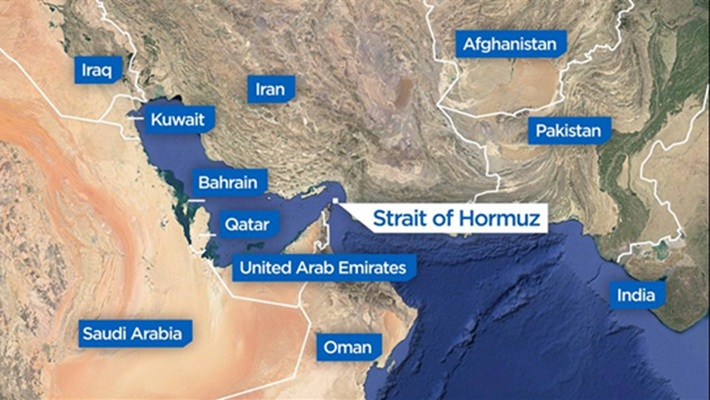 "Why is the Strait of Hormuz a flashpoint for these strikes?")
Iran has frequently used the Strait as a tool of asymmetric warfare. By deploying drones or seizing tankers, Tehran can signal its ability to disrupt global trade if US pressure—such as economic sanctions—becomes too acute. The US military’s decision to down drones in this specific area is a direct response to these tactics, intended to signal that the US will not allow Iranian drones to threaten maritime security.
The risks associated with this location include:
- Economic Volatility: Even a minor skirmish can lead to a spike in global oil prices.
- Escalation Cycle: A drone strike can lead to a retaliatory missile attack or tanker seizure.
- International Shipping: Commercial vessels often face increased insurance premiums when tensions rise in the Strait.
How do different news outlets frame the current crisis?
There is a noticeable divergence in how international media outlets are interpreting these events. While the facts of the drone strikes are consistent, the analysis of what these strikes mean for peace varies significantly.
| Source | Primary Framing | Outlook on Peace Deal |
|---|---|---|
| CNN | Diplomatic progress | Optimistic (citing Pakistan’s PM) |
| CNA | Military escalation | Pessimistic (hopes for quick deal are “fading”) |
| The Guardian | Immediate tactical action | Neutral/Reporting-focused |
| Bloomberg | Strategic contradiction | Mixed (strikes vs. interim talks) |
CNA reports that hopes for a quick peace deal are fading as the two nations continue to hit each other. This contrasts sharply with the CNN report, which highlights the proximity to an agreement. This discrepancy suggests that the “interim deal” may be more fragile than official statements from third-party mediators like Pakistan suggest.
What is the history of “interim deals” between the US and Iran?
The current push for an interim agreement follows years of instability surrounding the Joint Comprehensive Plan of Action (JCPOA), or the Iran Nuclear Deal. After the US withdrew from the JCPOA in 2018 under the Trump administration, the relationship entered a period of “maximum pressure.”
Interim deals are often proposed when a full return to a comprehensive agreement seems impossible. These “mini-deals” typically focus on specific, urgent issues:
- Prisoner Swaps: Releasing detained citizens from both sides.
- Frozen Assets: Allowing Iran access to some of its oil revenues in exchange for specific concessions.
- Nuclear Caps: Agreeing to a temporary ceiling on uranium enrichment levels.
The current situation, as reported in “US Strikes Iranian Drones While Talks Continue for Interim Deal – Bloomberg.com,” suggests that the US is pursuing a “dual-track” strategy: maintaining military deterrence (downing drones) while keeping the door open for a diplomatic off-ramp.
What are the potential consequences of continued drone warfare?
The use of Unmanned Aerial Vehicles (UAVs) has fundamentally changed the conflict between the US and Iran. Drones provide a low-cost way for Iran to project power and harass US assets without immediately triggering a full-scale war. For the US, downing these drones is a necessary defensive measure, but it carries the risk of being perceived as an act of aggression.
Short-term consequences of these strikes include:
- Increased Alert Levels: US naval assets in the region are likely to increase their readiness state.
- Diplomatic Friction: Negotiators may face internal pressure from hardliners in either Tehran or Washington to walk away from the table.
- Proxy Activation: Iran often responds to direct US military action by encouraging its allies in Iraq, Syria, or Yemen to increase attacks on US bases.
Long-term, the reliance on drone warfare could lead to an “automation of conflict,” where skirmishes happen frequently but below the threshold of open war, creating a state of permanent instability in the Persian Gulf.
Common misconceptions about US-Iran military engagements
A frequent oversimplification is that any military strike automatically ends diplomatic talks. In the context of US-Iran relations, this is rarely the case. As seen in the current reports, the US can be actively downing drones while diplomats are simultaneously drafting an interim deal.
Another misconception is that drone strikes are always intended to provoke a war. In many cases, these actions are “calibrated.” The US military’s decision to down drones near the Strait of Hormuz is often a defensive action meant to maintain the status quo rather than an attempt to initiate a regime-change conflict.
Finally, some believe that a “peace deal” would solve all regional tensions. However, an interim deal is usually a tactical pause, not a permanent resolution. It addresses immediate crises—like nuclear proliferation or maritime security—but often leaves deeper ideological and geopolitical disputes untouched.
Frequently Asked Questions
Why did the US strike Iranian drones if they are negotiating a deal?
According to reports from the US military and Bloomberg, the strikes were a defensive measure to protect maritime security near the Strait of Hormuz. The US often employs a “dual-track” approach, using military force to deter aggression while using diplomacy to reach a long-term agreement.
What is an “interim deal” in the context of US-Iran relations?
An interim deal is a short-term agreement designed to build trust or freeze current hostilities. It is not a full peace treaty but rather a set of temporary concessions—such as sanctions relief for nuclear limits—intended to pave the way for a more comprehensive agreement.
How does the Strait of Hormuz affect the global economy?
The Strait is a vital chokepoint for global oil and LNG shipments. Because so much of the world’s energy passes through this narrow passage, any military conflict there can cause immediate spikes in oil prices and disrupt international trade, as noted by The Straits Times.
Is a peace deal actually likely, or are hopes fading?
Perspectives are split. CNN reports that Pakistan’s prime minister believes the two sides are closer to a deal than ever. Conversely, CNA reports that hopes for a quick peace deal are fading due to continued military strikes. The reality likely lies between these two interpretations.
What role do drones play in this conflict?
Drones allow Iran to challenge US presence in the region with lower risk and cost than using manned aircraft. For the US, intercepting these drones is a way to assert control over the airspace and waterways without escalating to a full-scale aerial bombardment.
The current trajectory of US-Iran relations remains a volatile mix of tactical military engagements and strategic diplomatic maneuvering. While the downing of drones near the Strait of Hormuz underscores the persistent risk of escalation, the continued pursuit of an interim deal indicates that neither side is yet ready for a total breakdown in communications.
