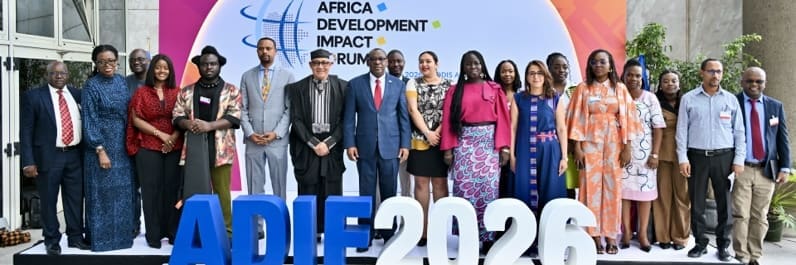
The inaugural African Forum on the Impact of Public Policies on Development (Forum ADIF) convened in Addis Ababa to address the disconnect between government policy and youth employment. According to the United Nations Economic Commission for Africa, the event focused on how young Africans can challenge existing public policies to drive continental development and industrialization.
- Event: Forum ADIF (Inaugural African Forum on the Impact of Public Policies on Development)
- Location: Addis Ababa, Ethiopia
- Core Objectives: Youth employment, industrialization, and policy accessibility
- Key Concern: Capital flight and the “expert language” gap in governance
How can African youth drive industrialization?
Current economic strategies must shift from theoretical planning to practical industrial application, according to statements made during the forum. Claver Gatete argued that the primary obstacles to growth are no longer a lack of concepts or funding.

The ideas and the money exist; it is now necessary to make African youth the builders of industries.
Claver Gatete
According to reports from La Tribune, this approach seeks to reposition the continent’s youth as active architects of industrial production rather than passive beneficiaries of social programs.
Why is “expert language” hindering policy success?
A critical divide exists between the architects of African public policy and the citizens tasked with implementing them. According to Agence Ecofin, the use of overly technical “expert language” by decision-makers creates a systemic rupture.

This linguistic barrier separates those who hold decision-making power from those who must execute the policies, often resulting in a workforce that is expected to act without a fundamental understanding of the directives. This gap, according to the source, undermines the effectiveness of development initiatives across the region.
What is the impact of African capital flight?
The forum also addressed the systemic issue of African wealth being invested in foreign markets rather than within the continent. According to Maghreb Émergent, billions of dollars in African capital are consistently diverted to external investments, which limits the availability of funds for local infrastructure and job creation.
Reports from Afrimag indicate that this trend of investing “elsewhere” persists despite the urgent need for internal development to support the growing youth population. The forum participants questioned how long this trend of capital flight can continue while the continent struggles to create sustainable employment for its young workforce.
