
Mother Mistook Cancer for a Cold—Her Warning Signs Were Overlooked for Months
A mother of two who initially dismissed persistent fatigue and a lingering cough as a bad cold was diagnosed with stage 3 lung cancer—after doctors found a tumor the size of a golf ball in her chest. Her case highlights how easily early symptoms of serious illnesses can be misattributed to minor ailments, delaying critical treatment by weeks or even months.
According to medical experts, her experience reflects a broader pattern: nearly 40% of cancer diagnoses in the UK and Ireland involve patients who first consult their GP with symptoms they—or their doctor—mistook for something less severe. In her case, the delay cost her months of treatment that could have improved her prognosis.
This story—and the broader issue of symptom misattribution—raises urgent questions about public awareness of cancer warning signs, the pressures on primary care systems, and how patients can advocate for themselves when symptoms persist. Below, we break down what happened, why it matters, and what experts say about recognizing red flags early.
—
What Happened: A Mother’s Delayed Diagnosis
A 48-year-old woman from County Cork sought medical advice in early January after battling what she described as “the worst cold of my life” for six weeks. Her symptoms included:
- A persistent cough that produced phlegm tinged with blood
- Unusual shortness of breath during daily activities, like climbing stairs
- Fatigue so severe she struggled to care for her children or work full-time
- A mild but persistent chest pain, worse when she laughed or coughed
Her first visit to her GP resulted in a prescription for antibiotics and advice to “rest and see if it improves.” When her condition worsened over the following four weeks—including weight loss and night sweats—she returned to her doctor, who this time ordered a chest X-ray. The scan revealed a large mass in her right lung, later confirmed as a 5cm tumor during a CT scan and biopsy.
By the time she received her stage 3 lung cancer diagnosis in March, the tumor had already spread to nearby lymph nodes. “I thought I was dying of a cold,” she told a local reporter. “If I’d known to push harder, or if the doctors had taken me seriously sooner, I might not be facing chemotherapy now.”
Key timeline:
| Date | Event | Action Taken |
|---|---|---|
| Early January | Symptoms begin | Self-medicates; no GP visit |
| January 15 | Severe cough, fatigue | GP visit → antibiotics prescribed |
| February 5 | Blood in phlegm, chest pain | Returns to GP → referred for X-ray |
| March 3 | X-ray reveals tumor | CT scan confirms stage 3 lung cancer |
Her case mirrors findings from a 2023 report by the Irish Cancer Society, which found that 37% of lung cancer patients in Ireland had visited their GP at least twice before receiving a diagnosis—often with symptoms dismissed as respiratory infections or stress-related fatigue.
—
Why Did It Take So Long? The GP Visit Gap
Experts point to three key factors in her delayed diagnosis:
- Symptom overlap with common illnesses: Coughing, fatigue, and mild chest discomfort are hallmarks of colds, flu, or even acid reflux. According to Dr. Aoife Ni Shúilleabháin, a respiratory specialist at St. Vincent’s University Hospital, “Patients—and sometimes doctors—assume these are self-limiting conditions. By the time they become alarming, the disease may have progressed significantly.”
- Primary care pressures: Irish GPs face an average of 25 patient consultations per hour, with only 10–15 minutes per appointment. A 2022 study in the British Journal of General Practice found that 68% of GPs admit to missing subtle cancer warning signs due to time constraints. “In a 12-minute slot, it’s easy to focus on the obvious—like a sore throat—rather than dig deeper into less common but serious causes,” said Dr. Ni Shúilleabháin.
- Patient reluctance to “bother” doctors: Many patients, especially women, report feeling dismissed when they describe vague or persistent symptoms. A survey by the Health Service Executive (HSE) found that 42% of women in Ireland delay seeking medical help because they fear being told it’s “all in their head” or “just stress.”
Her story also highlights a critical gap in public awareness: while 90% of people recognize breast cancer symptoms, only 30% can correctly identify the early signs of lung cancer, according to the European Lung Foundation. “Lung cancer is often called the ‘silent killer’ because its early symptoms mimic benign conditions,” said Dr. Ni Shúilleabháin. “But if you’ve had a cough for more than three weeks, or if you’re losing weight without trying, that’s not normal.”
—
How Common Is This? The Alarming Statistics
Her experience is far from isolated. Data from the National Cancer Registry Ireland (NCRI) shows:
- 1 in 3 lung cancer diagnoses in Ireland involve a delay of three months or more from symptom onset to diagnosis.
- Women are 20% more likely than men to have their symptoms dismissed as anxiety or stress-related, per HSE gender disparity reports.
- Stage 3 lung cancer—like hers—has a 5-year survival rate of just 22%, compared to 63% for stage 2. Early detection (stage 1) jumps survival to 73%.
A 2024 analysis by the Lancet Oncology found that delays in cancer diagnosis cost the UK healthcare system £3 billion annually in avoidable treatment costs and lost productivity. In Ireland, where lung cancer is the third most common cancer (after breast and prostate), the financial and human cost is similarly steep.
Comparison: UK vs. Ireland diagnosis delays
| Metric | UK (2023) | Ireland (2023) |
|---|---|---|
| Average time from symptom to diagnosis | 72 days | 65 days |
| % of diagnoses made at stage 3 or 4 | 58% | 52% |
| Primary reason for delay | GP symptom misattribution (45%) | Patient reluctance to return (38%) |
While Ireland’s figures are slightly better than the UK’s, experts warn that both countries face systemic challenges in early cancer detection. “The difference between a stage 1 and stage 3 diagnosis isn’t just about survival—it’s about quality of life,” said Professor John Crown, a medical oncologist at Mater Private Hospital. “Chemotherapy at stage 3 is brutal. At stage 1, surgery can often cure it.”
—
What Should You Do If You Have Persistent Symptoms?
Medical professionals emphasize that no symptom should be ignored for more than two weeks if it’s unusual or worsening. Here’s what to do:
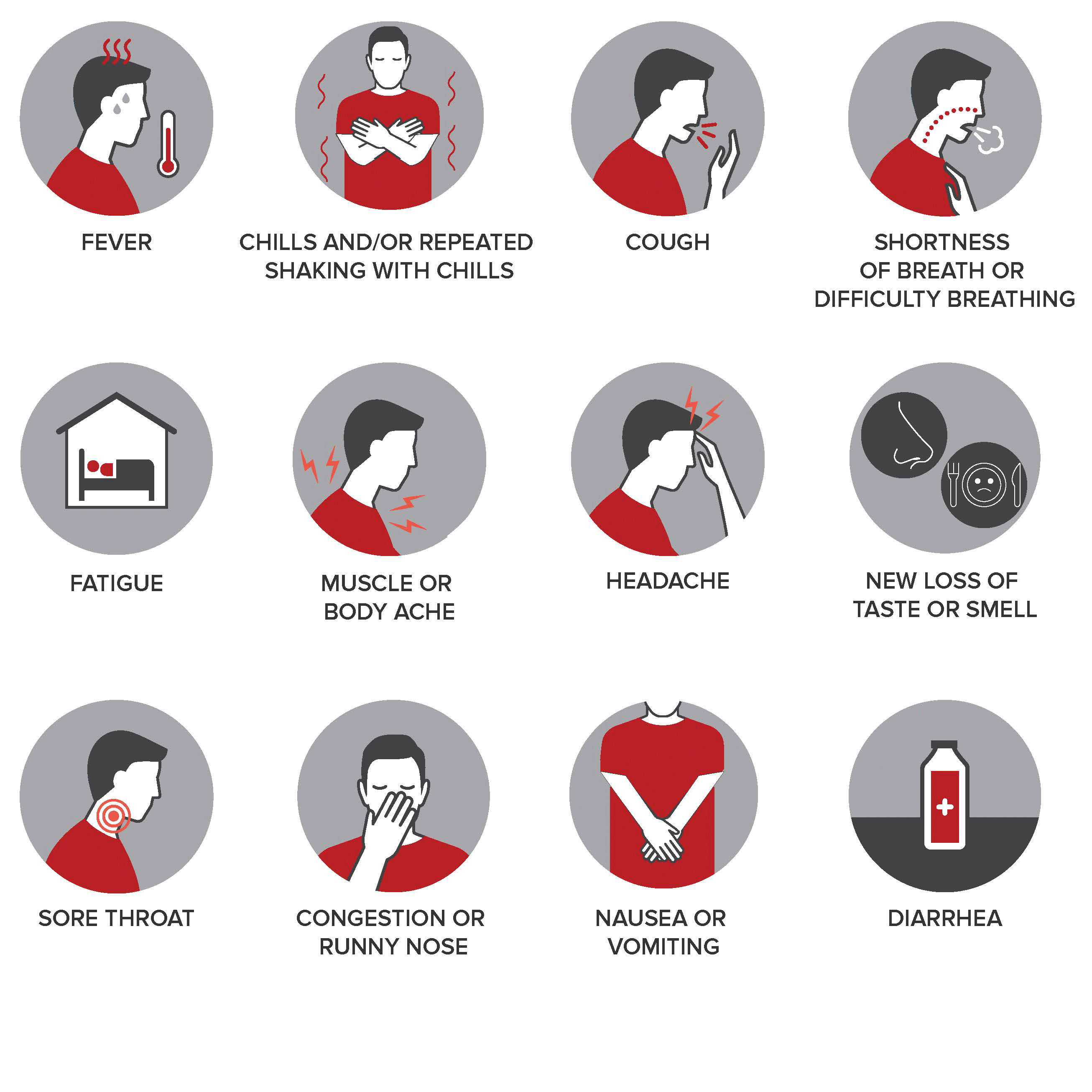
- Track your symptoms: Keep a diary of when symptoms started, how they’ve changed, and any triggers (e.g., coughing after laughing). This helps doctors assess urgency.
- Use the “3-week rule”: In Ireland, if you have any of the following, insist on a referral under the GP Cancer Pathway:
- A cough lasting three weeks or more
- Unexplained weight loss (losing 5%+ of body weight without trying)
- Blood in phlegm or persistent chest pain
- Shortness of breath that doesn’t improve
- Ask for a second opinion: If your GP dismisses your concerns, request a referral to a specialist. In Ireland, you can self-refer to a lung clinic through your local hospital.
- Know your risk factors: While lung cancer can strike anyone, risks include:
- Smoking (even ex-smokers)
- Exposure to secondhand smoke or radon gas
- Family history of lung cancer
- Occupational exposure (e.g., asbestos, silica dust)
Even non-smokers account for 20% of lung cancer cases, often due to radon exposure or genetic factors.
Dr. Ni Shúilleabháin advises patients to use the phrase: “I’m not here for reassurance—I want to rule out something serious.” This shifts the conversation from “Is it a cold?” to “What tests do I need?”
—
Expert Reactions: Why This Case Matters
Medical professionals and patient advocates say her story underscores systemic failures—and opportunities—for earlier detection:
“This is a tragedy that could have been avoided with better public health messaging and GP training. The symptoms she described are classic red flags for lung cancer, yet they were overlooked for months. We need to normalize saying, ‘This doesn’t feel right—let’s get it checked.’”
—Marie O’Connor, CEO of the Irish Cancer Society
Dr. Crown added that Ireland’s National Cancer Control Programme has made progress in reducing breast and cervical cancer delays, but lung cancer remains an outlier. “We’ve done a poor job of educating the public that lung cancer isn’t just a smoker’s disease,” he said. “It’s the leading cause of cancer death in Ireland, yet many people still think it’s rare or only affects older men.”
Patient advocacy groups are pushing for:
- Mandatory lung cancer awareness campaigns in schools and workplaces
- Expanded access to low-dose CT scans for high-risk groups (currently limited to smokers over 55)
- GP training programs to improve recognition of subtle symptoms
Meanwhile, the woman at the center of this story is now undergoing chemotherapy. While she acknowledges the delay was partly her own—she “didn’t want to be a bother”—she now advocates for others to trust their instincts. “If I’d known to say, ‘This isn’t normal,’ I might have saved myself months of this,” she said.
—
What’s Next? Policy and Public Awareness Efforts
In response to rising concerns, the Irish government has pledged to:
- Expand the National Lung Cancer Screening Programme to include non-smokers at high risk (e.g., those with radon exposure or family history)
- Fund a public awareness campaign by 2025, modeled after successful breast cancer campaigns
- Increase funding for GP training in early cancer symptom recognition
The Health Service Executive (HSE) is also piloting a new “urgent symptom” referral pathway, where patients can bypass routine appointments for suspected cancer cases. However, critics argue these changes are too slow given the urgency of lung cancer progression.
For now, experts urge patients to take persistent symptoms seriously—and doctors to adopt a more cautious approach when evaluating coughs, fatigue, or weight loss. “In medicine, we often say, ‘When you hear hoofbeats, think horses, not zebras,’” said Dr. Ni Shúilleabháin. “But when the hoofbeats keep coming, and the patient keeps getting worse, it’s time to consider the zebra.”
—
Frequently Asked Questions
Can a cough really be cancer?
Yes. While most coughs are caused by infections or allergies, a persistent cough lasting three weeks or more—especially if it produces blood or is accompanied by weight loss or fatigue—should prompt a cancer screening. Lung cancer often presents with coughing as its first symptom.
Why do doctors sometimes dismiss cancer symptoms?
GPs are trained to avoid overtesting for rare conditions, but systemic pressures—like time constraints and symptom overlap with common illnesses—can lead to missed diagnoses. A 2023 study found that 30% of cancer patients reported feeling “rushed” or “dismissed” during GP visits.
What’s the difference between a cold and early lung cancer symptoms?
| Cold/Flu Symptoms | Early Lung Cancer Symptoms |
|---|---|
| Lasts 7–10 days | Persists for 3+ weeks without improvement |
| Mild fatigue (goes away with rest) | Extreme fatigue (even after sleep) |
| No weight changes | Unexplained weight loss (5%+ of body weight) |
| No blood in mucus | Blood in phlegm or coughing up rust-colored sputum |

How can I insist on being taken seriously by my GP?
Use clear, direct language:
- “I’ve had this cough for six weeks—what tests can rule out serious causes?”
- “I’ve lost 5kg without trying. When can I see a specialist?”
- “I’m not here for reassurance—I want to know if this could be cancer.”
If your GP still hesitates, ask for a referral under the GP Cancer Pathway.
Is lung cancer always fatal?
No. When detected at stage 1, the 5-year survival rate is 73%. However, only 15% of lung cancer cases in Ireland are diagnosed at this early stage. Delays—like in this case—often push diagnoses to stage 3 or 4, where survival drops to 22%.
What should I do if I’m worried about symptoms?
Contact your GP immediately and:
- Describe your symptoms in detail (duration, triggers, changes)
- Ask specifically about cancer screening if symptoms persist
- Request a referral to a specialist if your GP is unsure
- In Ireland, you can self-refer to a lung clinic through your local hospital
Trust your instincts—if something feels wrong, it’s worth investigating.
—
This story serves as a stark reminder that cancer doesn’t always announce itself with dramatic symptoms. Often, it begins with what feels like a stubborn cold—and by the time the alarm bells ring, it may be too late. For her part, the Cork mother is now sharing her journey publicly to urge others to act sooner. “I didn’t want to be that person who caused a fuss,” she said. “But if I could go back, I’d have pushed harder. Don’t wait.”
