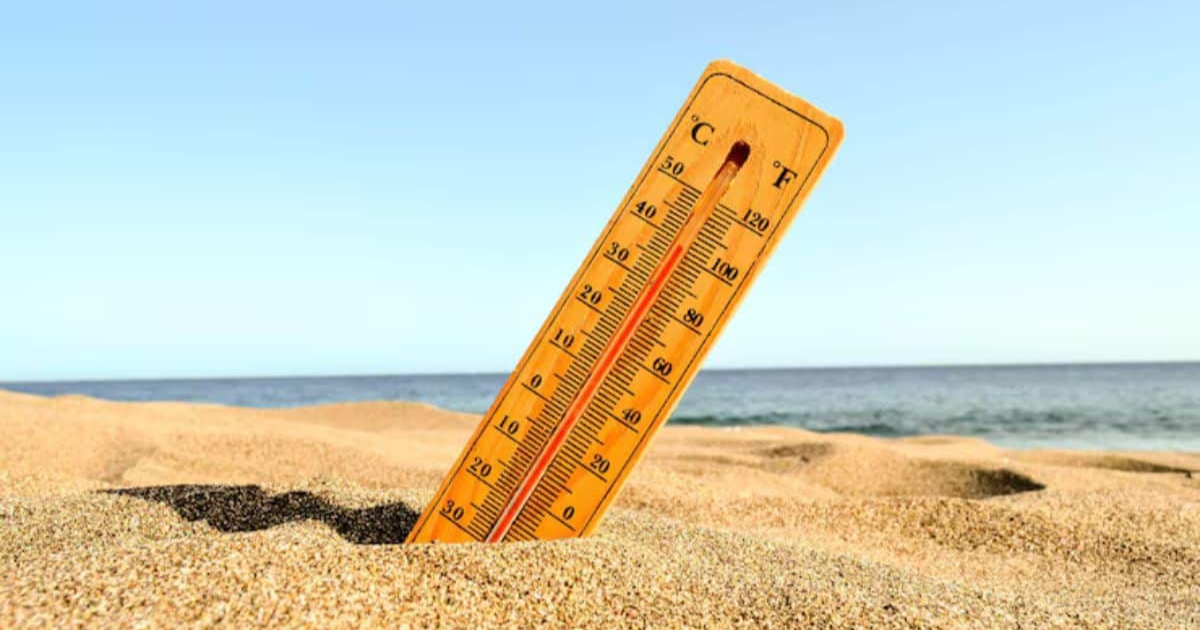
Morocco’s heat wave is set to peak this week with temperatures reaching near-record highs, according to multiple local meteorological reports, as authorities brace for power demand spikes and potential health risks.
Forecasters warn that parts of the country could see temperatures climb to 46°C (114.8°F) by Wednesday, June 24, with L’Economiste and Le Matin.ma reporting that cities like Marrakech and Casablanca will face the most intense heat. The extreme conditions come amid forecasts of isolated but severe thunderstorms, particularly in the north and central regions, which could bring brief but heavy rainfall.
Why Is This Heat Wave Unusual?
This surge in temperatures follows a pattern of early-season heat waves that have gripped North Africa in recent weeks. According to Météo reports, the current spike is 3–5°C above the historical average for late June, with officials attributing the trend to a combination of high-pressure systems and climate shifts. H24info notes that similar extreme conditions were observed in May, when several regions recorded temperatures exceeding 40°C (104°F)—a full month ahead of schedule.
The National Meteorological Office has issued advisories urging residents to limit outdoor activities during peak heat hours, particularly between 11 a.m. and 5 p.m. Local media outlets, including Medias24, highlight concerns over increased electricity demand, which could strain the national grid as air conditioning use rises. Authorities have also warned of heightened fire risks, especially in forested areas.
What to Expect: Storms and Sudden Relief
While the heat dominates headlines, meteorologists emphasize that the week will also bring unpredictable weather shifts. Le360 reports that thunderstorms are expected to roll in by Tuesday, June 23, particularly in the Rif Mountains and along the Atlantic coast. These storms could bring localized flooding and strong winds, offering temporary relief from the oppressive heat but also posing risks to outdoor infrastructure.

The contrast between scorching days and sudden storms has led some residents to describe the conditions as “unsettling”, according to social media posts shared by local outlets. L’Economiste notes that such rapid weather changes are becoming more common in Morocco, aligning with broader regional trends of erratic climate patterns.
How Are Authorities Responding?
In anticipation of the heat wave, the Moroccan government has activated emergency protocols, including the distribution of cooling stations in high-risk urban areas. The Ministry of Health has also issued guidelines for vulnerable populations, such as the elderly and children, urging hydration and shade-seeking behaviors. Le Matin.ma reports that hospitals in southern regions have already seen a rise in heat-related illnesses, prompting calls for increased vigilance.
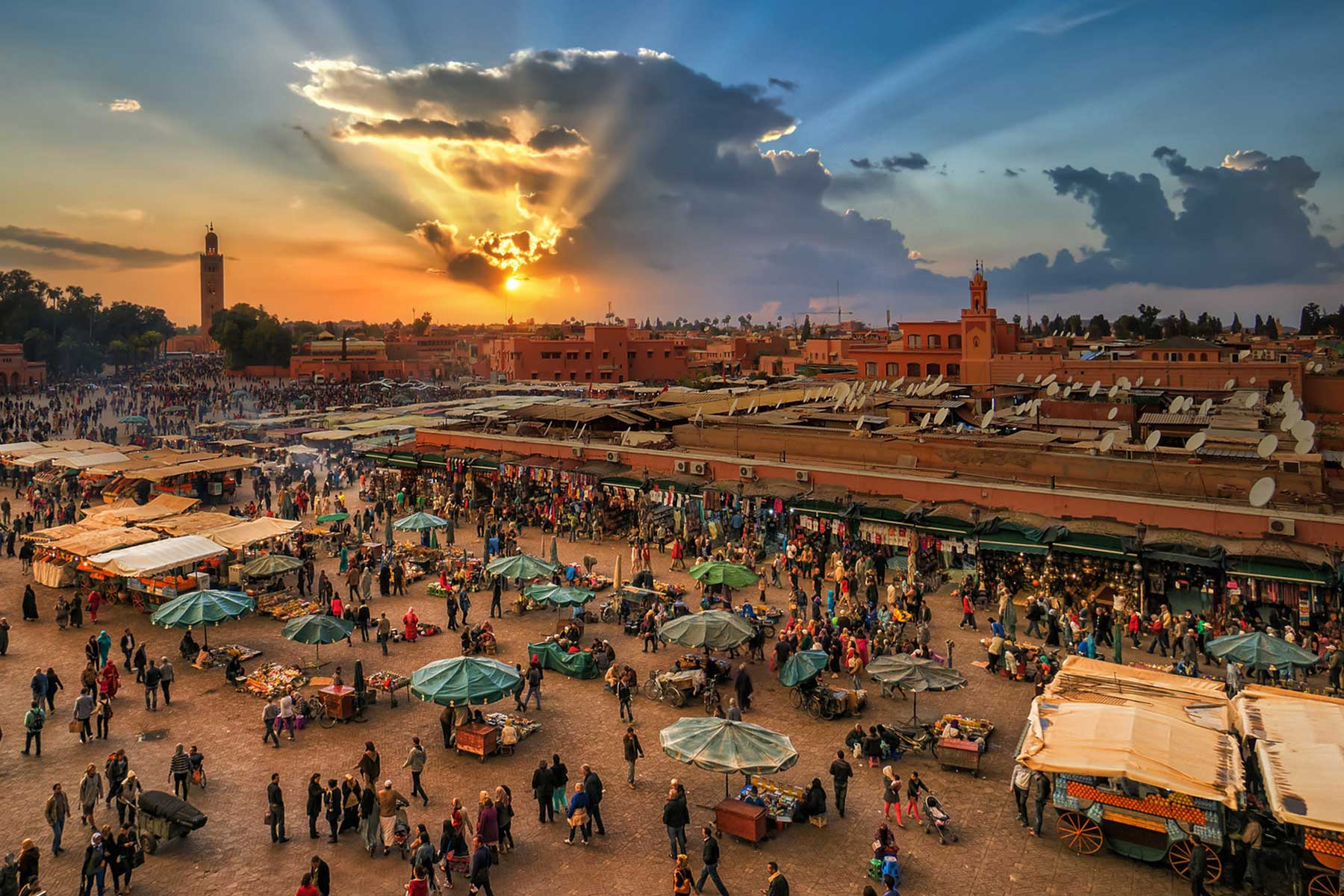
Energy providers, meanwhile, are preparing for a 20% surge in electricity consumption compared to typical June levels, according to Medias24. Officials have urged businesses to adjust operating hours to avoid peak demand periods, though the effectiveness of these measures remains uncertain as temperatures continue to climb.
What Happens Next?
The National Meteorological Office predicts that the extreme heat will persist through at least Wednesday, June 25, before gradually easing by the weekend. However, forecasters caution that another heat wave could follow by early July, suggesting this may be the first of multiple intense heat events this summer.
For now, residents are advised to monitor official updates from sources like Météo Maroc and local news outlets for real-time adjustments to safety measures. The situation underscores broader concerns about climate resilience in North Africa, where rising temperatures are reshaping daily life and infrastructure planning.
