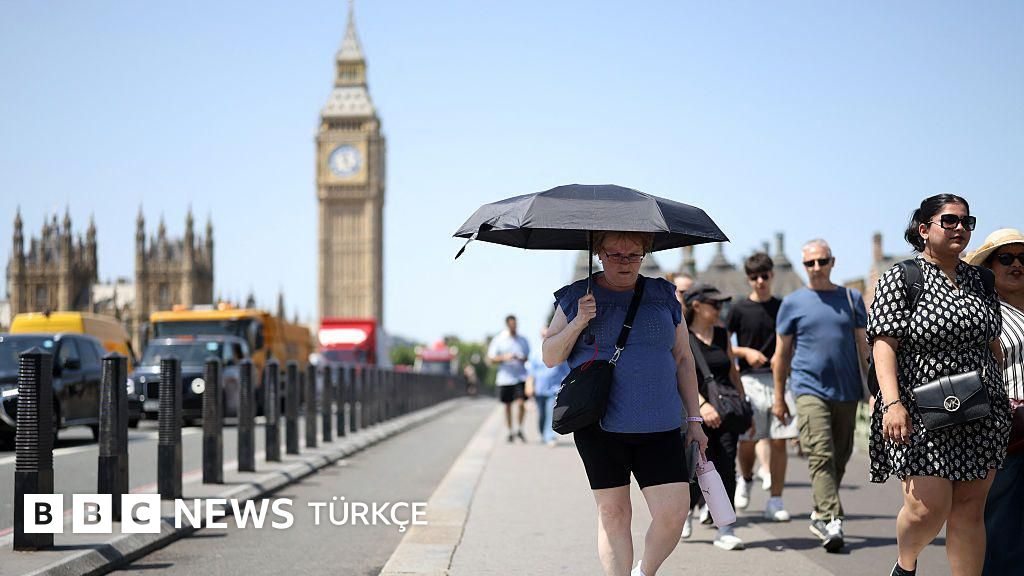
Europe is in the grip of its most severe heatwave in modern records, with temperatures shattering national highs and officials warning of a humanitarian crisis as El Niño’s influence deepens.
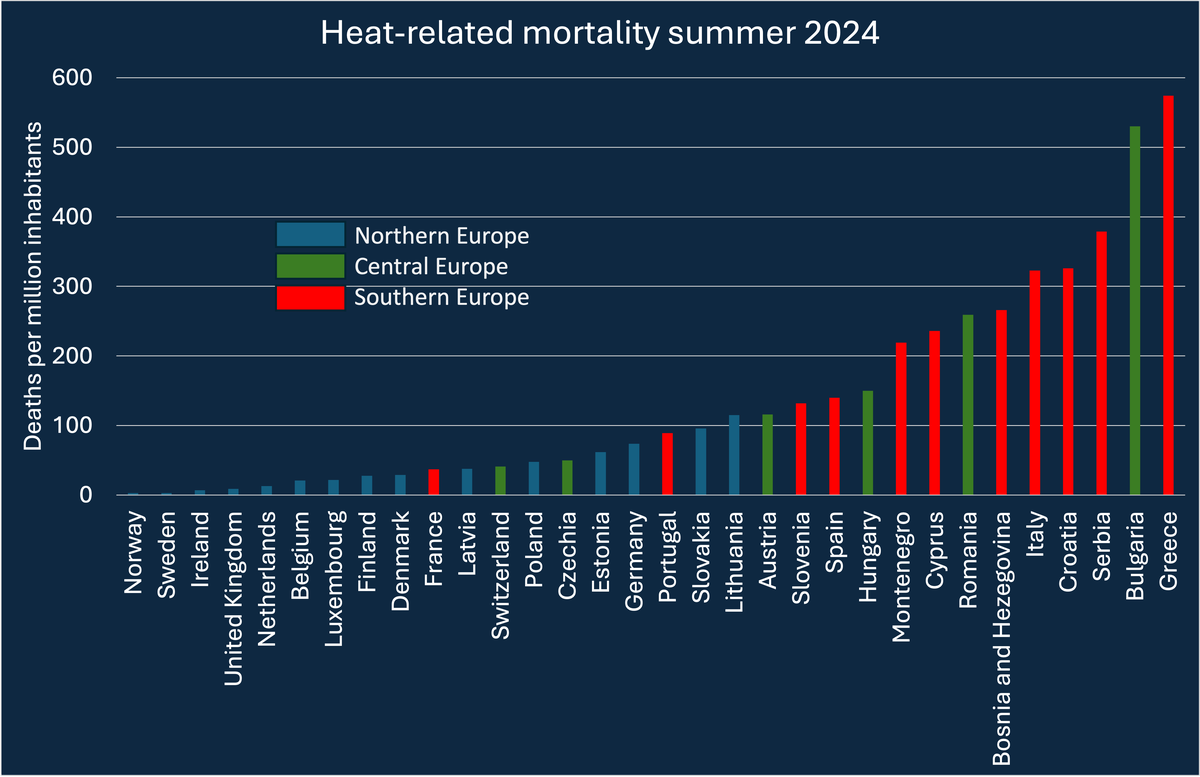
France recorded its hottest day ever on Monday, surpassing the previous peak by nearly 1 degree Celsius, while Italy’s health authorities reported hundreds of heat-related deaths in recent weeks. In Turkey, authorities issued rare “do not leave home” advisories as power grids strained under demand, and Spain’s meteorological service warned of “extreme danger” for outdoor workers.
Why This Heatwave Is Different—and How El Niño Is Making It Worse
This year’s heatwave stands out for its intensity and duration. France’s 40.3°C (104.5°F) reading Monday broke the 2019 record of 40.2°C, according to the country’s national meteorological service. Meanwhile, Italy’s civil protection agency reported 110 heat-related deaths in just the past week, with Rome’s temperatures hovering near 42°C (107.6°F) for days.
Climatologists attribute the spike to the ongoing El Niño cycle, which has warmed Mediterranean waters and disrupted atmospheric patterns. “The current El Niño is amplifying the heat dome over southern Europe,” said a climate researcher at the European Centre for Medium-Range Weather Forecasts, adding that models suggest no relief before mid-August. “This isn’t just another hot summer—it’s a stress test for infrastructure and public health systems.”
In Turkey, where authorities declared a “red alert” in 22 provinces, energy officials warned of potential blackouts as air conditioning demand surged. “We’re seeing demand rise by 30% compared to last year,” a spokesperson for the Turkish Electricity Transmission Corporation told reporters, noting that reservoirs feeding hydropower plants had dropped to critical levels.
How Governments Are Responding—and Where the Risks Remain
France’s government activated emergency protocols, including the opening of cooling centers and restrictions on outdoor work during peak hours. “This is a public health emergency,” Health Minister Aurélien Rousseau stated in a televised address. “We’re mobilizing all resources to prevent further casualties.”
The situation is unprecedented. We’ve never seen temperatures this high for this long in July.
— Carlo Lucarelli, head of Italy’s Civil Protection Department
Italy’s response has focused on vulnerable populations, with regional governments distributing free water and activating nighttime cooling buses in cities like Naples. However, officials acknowledge the strain on hospitals, where admissions for heatstroke have doubled since June.
In contrast, Turkey’s approach has centered on energy rationing. The government urged citizens to limit non-essential electricity use between 12 p.m. and 8 p.m., while municipal authorities in Istanbul and Ankara installed temporary misting stations in public squares. Yet, with no immediate end to the heatwave in sight, experts warn that power outages could become inevitable.
What Comes Next: The Outlook for August and Beyond
Short-term forecasts offer little relief. The World Meteorological Organization predicts that El Niño’s effects will persist through at least September, maintaining above-average temperatures across southern Europe and the Middle East. In the Mediterranean, this could trigger secondary risks, including wildfires and water shortages.

Longer-term, the heatwave underscores Europe’s vulnerability to climate-driven extremes. A 2023 study published in Nature projected that such events could become 10 times more likely by 2050 without aggressive mitigation. For now, governments are focused on immediate survival—but the question of how to adapt remains unanswered.
Fast Facts
- France: Recorded 40.3°C (104.5°F) on July 23, breaking the 2019 record of 40.2°C.
- Italy: 110 heat-related deaths reported in the past week alone; Rome hit 42°C (107.6°F).
- Turkey: “Do not leave home” advisories issued in 22 provinces; energy demand up 30% vs. 2023.
- El Niño’s Role: Current cycle amplifying Mediterranean heat domes; no relief expected before mid-August.
- Global Context: 2023 was Europe’s hottest year on record; 2024 trends suggest further extremes.
