
Peter Wanted to Make MND a Notifiable Disease: His Wish Has Finally Come True
Queensland health authorities have established a new Motor Neurone Disease (MND) database, fulfilling a long-term campaign by a patient named Peter to make the condition a notifiable disease. This registry aims to centralize patient data to accelerate research into a cure for the neurodegenerative condition, often referred to as “The Beast,” by ensuring every case is tracked and analyzed by medical researchers.
What is the New Queensland MND Database?
The Queensland government has launched a specialized database designed to record every instance of Motor Neurone Disease diagnosed within the state. According to reports from The Courier Mail, this initiative is intended to create a comprehensive map of the disease’s prevalence, progression, and characteristics across the population. By gathering this data in one location, health officials and researchers can identify patterns that were previously hidden in fragmented medical records.
Historically, MND data has been siloed within individual clinics or hospitals. A patient diagnosed in a rural area might have their data remain in a local file, while a patient in Brisbane is tracked in a city hospital. The new database removes these barriers, allowing for a statewide overview. This centralized approach is designed to help scientists understand why some people develop the disease and why it progresses at different speeds in different patients.
The primary goals of the database include:
- Accelerating Clinical Trials: By knowing exactly how many people have MND and where they are located, researchers can recruit participants for drug trials more efficiently.
- Identifying Environmental Triggers: A statewide map may reveal geographic clusters, suggesting that certain environmental factors contribute to the onset of the disease.
- Improving Patient Care: Data on which treatments work best for specific subtypes of MND can be shared across the medical community to improve standard care.
Why Making MND a “Notifiable Disease” Matters
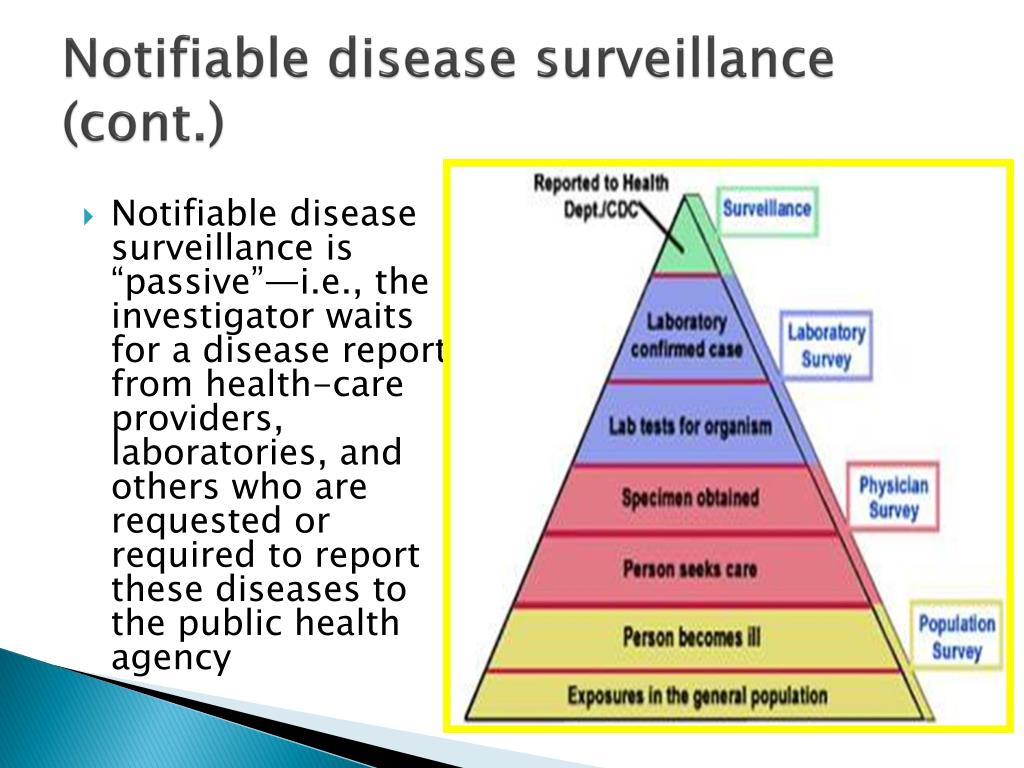
The core of Peter’s campaign was the demand that MND be classified as a notifiable disease. In public health terms, a notifiable disease is a condition that healthcare providers are legally required to report to government health authorities. Common examples include tuberculosis, measles, or more recently, COVID-19.
When a disease is notifiable, the reporting process is automatic. A doctor does not simply tell the patient they have the condition; they also send a formal notification to the health department. This ensures that no case goes uncounted. For MND, which is often difficult to diagnose and can be overlooked in its early stages, this requirement is critical.
The shift toward a notifiable-style database means that the burden of reporting no longer rests solely on the patient or their family, but becomes a systemic requirement of the healthcare process.
By pushing for this status, Peter aimed to treat MND with the same urgency as an infectious disease outbreak. While MND is not contagious, the “outbreak” in this context refers to the systemic failure to track the disease’s spread and impact across the community. The implementation of the Queensland database represents a victory for this philosophy, moving the disease from a private medical struggle to a public health priority.
Comparison: Standard Diagnosis vs. Notifiable Reporting
| Feature | Standard Diagnosis | Notifiable/Registry Reporting |
|---|---|---|
| Data Storage | Stored in private GP or hospital files. | Stored in a centralized government database. |
| Reporting Responsibility | Patient must opt-in to research studies. | Provider reports case to health authorities. |
| Research Access | Researchers must find patients individually. | Researchers access a comprehensive population list. |
| Public Health Visibility | Estimated prevalence based on samples. | Actual prevalence based on total case counts. |
Who is Peter and What Driven His Campaign?
Peter, a man living with the realities of Motor Neurone Disease, became the face of the movement to change how the disease is tracked in Australia. His motivation stemmed from the frustration of seeing “The Beast”—the nickname given to MND due to its aggressive and destructive nature—operate in the shadows of the medical system.
According to reports from the Illawarra Mercury, Peter recognized that the lack of a centralized registry was a bottleneck in the search for a cure. He argued that if the government could track a flu outbreak with precision, they should be able to track a fatal neurodegenerative disease with the same rigor. His campaign was not just about data; it was about the recognition of the disease’s severity.
Peter’s advocacy focused on the idea that every person diagnosed with MND is a potential piece of a puzzle. When data is lost or unrecorded, a piece of that puzzle vanishes. By making the disease notifiable, Peter wanted to ensure that every single patient’s experience contributed to the eventual discovery of a cure.
Understanding “The Beast”: What is Motor Neurone Disease?
To understand why a database is so vital, one must understand the nature of Motor Neurone Disease. MND is a group of progressive neurological disorders that destroy motor neurons—the cells that give instructions to the muscles to move. When these neurons die, the brain can no longer initiate and control muscle movement.
The most common form is Amyotrophic Lateral Sclerosis (ALS). As the disease progresses, patients lose the ability to speak, eat, walk, and eventually breathe. Because it attacks the nervous system while leaving the mind often intact, it is described as one of the most cruel conditions known to medicine.
Key Challenges in MND Research
- Heterogeneity: MND does not affect everyone the same way. Some patients lose limb function first, while others struggle with speech and swallowing (bulbar onset).
- Slow Recruitment: Because the patient population is relatively small compared to cancer or heart disease, finding enough people for a clinical trial can take years.
- Rapid Progression: The window for testing new drugs is often small, as the disease moves quickly.
The Queensland database addresses these challenges by providing a “ready-made” cohort of patients. Instead of spending months searching for eligible participants, researchers can use the database to identify patients who fit the specific criteria for a trial, potentially shaving years off the development time for new therapies.
The Implications for Future Medical Research
The transition to a centralized database in Queensland provides a blueprint for other states and countries. When a health system knows the exact number of people living with a condition, it can allocate resources more effectively. This includes funding for palliative care, the placement of specialized clinics, and the allocation of government grants for research.
Medical experts suggest that the “notifiable” approach allows for “real-world evidence” (RWE) collection. Rather than relying solely on controlled clinical trials, researchers can look at the database to see how patients are faring in their everyday lives. They can track the effectiveness of different care strategies across thousands of people simultaneously.
Furthermore, the database allows for the study of “long-term survivors.” In any disease, there are outliers—people who live significantly longer than the average. By tracking every case, researchers can identify these individuals and study their genetics or lifestyle to see if they possess a natural resistance to the disease. This is often where the most significant breakthroughs in cure research occur.
For those interested in how this fits into broader health policy, a related explainer on medical registries provides more context on how data is used to fight rare diseases.
Addressing Common Misconceptions About MND Tracking
The move toward a notifiable database often raises concerns regarding privacy and the “labeling” of patients. It is important to clarify several points based on standard medical registry protocols.
Misconception 1: Privacy will be compromised.
Medical databases are governed by strict health privacy laws. Data used for research is typically “de-identified,” meaning names and addresses are removed and replaced with codes. Researchers see the medical data, not the identity of the person.
Misconception 2: It is only about counting people.
Counting is the first step, but the real value is in the variables. The database tracks age, gender, location, onset symptoms, and genetic markers. It is a tool for analysis, not just a census.
Misconception 3: This will immediately lead to a cure.
A database is not a cure itself; it is the infrastructure that makes a cure possible. It removes the administrative and logistical hurdles that have slowed down science for decades.
The Broader Impact on Patient Advocacy
The success of Peter’s wish signals a shift in the power dynamic between patients and health systems. For a long time, patients were viewed as passive recipients of care. Peter’s campaign repositioned the patient as a strategic partner in research.
By demanding that the disease be notifiable, he asserted that the patient’s data is a public asset that should be used for the greater good. This model of advocacy—where patients identify a systemic gap (like the lack of a registry) and lobby for a policy change—is becoming more common in the fight against rare and neurodegenerative diseases.
The result is a system that is more responsive to the needs of the community. When the government acknowledges a disease as “notifiable,” it is a formal admission that the condition is a priority for the state. This puts political pressure on health departments to maintain funding and support for those affected.
Frequently Asked Questions
What does it mean for MND to be a notifiable disease?
It means that healthcare providers are required to report every diagnosed case of Motor Neurone Disease to a central health authority. This ensures that every patient is recorded in a database, eliminating gaps in data that occur when records are kept only in private clinic files.
How does the Queensland MND database help find a cure?
The database allows researchers to identify patterns in the disease, find participants for clinical trials more quickly, and study “long-term survivors” to understand why some people resist the disease longer than others. It turns a fragmented group of patients into a cohesive data set for scientific study.

Who was Peter in the context of this story?
Peter was a patient with MND who campaigned for the disease to be made notifiable. He believed that the only way to defeat “The Beast” was to track it with the same urgency and precision that governments use to track infectious disease outbreaks.
Is the MND database available in other Australian states?
While Queensland has implemented this specific database and approach, MND tracking varies by state. The success of the Queensland model may serve as a catalyst for a national registry, which would further increase the pool of data available to researchers.
Will my personal information be public if I am in the database?
No. According to standard medical research protocols, data in these registries is de-identified. This means that while the medical facts of the case are used for research, the personal identity of the patient is protected by strict privacy laws.
The establishment of this registry marks the end of a long battle for visibility. By transforming MND from a series of isolated medical tragedies into a tracked public health priority, the foundations have been laid for a more aggressive and informed search for a cure. The legacy of Peter’s campaign is a system where no patient is invisible and every case counts toward the eventual defeat of the disease.
