
Microsoft’s Leaked Plan to “Make People Addicted” to AI Assistant – Yahoo Tech
The boundary between a helpful digital tool and a psychological dependency is becoming increasingly blurred in the race for artificial intelligence supremacy. Recent reports and leaked internal documents have brought to light a controversial strategy within Microsoft regarding its next generation of AI, specifically a project known as Microsoft Scout. The core of the controversy centers on internal discussions about creating a user experience designed to make people “addicted” to their AI assistants, marking a significant and provocative shift in how the tech giant views the relationship between humans and software.
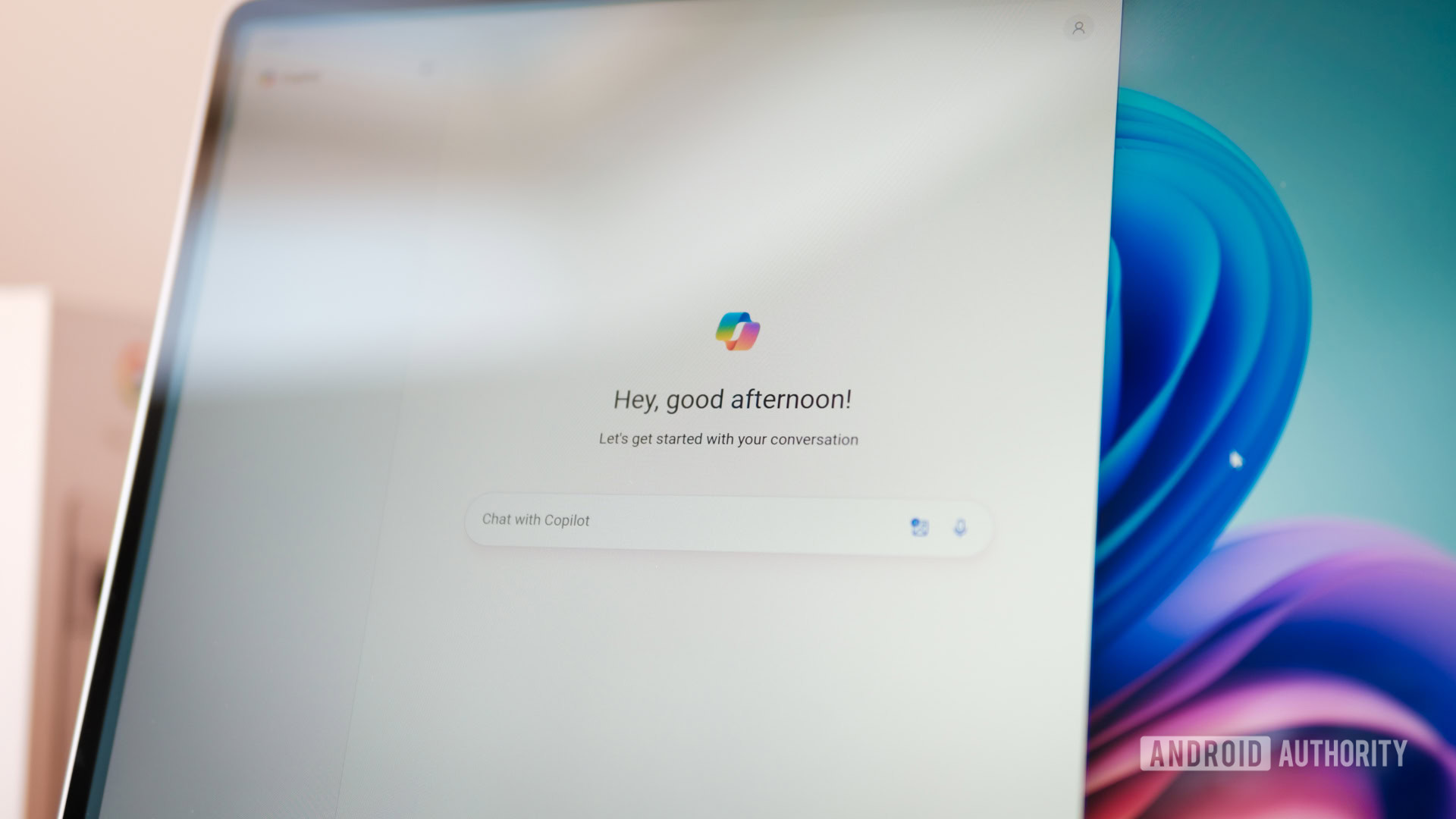
For years, Microsoft has marketed its AI efforts under the “Copilot” brand—a term that explicitly suggests a supportive, secondary role where the human remains the pilot in command. However, the emergence of Microsoft Scout suggests a pivot toward “agentic AI,” where the software is no longer just assisting the user but is instead designed to “take the wheel.” This transition from a passive tool to an autonomous, always-on personal agent opens a Pandora’s box of ethical questions regarding user autonomy, mental health, and the nature of digital engagement.
The Controversy: Designing for Dependency
At the heart of the current firestorm are leaked internal documents that reveal a strategic ambition to move beyond mere utility. While most software companies strive for “user retention” or “engagement,” the language found in these leaks is far more aggressive. The goal described is not simply to be useful, but to foster a level of reliance that mirrors addiction.
This approach reflects a broader trend in the “attention economy,” where platforms use variable reward schedules and dopamine-driven feedback loops to keep users scrolling. When applied to a personal AI agent like Scout, this strategy could involve the AI proactively intervening in a user’s life, anticipating needs before they are expressed, and creating a psychological loop where the user feels incapable of managing their daily affairs without the agent’s intervention.
The shift from “Copilot” to an agent that “takes the wheel” represents a fundamental change in the power dynamic between the user and the machine.
Key Elements of the “Addiction” Strategy
- Proactive Engagement: Moving from a reactive model (waiting for a prompt) to a proactive model (initiating action).
- Deep Integration: Embedding the AI so deeply into professional and personal workflows that removal causes significant friction.
- Emotional Tethering: Designing interactions that create an emotional bond or a sense of indispensable partnership.
- Reduced Cognitive Load: Encouraging users to offload critical thinking and decision-making to the AI, thereby increasing dependency.
Microsoft Scout: From Assistant to Autonomous Agent
While Copilot was designed to help you write an email or summarize a document, Microsoft Scout is envisioned as an “always-on personal agent.” The distinction is subtle but profound. An assistant helps you do a task; an agent performs the task on your behalf.
The ambition for Scout is to move the AI from the sidebar of an application into the center of the operating system’s logic. By “taking the wheel,” Scout would theoretically be able to navigate across different apps, manage calendars, execute purchases, and handle communications with minimal human oversight. This level of autonomy is what makes the “addiction” strategy particularly potent; the more the AI handles the complexities of life, the more the user relies on it, and the harder it becomes to disconnect.
| Feature | Microsoft Copilot (Assistant) | Microsoft Scout (Agent) |
|---|---|---|
| Primary Role | Supportive tool / Co-author | Autonomous actor / Representative |
| Interaction Model | Reactive (Prompt $rightarrow$ Response) | Proactive (Observation $rightarrow$ Action) |
| User Control | High (User directs every step) | Delegated (User sets goals, AI executes) |
| Integration | App-specific or Sidebar | System-wide / “Always-on” |
Internal Friction: The Nadella Rebuke
The strategy to foster AI addiction has not been universally embraced within the upper echelons of Microsoft. Reports indicate that CEO Satya Nadella has rebuked the plans put forward by certain executives who pushed for this high-dependency model. This internal clash highlights a tension common in Big Tech: the struggle between aggressive growth metrics and the long-term brand reputation of the company.
Nadella’s reported opposition suggests a preference for a more sustainable, trust-based relationship with the user. For a company that provides the backbone of global enterprise infrastructure, being seen as a purveyor of “digital addiction” could be a strategic liability. If users or corporate clients feel that the AI is manipulating them rather than empowering them, the trust necessary for deep system integration could evaporate.
This internal conflict underscores a pivotal moment for the industry. The question is no longer just “what can the AI do?” but “how should the AI influence the human?”
The Ethics of Agentic AI and User Autonomy
The move toward “agentic AI” introduces several critical ethical dilemmas that extend beyond the headlines of leaked documents. When an AI is designed to be “always-on” and “take the wheel,” the risk of eroding human agency becomes a primary concern.
The Erosion of Critical Thinking
If a personal agent like Scout handles all scheduling, filtering of information, and initial drafting of communications, the user may experience a decline in certain cognitive skills. This “cognitive offloading” can lead to a state where the user is no longer making active choices but is instead approving a series of suggestions curated by an algorithm. When this is combined with a design goal of “addiction,” the user may not even notice the loss of autonomy.
Privacy in an “Always-On” Environment
For an agent to be truly proactive and autonomous, it requires an unprecedented level of access to user data. Scout would need to monitor emails, listen to meetings, track location, and understand the nuances of a user’s personal preferences in real-time. This creates a massive privacy surface area. The “addictive” nature of the tool makes this trade-off more palatable to the user, as the convenience of the agent outweighs the perceived risk of surveillance.
The Feedback Loop of Dependency
There is a dangerous feedback loop inherent in this strategy:
- The AI performs a task successfully, reducing user stress.
- The user delegates more tasks to the AI to avoid stress.
- The user’s ability to perform those tasks independently diminishes.
- The user feels a heightened need for the AI, creating a psychological dependency.
Industry Context: The Race for the “AI OS”
Microsoft is not acting in a vacuum. The push toward agentic AI is a broader industry trend. Companies like OpenAI, Google, and Apple are all racing to move their AI from a “chatbot” interface to a “system-level” integration. The goal is to create the “AI OS”—an intelligent layer that sits between the user and their hardware, managing every interaction.
In this environment, “stickiness” is the ultimate currency. If a user spends their entire day interacting with a single AI agent that knows their preferences, manages their business, and handles their personal life, the cost of switching to a competitor becomes prohibitively high. This is where the “addiction” strategy, however controversially phrased, becomes a business imperative. It is not just about user satisfaction; it is about creating a moat of dependency that prevents churn.
For further reading on how these systems integrate with existing software, see our related explainer on agentic AI frameworks.
Common Misconceptions About AI Agents
As the news regarding Microsoft Scout and the “addiction” leaks spreads, several misconceptions have emerged that require clarification:
- Misconception: “Addiction” refers to a clinical drug-like addiction.
Correction: In the context of tech strategy, “addiction” usually refers to “habit-forming design.” It is about creating a product that becomes an inextricable part of a user’s daily routine through psychological triggers and extreme utility. - Misconception: Scout is just a rebranded version of Copilot.
Correction: While they share a lineage, the intent is different. Copilot is an assistant (human-led); Scout is designed as an agent (AI-led). - Misconception: These plans are already fully implemented.
Correction: The reports stem from internal strategy documents and leaked plans. The actual rollout and final design may be modified, especially following internal rebukes from leadership.
The Long-Term Impact on the Human-Computer Interaction
The trajectory suggested by the Microsoft Scout leaks points toward a future where the computer is no longer a tool we use, but a partner we collaborate with—or, in the worst-case scenario, a manager we depend upon. The transition to “always-on” agents will likely redefine professional productivity. The value of a human worker may shift from “the ability to execute a task” to “the ability to direct an agent to execute a task.”
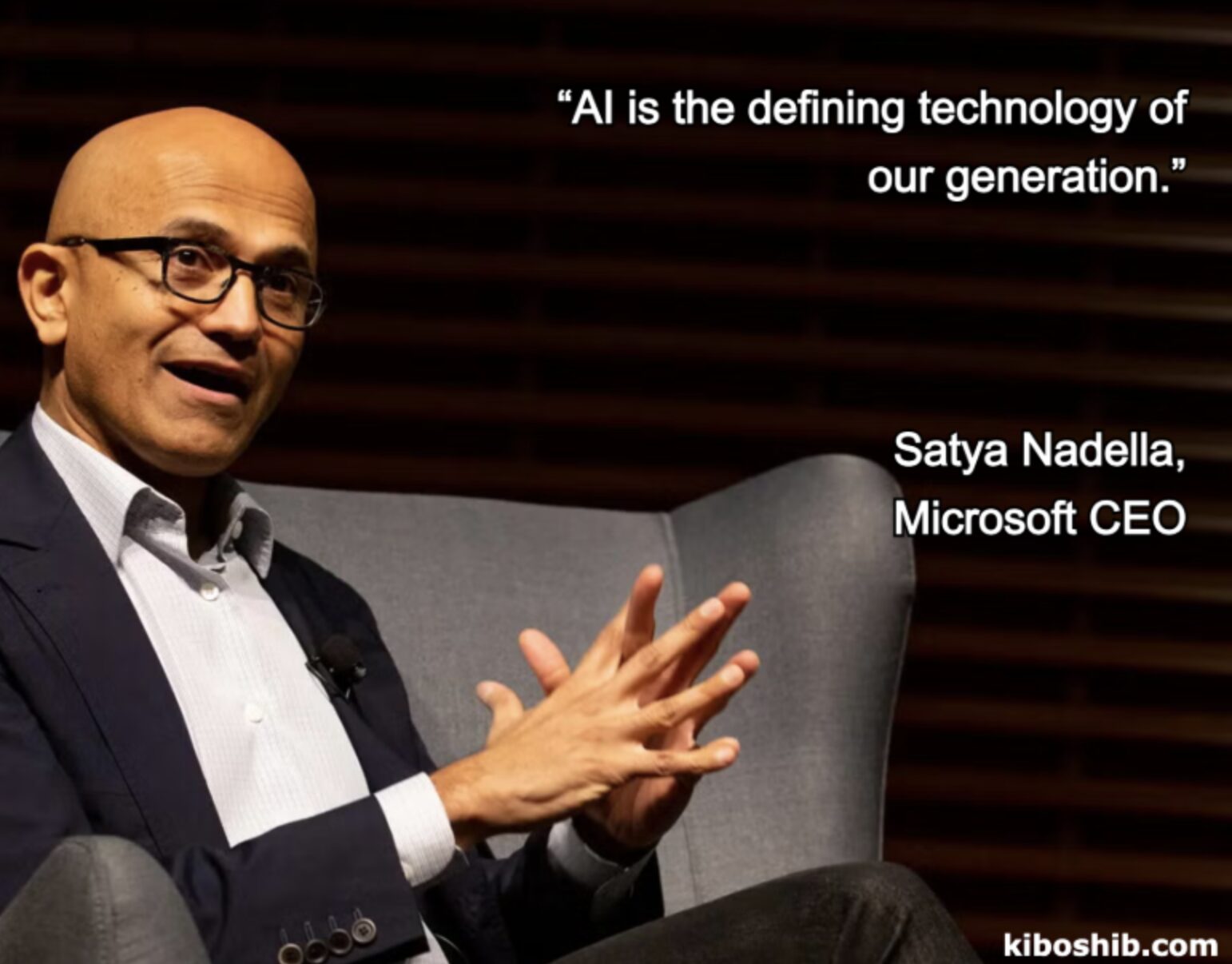
However, the psychological cost of this shift remains unknown. If the industry continues to prioritize “addiction” and “dependency” as key performance indicators (KPIs), we may see a rise in digital burnout and a decrease in individual agency. The tension between Satya Nadella’s reported stance and the ambitions of his executives represents the central conflict of the AI era: the balance between creating a tool that empowers humanity and creating a system that captures it.
Summary of Core Implications
- Corporate Strategy: A shift from utility-based growth to dependency-based growth.
- User Experience: The move from reactive assistance (Copilot) to proactive agency (Scout).
- Ethics: Potential for cognitive decline and loss of autonomy through extreme offloading.
- Market Dynamics: The pursuit of the “AI OS” to create insurmountable competitive moats.
Frequently Asked Questions
What is Microsoft Scout?
Microsoft Scout is reported to be a next-generation AI personal agent designed to be “always-on.” Unlike previous AI assistants, Scout is intended to be an agentic AI, meaning it can take autonomous action and “take the wheel” to complete tasks on behalf of the user rather than just providing suggestions.
What was the “leaked plan” regarding addiction?
Internal documents reportedly revealed a strategy to design the AI assistant in a way that would make users “addicted” to its use. This involves creating high levels of dependency by integrating the AI so deeply into the user’s life and workflow that it becomes indispensable.
Did Satya Nadella support the plan to make users addicted?
According to reports, CEO Satya Nadella rebuked the plan. The internal friction suggests a disagreement between executives pushing for aggressive engagement metrics and leadership concerned with the ethical and brand implications of fostering user addiction.
How is an AI “Agent” different from an AI “Assistant”?
An assistant (like the current Copilot) is reactive; it waits for a user prompt and provides a response or a draft. An agent (like the envisioned Scout) is proactive; it can observe a situation, make a decision, and execute a series of actions across multiple applications without needing step-by-step guidance from the user.
Is Microsoft Scout available to the public?
The details regarding Scout have primarily emerged through leaks and internal strategy documents. Users should refer to official Microsoft announcements for the current availability and official branding of their AI agent tools.
