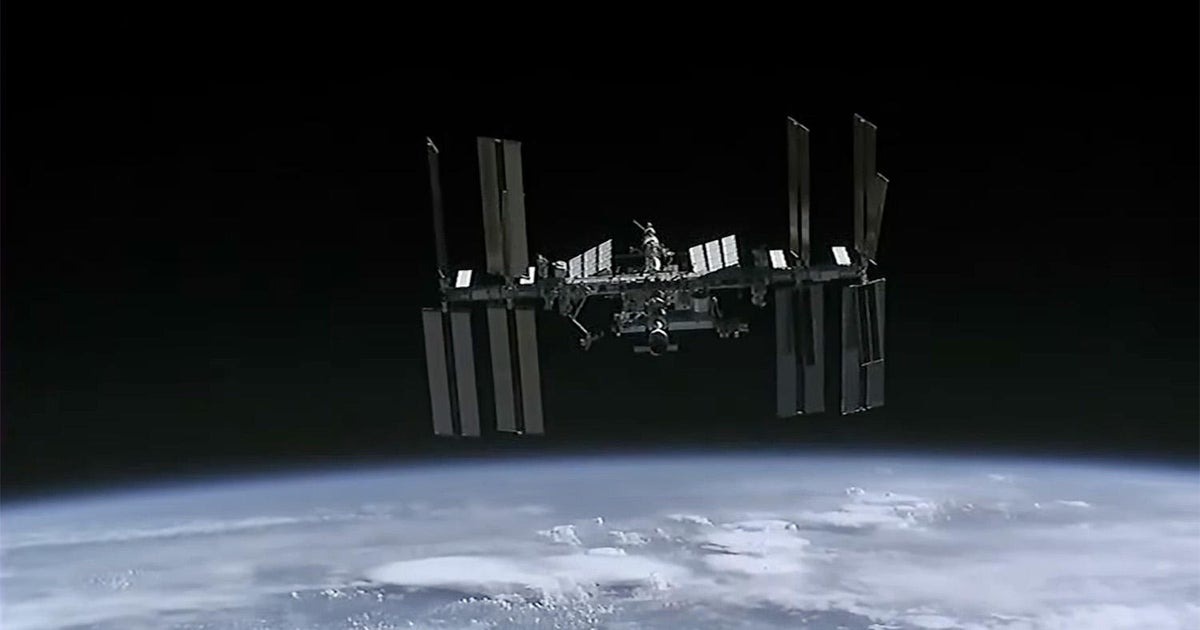
Space Station Crew Evacuates to ‘Safe Haven’ Amid Leak Concerns: What You Need to Know
In a routine yet critical procedure, the crew of the International Space Station (ISS) temporarily relocated to a designated “safe haven” following reports of a potential air leak. This incident, while brief, highlights the ongoing challenges of maintaining safety in the extreme environment of low Earth orbit. The event has sparked renewed discussions about spacecraft maintenance protocols, emergency response strategies, and the risks inherent to long-duration spaceflight.
The Incident Unfolds
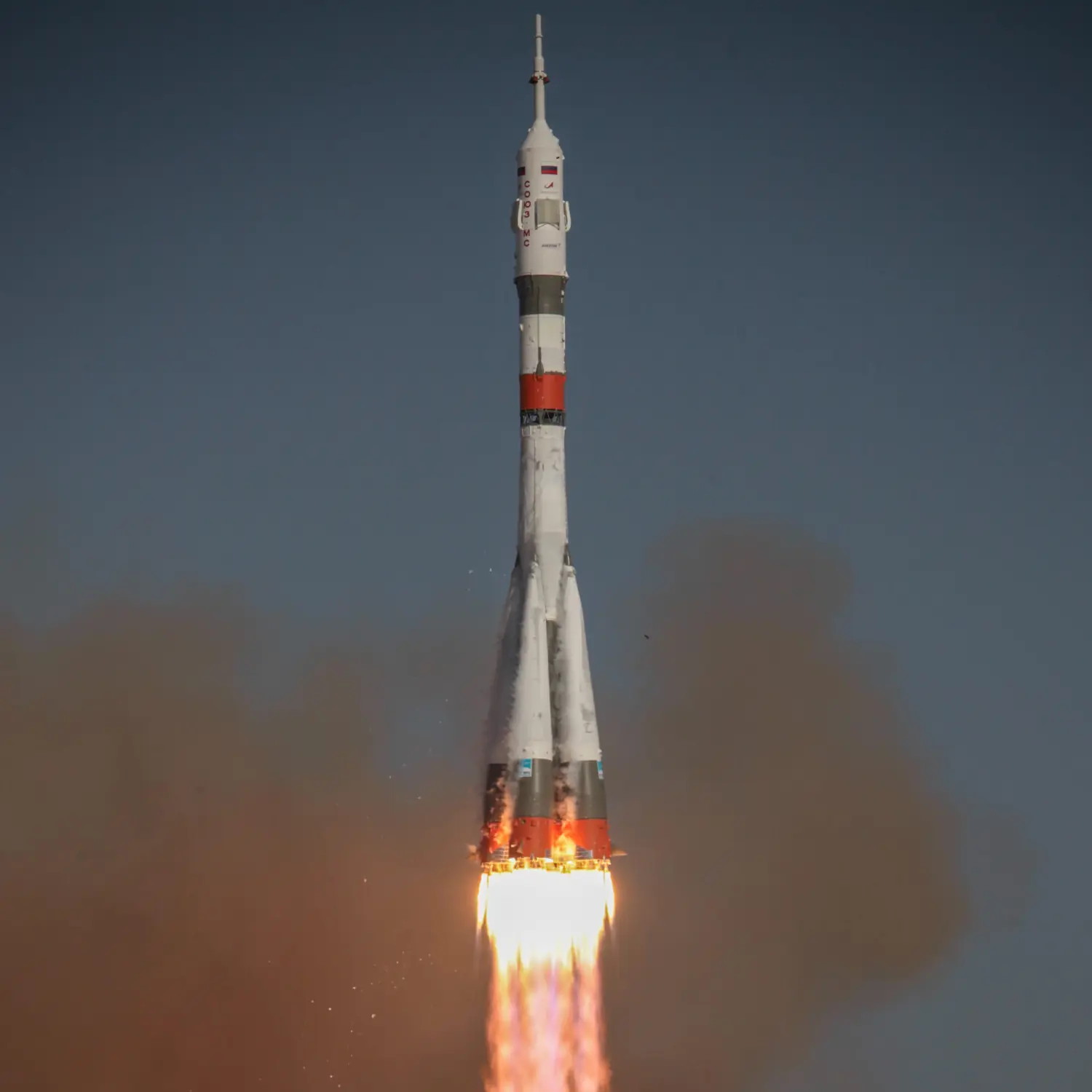
The evacuation occurred during a scheduled maintenance window when station operators detected anomalous pressure readings in one of the module’s habitable compartments. According to sources familiar with the situation, the crew was instructed to move to the Soyuz spacecraft, which serves as a lifeboat in emergencies. This action was taken as a precautionary measure to ensure their safety while engineers on the ground and aboard the station worked to identify and resolve the issue.
The exact nature of the leak remains under investigation. While no immediate danger was reported, the protocol for such scenarios is to prioritize crew safety. The incident underscores the delicate balance between operational efficiency and risk management in space missions.
Timeline of Key Events
- Initial Detection: Anomalous pressure readings in the Russian segment of the ISS triggered an automated alert.
- Crew Evacuation: All six crew members relocated to the Soyuz MS-23 capsule within 30 minutes of the alert.
- Diagnostic Procedures: Ground teams and astronauts conducted a series of checks to locate the source of the pressure irregularity.
- Resolution: After several hours of troubleshooting, the issue was contained, and the crew returned to their primary living quarters.
Who’s Involved?
The ISS is a collaborative effort involving multiple space agencies, including NASA, Roscosmos, the European Space Agency (ESA), the Japan Aerospace Exploration Agency (JAXA), and the Canadian Space Agency (CSA). The crew consists of astronauts from these partner organizations, each bringing specialized expertise to the mission.
In this case, the incident involved the Russian segment of the station, which is primarily managed by Roscosmos. However, the response to the situation was a joint effort, reflecting the international nature of the ISS. The Soyuz spacecraft, operated by Russia, is a critical component of the station’s emergency protocols, as it provides a means of rapid return to Earth in case of a major failure.
Why This Matters
The ISS operates in a vacuum, with even minor breaches in the hull posing significant risks. While leaks are rare, their potential consequences are severe. The incident serves as a reminder of the technical challenges of maintaining a habitable environment in space, where even little issues can escalate quickly.
Experts note that the frequency of such events is low, but the stakes are high. “Every system on the ISS is designed with redundancy in mind,” said Dr. Sarah Mitchell, a space systems engineer at the Massachusetts Institute of Technology. “However, the complexity of the station means that any single point of failure can have cascading effects.”
Historical Context
While this is not the first time the ISS has faced technical difficulties, the response to this incident has been notable for its speed, and coordination. In 2018, a small hole was discovered in the Soyuz MS-09 capsule, leading to a minor air leak. The crew patched the hole, and the situation was resolved without injury. The 2023 incident, however, involved a different segment of the station and required a more extensive investigation.
Expert Perspectives
Spaceflight analysts have weighed in on the implications of the event. “This incident highlights the importance of continuous monitoring and rapid response capabilities,” said Dr. James Carter, a senior researcher at the European Space Agency. “It also underscores the need for ongoing investment in spacecraft maintenance technologies.”
Some experts have raised questions about the long-term sustainability of the ISS. With the station nearing the end of its operational lifespan, concerns about aging infrastructure are becoming more pressing. “As we look toward future missions to the Moon and Mars, the lessons learned from the ISS will be critical,” said Dr. Emily Zhang, a space policy analyst at the University of Colorado Boulder.
Implications for Future Missions
The incident has sparked discussions about the design of future spacecraft. As private companies like SpaceX and Blue Origin develop their own space stations and habitats, the protocols for handling emergencies will need to be adapted. “The ISS has been a remarkable platform for international cooperation, but it’s also a testbed for the technologies we’ll need for deep space exploration,” said Dr. Mitchell.
One key area of focus is the development of autonomous systems that can detect and respond to leaks without human intervention. “The next generation of spacecraft will need to be more self-sufficient,” said Dr. Carter. “This includes advanced sensors, AI-driven diagnostics, and more robust materials.”
Frequently Asked Questions
What caused the leak?
The exact cause is still under investigation, but initial reports suggest it may be related to a minor fault in the station’s life support systems. Engineers are analyzing data from sensors to pinpoint the source.

How long was the crew in the safe haven?
The crew remained in the Soyuz spacecraft for approximately four hours while the issue was being addressed. They were then cleared to return to the main station after safety checks confirmed the situation was under control.
Is this a common occurrence on the ISS?
While minor technical issues are not uncommon, significant leaks are extremely rare. The ISS is equipped with multiple layers of protection, including redundant life support systems and regular inspections.
