
Donaldson Trial: Complainant Reveals Fear of Reputation Damage in Alleged Abuse Case
In a high-profile legal proceeding unfolding in Northern Ireland, the trial of former Democratic Unionist Party (DUP) leader Sir Jeffrey Donaldson has brought to light harrowing accounts of alleged childhood sexual abuse. Central to the case is the testimony of a woman who claims she refrained from reporting the abuse due to fears of damaging the accused’s public image, a revelation that has sparked broader conversations about power dynamics and institutional accountability.
The Case Against a Political Figure
Sir Jeffrey Donaldson, once the leader of the DUP, faces 18 charges of sexual abuse, including rape and indecent assault, allegedly committed between 1985 and 1991. The trial, set in Newry Crown Court, has drawn significant attention not only for the gravity of the accusations but also for the political stature of the defendant. Donaldson, who resigned as DUP leader in 2024 amid the allegations, has consistently denied all charges.
The complainant, identified as Complainant B in court documents, is one of two women alleging abuse by Donaldson during their childhood. Her testimony, which included detailed recollections of the alleged incidents, painted a disturbing picture of repeated misconduct. She described being subjected to physical and sexual abuse, with the accused allegedly using his position of authority to silence her.
Why the Complainant Stayed Silent
A key element of the trial has been the complainant’s account of why she did not report the abuse at the time. She testified that she feared the repercussions of speaking out, particularly the potential damage to Donaldson’s reputation. “I thought it would destroy his reputation,” she said, adding that this concern outweighed her own trauma. “I didn’t want to be the one to bring it down.”
This admission has shed light on the complex psychological and social pressures faced by survivors, especially when the perpetrator holds a position of influence. Legal experts note that such fears are not uncommon in cases involving powerful individuals, where the victim may feel their credibility is secondary to the accused’s public image.
The Role of Institutional Power
Donaldson’s political career, which spanned decades, adds layers of complexity to the case. As a prominent figure in Northern Irish politics, his actions were not only personal but also carried institutional weight. The complainant’s testimony suggests that this power dynamic may have played a role in her decision to remain silent, as she described feeling “intimidated” by his status.
During the trial, the court heard that Donaldson’s alleged conduct included inappropriate physical contact and coercive behavior. The complainant recounted a specific incident where she described being “pulled apart” by the accused, a moment she later linked to a broader pattern of abuse. “I felt something different that day,” she said. “It was something I’d never felt before, and it terrified me.”
Reactions and Broader Implications
The trial has prompted discussions about the broader implications of power imbalances in abuse cases. Advocacy groups have highlighted the need for systemic changes to protect survivors and ensure that institutional power does not shield perpetrators. “When someone in a position of authority commits abuse, it creates a culture of silence,” said a spokesperson for a local survivors’ organization. “This case underscores the urgent need to address those dynamics.”
The legal proceedings also raise questions about the role of the DUP and other political entities in handling such allegations. While the party has not commented directly on the case, the trial has intensified scrutiny of its leadership and internal practices. Critics argue that the incident reflects a pattern of prioritizing political interests over the welfare of individuals.
Context and Background
To understand the gravity of the allegations, It’s essential to consider the timeline of events. Donaldson’s tenure as DUP leader coincided with significant political developments in Northern Ireland, including the aftermath of the Good Friday Agreement and ongoing debates over the Northern Ireland Protocol. His resignation in 2024 marked a turning point, as the party grappled with the fallout from the charges.
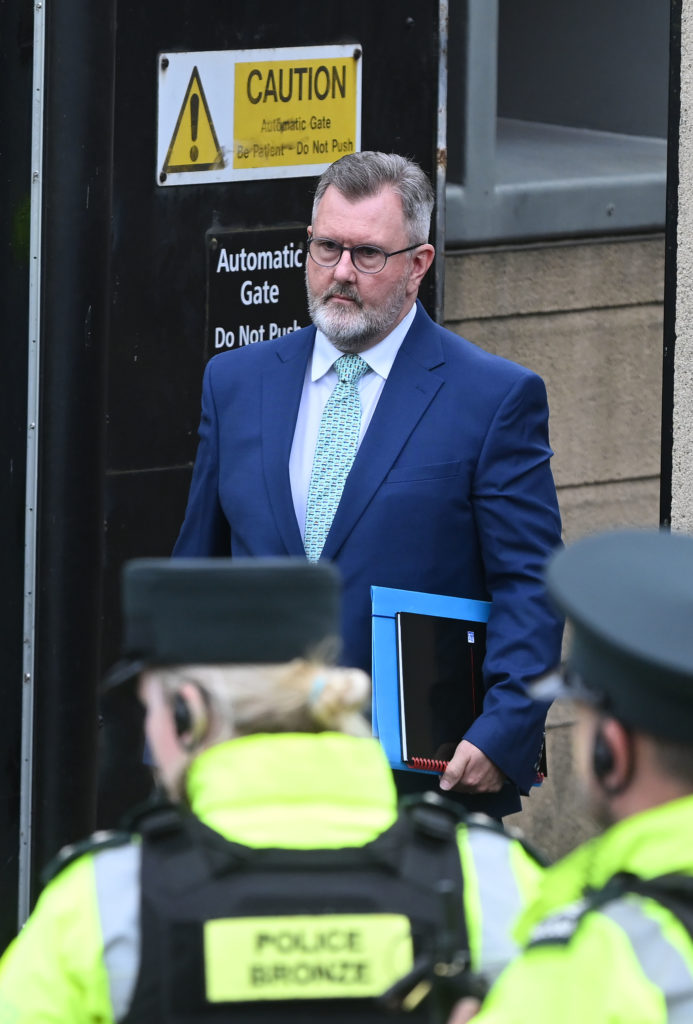
The trial’s scheduling has also been influenced by legal and procedural factors. Originally set for 2025, the case was delayed due to the complexities of gathering evidence and preparing witnesses. The current trial date, set for May 2026, reflects the court’s commitment to ensuring a thorough examination of the evidence.
Key Points to Consider
- The complainant’s testimony highlights the psychological barriers survivors face when confronting powerful individuals.
- The case has reignited debates about institutional accountability and the need for systemic reforms.
- Donaldson’s political legacy is being scrutinized alongside the legal proceedings, with implications for the DUP’s future.
What Comes Next?
As the trial progresses, the court will evaluate the evidence presented by both the prosecution and the defense. Donaldson’s legal team has argued that the allegations are unfounded, emphasizing his long-standing political record and personal character. However, the complainant’s testimony, coupled with other evidence, is expected to play a critical role in the outcome.
The case also has broader implications for how similar allegations are handled in the future. Legal analysts suggest that the trial could set a precedent for addressing abuse by public figures, potentially influencing policy and legal frameworks. “This case is a test of how our justice system handles power and vulnerability,” said a legal expert. “It could shape how similar cases are approached in the years to come.”
FAQ
What are the charges against Sir Jeffrey Donaldson?
Sir Jeffrey Donaldson faces 18 charges of sexual abuse, including rape and indecent assault, allegedly committed between 198
