
The U.S. Stock market experienced a sharp downturn on Thursday, with the Nasdaq Composite falling more than 1 percent amid mixed reactions to stronger-than-expected job market data. Simultaneously, the Norwegian krone faced a notable depreciation against the U.S. Dollar, reflecting broader uncertainties in global financial markets.
The Nasdaq’s decline came despite a surge in U.S. Job creation figures, which had initially bolstered investor optimism. The Federal Reserve’s potential policy adjustments in response to labor market dynamics appeared to weigh heavily on risk assets, with technology and growth-oriented stocks bearing the brunt of the sell-off. Analysts noted that the market’s reaction underscored lingering concerns about inflationary pressures and the pace of economic cooling.
Meanwhile, the Norwegian krone weakened significantly against the dollar, a development that could impact trade flows and import costs in the Scandinavian region. Currency analysts attributed the decline to a combination of global capital repositioning and domestic economic indicators, though specific details remained limited in the available reports.
The interplay between equity markets and currency movements highlights the complex challenges facing investors in a period of heightened macroeconomic volatility. As policymakers and market participants monitor incoming data, the focus remains on how these dynamics will shape financial conditions in the coming months.
Key Points
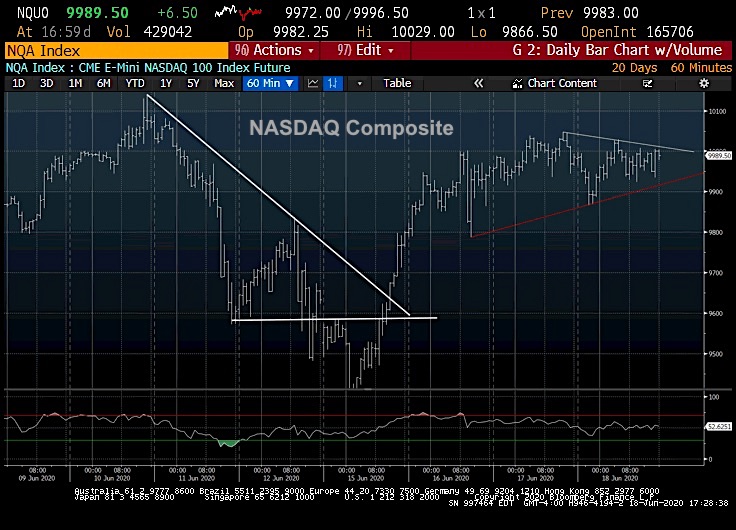
- Nasdaq Composite dropped over 1 percent amid mixed investor sentiment.
- U.S. Job market data showed stronger-than-expected growth, yet failed to stabilize equity markets.
- Norwegian krone experienced a significant decline against the U.S. Dollar.
- Market reactions reflect ongoing concerns about inflation and monetary policy trajectories.
