
Kylie Jenner Drops Meta Glasses With ‘Rise and Shine’ Greeting – hypebae.com: Meta Shifts to Affordable AI Wearables
Kylie Jenner recently showcased Meta’s AI-powered smart glasses featuring a personalized “Rise and Shine” greeting, coinciding with Meta’s launch of a more affordable range of smart glasses starting at $299. According to reports from Bloomberg and CNBC, the company is aggressively pushing wearables as a primary interface for artificial intelligence, leveraging a strategic partnership with EssilorLuxottica to blend high-fashion eyewear with AI functionality.
How Kylie Jenner is Promoting Meta’s New AI Integration
The intersection of celebrity influence and wearable technology took a concrete step forward when Kylie Jenner featured Meta’s smart glasses in a public demonstration. As reported by Hypebae, the focus of the showcase was a specific “Rise and Shine” greeting, highlighting the device’s ability to integrate AI-driven voice interactions into a user’s morning routine. This specific interaction demonstrates Meta’s goal of moving AI from a chatbot interface on a screen to a proactive, voice-first companion integrated into daily life.
By using a high-profile figure like Jenner, Meta is targeting a demographic that prioritizes aesthetics and lifestyle integration over raw technical specifications. The “Rise and Shine” feature is not merely a greeting but a signal of the glasses’ capability to handle personalized prompts and time-based triggers, positioning the hardware as a lifestyle accessory rather than a niche gadget for tech enthusiasts.
Key elements of this celebrity-led promotion include:
- Lifestyle Integration: Showing the glasses in a domestic, “wake up” context.
- Voice-First UX: Emphasizing the auditory interaction over visual displays.
- Trend Validation: Using Jenner’s platform to normalize the wearing of cameras and microphones on the face.
The $299 Price Point: Meta’s Strategy for Mass Adoption
While celebrity endorsements drive desire, pricing drives adoption. According to Bloomberg and CNBC, Meta has debuted a new range of smart glasses with a starting price of $299. This represents a significant strategic shift toward the mass market, making AI wearables accessible to a much wider audience than previous high-end augmented reality (AR) attempts.
Mark Zuckerberg has consistently pushed for wearables to eventually supplement or replace the smartphone. A $299 entry point lowers the barrier to entry, encouraging users to experiment with AI-integrated eyewear without the financial commitment required for high-end VR headsets or specialized enterprise hardware. This pricing strategy suggests that Meta views these glasses as a “gateway” device for its broader AI ecosystem.
The pricing structure creates a clear hierarchy in Meta’s hardware portfolio:
| Device Category | Estimated Starting Price | Primary Target Audience | Core Function |
|---|---|---|---|
| Entry-Level AI Glasses | $299 | General Consumers / Fashion-forward | AI Assistance & Content Capture |
| Mid-Tier Wearables | Varies by Frame | Tech Early Adopters | Enhanced AI & Integration |
| High-End VR/MR (Quest) | $499+ | Gamers / Professionals | Immersive Virtual Environments |
The EssilorLuxottica Partnership: Why Fashion Matters for Tech
Meta is not attempting to build a fashion house from scratch. Instead, as stated in the Meta Store official communications, the company has partnered with EssilorLuxottica. This partnership is critical because EssilorLuxottica owns some of the world’s most recognized eyewear brands, including Ray-Ban and Oakley.
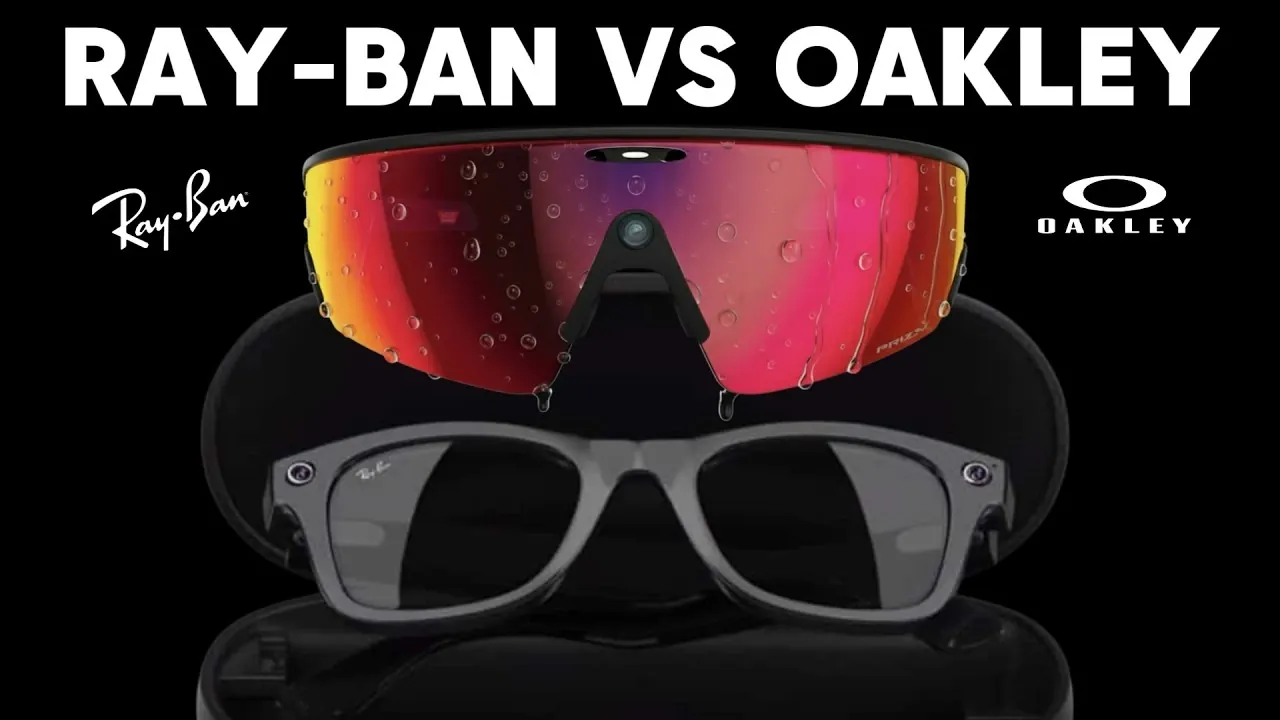
The primary challenge for smart glasses has historically been the “social friction” of wearing bulky, unattractive tech on the face. By integrating Meta’s AI and camera hardware into existing, popular frame styles, the company solves the aesthetic problem. The partnership allows Meta to leverage EssilorLuxottica’s global distribution network and manufacturing expertise in prescription lenses and frame design.
This collaboration ensures that the AI glasses are not just functional but are viewed as legitimate fashion accessories. This is why a “drop” involving Kylie Jenner is more effective than a traditional technical keynote; the product is being marketed as a piece of clothing or jewelry, not a computer.
Zuckerberg’s Vision for the Future of Wearables
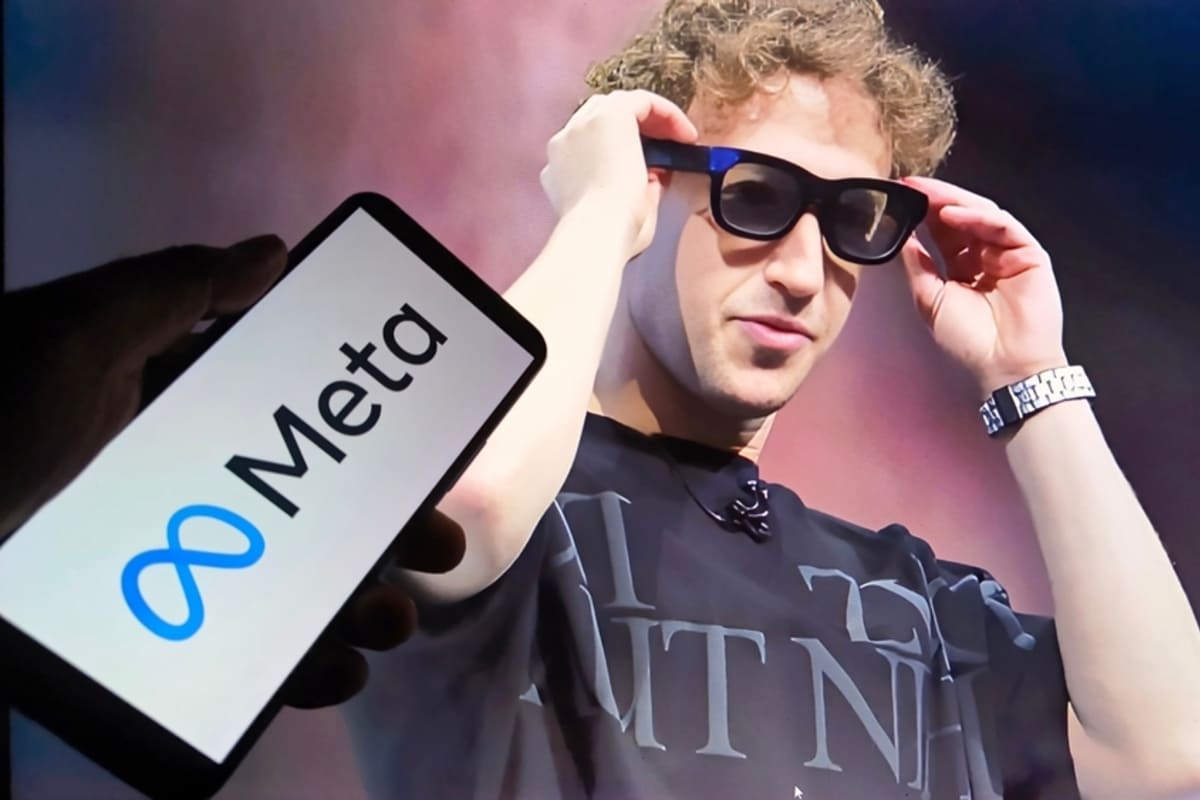
The push for these glasses is part of a larger roadmap described by Mark Zuckerberg in reports from CNBC. The goal is to create a seamless loop between the user, the AI, and the physical world. Unlike a smartphone, which requires the user to look down and disconnect from their surroundings, AI glasses allow for “heads-up” interaction.
The integration of Meta AI into these frames allows users to ask questions about what they are seeing in real-time, send messages via voice, and capture photos or videos without holding a device. According to CNBC, Zuckerberg views this as the next evolution of computing—moving away from the handheld screen toward an ambient intelligence that exists in the user’s field of vision and hearing.
“Zuckerberg keeps pushing wearables,” as noted by CNBC, signaling that Meta’s long-term bet is on the transition from social media apps to social hardware.
Comparing the ‘Celebrity Drop’ vs. Traditional Tech Launches
The way Meta is introducing these glasses differs sharply from the launch of previous hardware, such as the Quest headsets. While the Quest was launched with a focus on “specs,” “resolution,” and “latency,” the AI glasses are being launched via “drops” and lifestyle showcases.
This shift in framing is intentional. When Kylie Jenner showcases a “Rise and Shine” greeting, she is selling an experience and a vibe, not a processor speed. This approach mirrors how luxury brands launch new collections, treating technology as a trend rather than a tool. This is a calculated move to avoid the “uncanny valley” of wearable tech and instead position the glasses as a “must-have” accessory for the digital age.
Potential Implications for Privacy and Social Norms
The mass adoption of $299 AI glasses, accelerated by celebrity endorsement, brings renewed scrutiny to privacy. The ability to capture content and interact with AI invisibly means that the social contract regarding recording in public spaces is once again under pressure. While Meta has implemented indicators to show when recording is active, the “invisible” nature of the hardware—thanks to the EssilorLuxottica designs—makes the technology less obvious to bystanders.
Common Misconceptions About Meta AI Glasses
There are several frequent misunderstandings regarding the current state of Meta’s wearable technology that need clarification based on the available data:
- Misconception: These are full AR glasses.
Contrary to popular belief, the $299 range focuses heavily on AI and audio/camera integration. They are not “augmented reality” glasses in the sense of projecting complex 3D holograms into the user’s vision; they are “AI glasses” that prioritize voice and capture. - Misconception: They are only for influencers.
While Kylie Jenner’s promotion targets the influencer crowd, the $299 price point is specifically designed to appeal to the average consumer who wants a hands-free assistant. - Misconception: They replace the smartphone.
Currently, these glasses act as a companion device. They require a connection to a smartphone for most of their heavy lifting, though the goal is to increase their independence over time.
What to Watch for in the Next Hardware Cycle
As Meta continues to iterate on this hardware, industry analysts expect a tighter integration between the AI’s ability to “see” and its ability to “act.” The “Rise and Shine” greeting is a simple voice interaction, but future versions may involve the glasses recognizing objects in the room and providing proactive suggestions without being prompted.
Furthermore, the success of the $299 price point will likely dictate whether Meta introduces even cheaper “lite” versions or moves toward a subscription model for the AI features embedded in the glasses.
Frequently Asked Questions
What is the “Rise and Shine” greeting in Meta glasses?
The “Rise and Shine” greeting is a personalized AI interaction showcased by Kylie Jenner. It demonstrates the glasses’ ability to use Meta AI to greet the user and potentially start their day with personalized information, moving the AI interface from a screen to a voice-based wearable experience.
How much do the new Meta AI smart glasses cost?
According to Bloomberg and CNBC, Meta has introduced a range of smart glasses that start at a price of $299, making them significantly more affordable than previous high-end wearable attempts.

Who is EssilorLuxottica and why are they involved?
EssilorLuxottica is a global leader in eyewear and the parent company of brands like Ray-Ban and Oakley. Meta partnered with them to ensure the smart glasses have a fashionable, socially acceptable design, solving the “bulkiness” problem that plagued earlier smart glasses.
Do these glasses replace my phone?
No. While Mark Zuckerberg envisions a future where wearables supplement or replace phones, the current $299 AI glasses function as companion devices that integrate with your existing smartphone ecosystem.
Are these glasses different from the Meta Quest headsets?
Yes. The Quest series consists of VR/MR headsets designed for immersive virtual environments. The AI glasses are lightweight, everyday eyewear designed for augmented intelligence, voice assistance, and content capture in the real world.
For those interested in how these devices fit into the broader ecosystem of wearable tech, a related explainer on AI hardware trends provides more context on the industry shift toward ambient computing.
