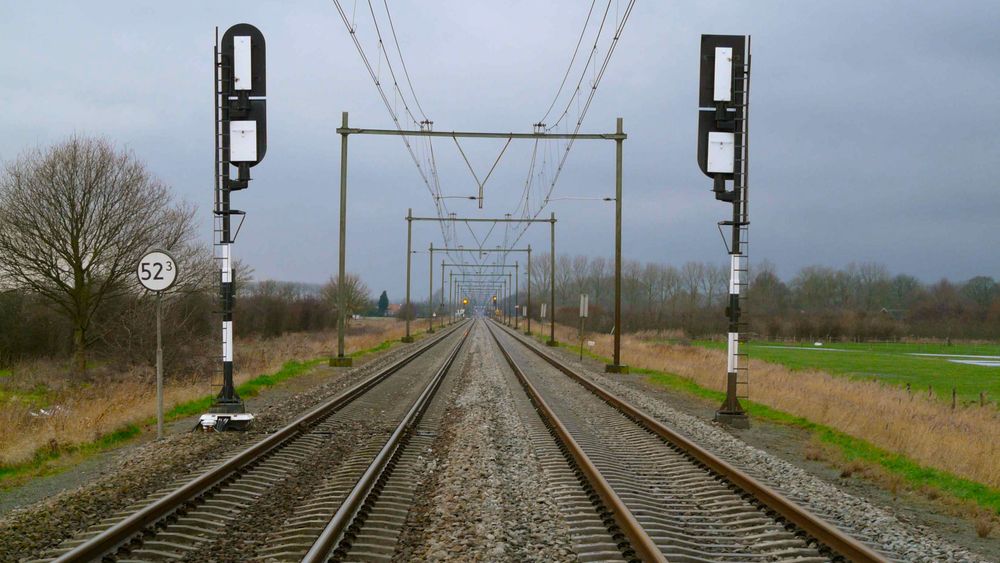
NS has reduced train frequency on several routes and completely halted traffic between Zutphen, Hengelo, and Oldenzaal following extreme heat, according to reports from NRC and Tubantia. The national rail operator is implementing these measures to protect infrastructure and passenger safety as temperatures trigger weather warnings across the Netherlands.
- Service Halts: Traffic is stopped between Zutphen, Hengelo, and Oldenzaal.
- Operational Shifts: NS is running fewer trains on multiple trajectories starting Wednesday.
- Climate Warning: Gelderland is under a “Code Orange” heat warning.
- Mitigation: Increased water availability for passengers has been deployed.
Which rail routes are currently disrupted?
Train traffic between Zutphen, Hengelo, and Oldenzaal has been completely suspended due to the heat, according to Tubantia. Beyond these specific halts, NRC reports that NS began running a reduced schedule on multiple other trajectories starting Wednesday to prevent system overloads during the extreme weather event.

Why is the Dutch rail network vulnerable to heat?
The disruption highlights a systemic vulnerability in the Dutch rolling stock. According to a report from De Gelderlander, the network operates what are described as
the most sensitive trains in the world.
This sensitivity is particularly acute in the Gelderland region, where Omroep Gelderland reports that a Code Orange heat warning is currently in effect. The combination of high ambient temperatures and sensitive equipment increases the risk of mechanical failure and track warping, forcing the operator to prioritize safety over frequency.
What operational changes has NS implemented?
To manage the heatwave, NS has shifted its operational focus toward risk mitigation and passenger welfare. According to AD.nl, the company is employing a two-pronged strategy: reducing the number of trains on the tracks to lower the load on the infrastructure and providing more water to passengers to prevent heat-related illness.
These measures represent a reactive approach to climate-driven infrastructure stress, where the operator must balance the economic necessity of regional mobility against the physical limits of the current fleet.
