
Iran declares new Hormuz route ‘unacceptable and dangerous,’ warns against ships transiting without approval – CNBC
Iran has warned international shipping companies that a new transit route through the Strait of Hormuz is “unacceptable and dangerous,” according to CNBC. The Iranian government stated that vessels transiting the waterway without official approval face risks, while the U.S. maintains the route remains open to international traffic.
Why is Iran calling the new Hormuz route ‘unacceptable and dangerous’?
Iran’s recent declaration serves as a direct challenge to the operational status of the Strait of Hormuz. According to CNBC, Iranian officials have characterized the current transit arrangements as “unacceptable and dangerous,” specifically warning that ships attempting to move through the route without explicit approval from Tehran are doing so at their own peril. This warning comes amid a volatile security environment where Iran frequently asserts its right to police the waters surrounding its coast.
The core of the dispute lies in the definition of “approval.” While international maritime law generally protects the right of transit passage through straits used for international navigation, Iran has historically argued that these rights are conditional upon the security interests of the coastal state. By labeling the route “dangerous,” Iran creates a legal and psychological deterrent for commercial shipping companies and their insurers.
Key points regarding Iran’s position include:
- Demand for Approval: Iran insists that ships must seek and receive permission before transiting specific sectors of the Strait.
- Security Justification: The “dangerous” label is framed as a warning to protect ships from perceived threats, though critics view it as a tool for political leverage.
- Sovereignty Claims: Tehran continues to assert a higher degree of control over the narrow waterways than is recognized by the U.S. and its allies.
How is the reopening of the Strait of Hormuz affecting global oil markets?
Despite the warnings from Tehran, the physical movement of oil has increased, leading to a surge in available supply. Bloomberg reports that the reopening of the Strait of Hormuz is “quickly flooding oil markets with supply,” which has the potential to put downward pressure on global crude prices. This influx is the result of tankers that were previously delayed or deterred by regional tensions finally completing their voyages.
The Globe and Mail notes that stranded oil tankers are now “trickling through” the Strait, further contributing to the global supply. These vessels, some of which had been idling in the Gulf of Oman or other safe harbors, are now delivering cargoes that were previously trapped. This shift from a state of scarcity or “stranded” supply to a state of flooding creates significant volatility for traders who had priced in a potential blockade.
The economic impact is twofold:
- Immediate Supply Increase: As tankers move, the immediate availability of crude oil increases, reducing the “risk premium” that typically spikes prices during Hormuz tensions.
- Logistical Normalization: The movement of these ships suggests that, despite the rhetoric, the commercial necessity of oil transport is currently outweighing the perceived risks of Iranian warnings.
For a deeper dive into how these shifts affect energy pricing, see our related explainer on global energy market volatility.
What was the US-Iran deal that triggered the increase in ship traffic?
The sudden shift in shipping patterns follows a diplomatic breakthrough. According to the BBC, dozens of ships have begun heading through the Strait of Hormuz following a deal between the U.S. and Iran. While the specific granular details of the deal are often subject to diplomatic discretion, the primary outcome has been a temporary reduction in hostilities that allowed commercial traffic to resume.

This deal acted as a signal to shipping conglomerates and insurance underwriters that the risk of seizure or attack had decreased sufficiently to justify transit. The BBC’s reporting highlights that the volume of ships is not just a trickle but involves “dozens” of vessels, indicating a coordinated effort to clear the backlog of stranded tankers mentioned by The Globe and Mail.
The timeline of this transition is critical:
| Phase | Status of Strait | Market Impact |
|---|---|---|
| Pre-Deal | Precarious/Stranded Tankers | High Risk Premium; Supply Constraints |
| Deal Implementation | Gradual Reopening | Increased Traffic; Volume Recovery |
| Current State | Active Transit / Iranian Warnings | Market Flooding; Price Volatility |
Why does the US-Iran disagreement over the Strait create a precarious situation?
The fundamental conflict is a clash of narratives. CBC reports that the situation remains precarious because the two superpowers hold diametrically opposed views on the status of the waterway: the U.S. says it is open, while Iran says it is closed.
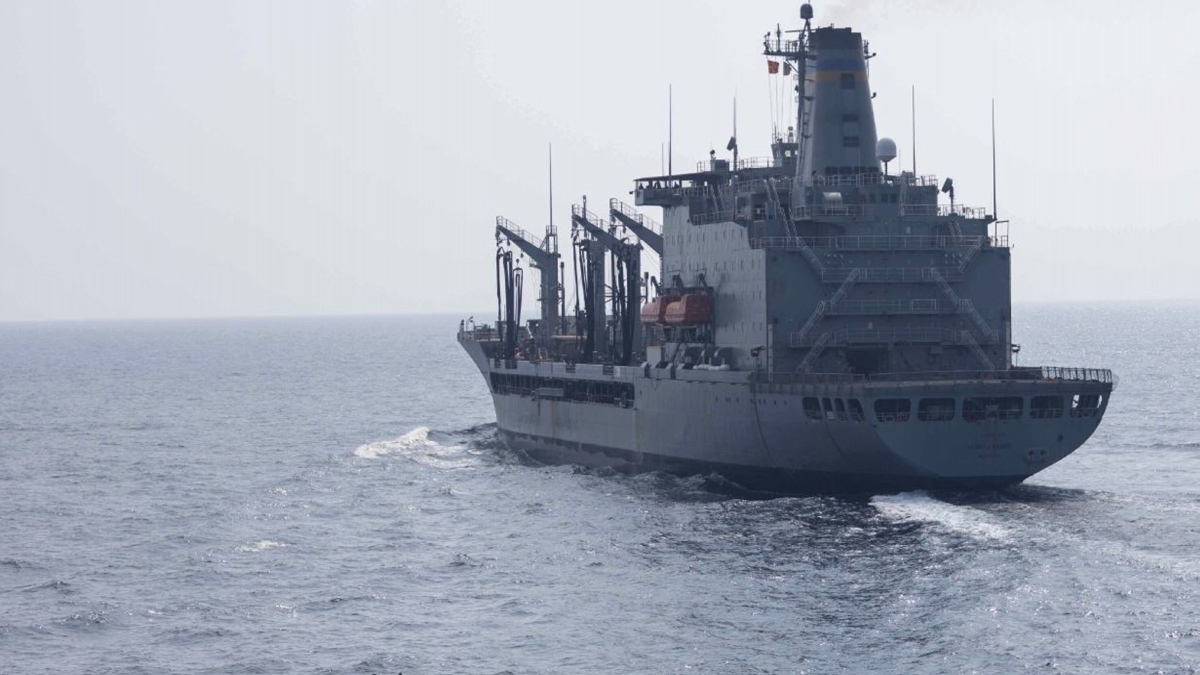
This “open vs. closed” dichotomy is not merely semantic; it has real-world implications for the safety of crews and the cost of shipping. When the U.S. declares the Strait open, it is often backing that claim with the presence of the U.S. Navy’s Fifth Fleet, which conducts freedom of navigation operations to ensure the flow of commerce. When Iran declares it “closed” or “dangerous,” it is signaling that it may use its Revolutionary Guard Corps (IRGC) to intercept or harass vessels.
This creates a “grey zone” of risk where:
- Shipping Companies must decide whether to trust U.S. security guarantees or Iranian warnings.
- Insurance Firms may raise premiums based on Iran’s “dangerous” designation, even if the U.S. Navy is present.
- Global Energy Security remains dependent on a fragile diplomatic truce that could collapse if either side perceives a breach of the deal.
The Strategic Importance of the Strait of Hormuz
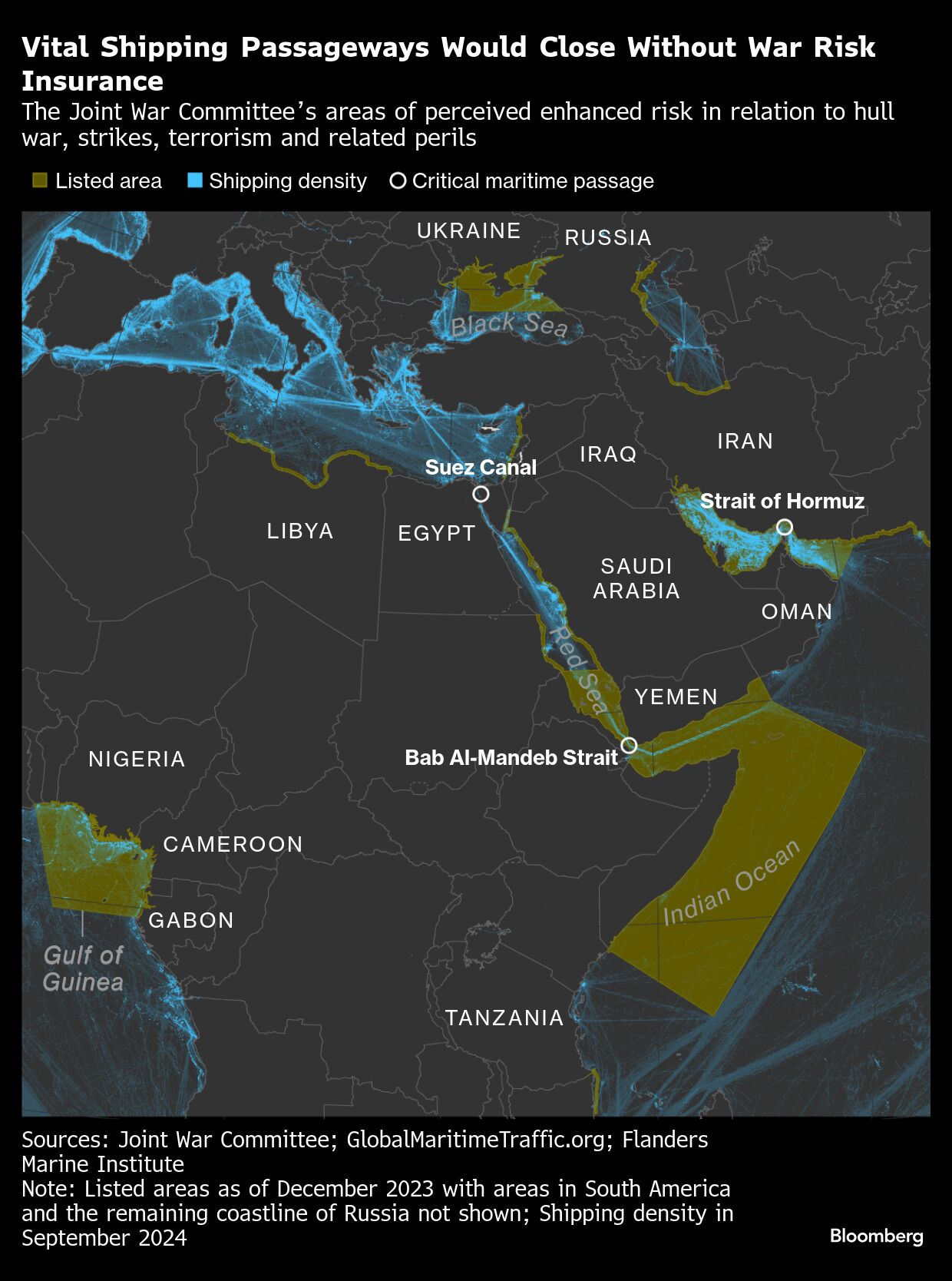
To understand why a warning from Iran is treated as a global economic event, one must look at the geography and economics of the Strait. The Strait of Hormuz is the only sea passage from the Persian Gulf to the open ocean. It is the world’s most important oil chokepoint.
A significant portion of the world’s total oil consumption passes through this narrow corridor. Because there are very few viable pipeline alternatives that can handle the same volume of crude, any disruption—whether a total blockade or a series of “dangerous” warnings—immediately impacts the global economy. The “flooding” of markets reported by Bloomberg is a direct result of this bottleneck being released.
The precarious nature of the Strait is exacerbated by its narrowness. In some areas, the shipping lanes are only a few miles wide, making it easy for coastal batteries or fast-attack boats to monitor and intercept traffic. This is why Iran’s demand for “approval” is a strategic attempt to control the flow of the world’s energy.
Comparing the Reporting: How Different Outlets Frame the Crisis
The reporting on this event varies significantly depending on the outlet’s focus, revealing the different layers of the crisis. By comparing the sources, a more complete picture emerges.
CNBC focuses on the political warning, highlighting the specific language (“unacceptable and dangerous”) used by Iran to signal its discontent. This is a story of diplomatic friction and threats. In contrast, Bloomberg views the event through an economic lens, focusing on the “flooding” of markets. For Bloomberg, the primary story is not the warning, but the resulting supply shock to oil prices.
The Globe and Mail and the BBC provide the operational context. The Globe and Mail’s focus on “stranded tankers” explains the mechanical reason why supply is suddenly surging—it was a backlog issue. The BBC provides the catalyst, attributing the movement to a specific US-Iran deal. Finally, CBC frames the story as a geopolitical stalemate, emphasizing the contradiction between U.S. and Iranian claims of whether the route is “open” or “closed.”
This contrast shows that while the ships are moving (BBC/Globe and Mail), the political tension remains high (CNBC/CBC), and the economic result is a sudden surge in supply (Bloomberg).
Common Misconceptions About the Hormuz Transit Dispute
There are several common misunderstandings regarding how the Strait of Hormuz operates during these disputes. Many believe that “closing” the Strait is a simple binary switch. In reality, a total closure is nearly impossible without a full-scale war, as it would require Iran to block both the inbound and outbound lanes, potentially risking its own oil exports.
Another misconception is that the U.S. Navy can unilaterally “open” the Strait. While the U.S. can protect ships and escort tankers, the physical control of the coastline remains with Iran. The “open” status claimed by the U.S. is an assertion of international right, whereas the “closed” status claimed by Iran is an assertion of local power. The result is the “precarious” state described by CBC, where ships move but do so under a cloud of potential interference.
Finally, some assume that “approval” from Iran is a standard bureaucratic process. In the context of these warnings, “approval” is often used as a political tool to force ships to identify themselves or to pressure foreign governments into diplomatic concessions.
Frequently Asked Questions
Does Iran actually have the power to close the Strait of Hormuz?
While Iran can make the Strait extremely dangerous through the use of mines, fast-attack boats, and shore-based missiles, a total and permanent closure is difficult. Such an action would likely trigger a massive international military response and would cut off Iran’s own primary means of exporting oil, causing severe damage to its own economy.
Why would oil markets be “flooded” if Iran is warning ships away?
The “flooding” occurs because the volume of ships moving after the US-Iran deal exceeds the normal daily flow. Tankers that were stranded or idling during the height of the tension are now all transiting at once, creating a temporary surge in supply that outweighs the deterrent effect of Iran’s warnings.
What happens to a ship that transits without Iranian approval?
According to the warnings cited by CNBC, such ships are considered to be in a “dangerous” position. Historically, this has manifested as Iranian naval vessels shadowing tankers, issuing radio warnings, or, in extreme cases, seizing vessels under various legal pretexts.
How does the US-Iran deal affect the average consumer?
When the Strait is perceived as “open” and supply floods the market, the risk premium on oil drops. This can lead to lower crude prices, which may eventually translate to lower prices at the gas pump, depending on how refineries and retailers respond to the market shift.
What is the role of insurance in this conflict?
Shipping insurance is a critical factor. If a region is declared “dangerous” or a “war risk zone,” insurance premiums for tankers skyrocket. If ships ignore Iranian warnings but are protected by the U.S. Navy, insurers must decide if the U.S. presence is enough to mitigate the risk of Iranian interference.
The current state of the Strait of Hormuz remains a tug-of-war between diplomatic agreements and nationalistic assertions of control. While the movement of dozens of ships indicates a functional reopening, the rhetoric from Tehran suggests that the stability is fragile. Market analysts and geopolitical observers continue to monitor the balance between the U.S. Navy’s presence and Iran’s willingness to enforce its “approval” requirements.
For further reading on maritime security, check out our guide to international maritime law and transit rights.
